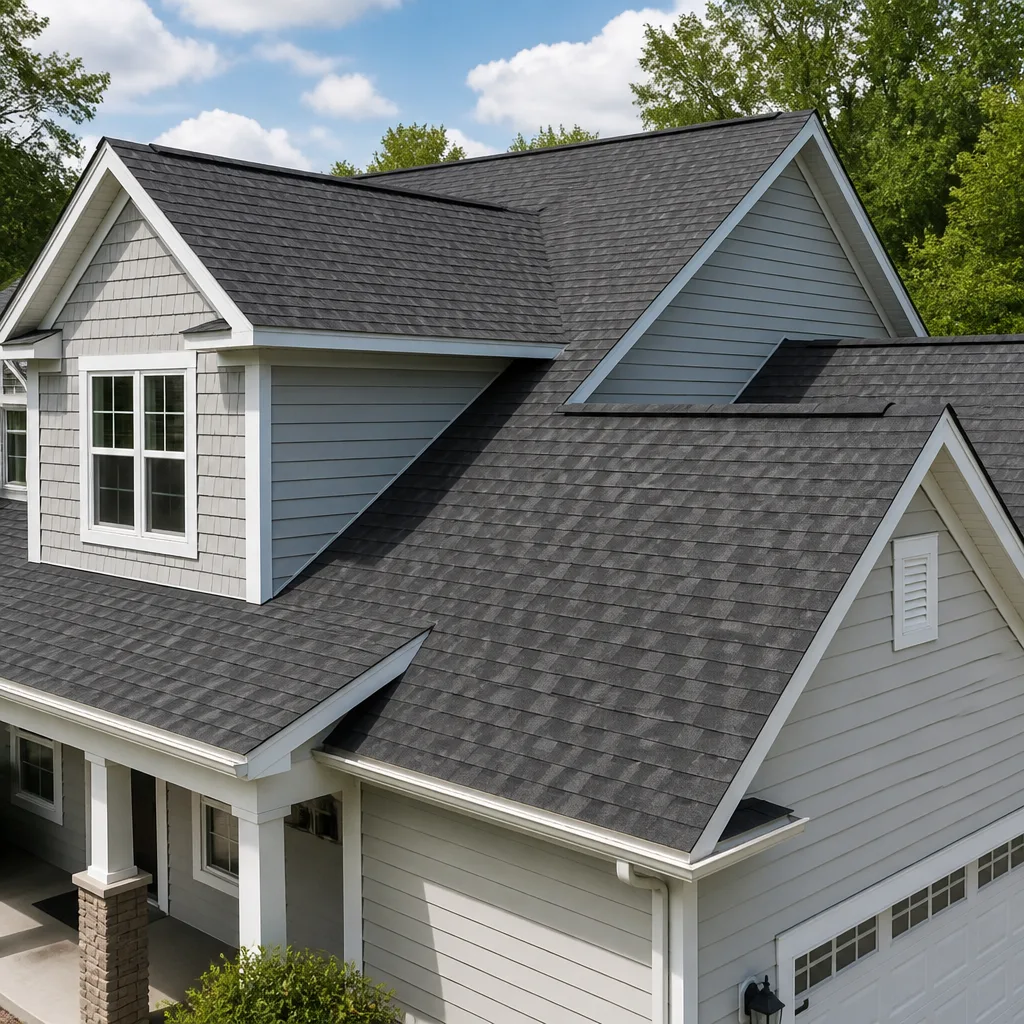
 Architectural shingles
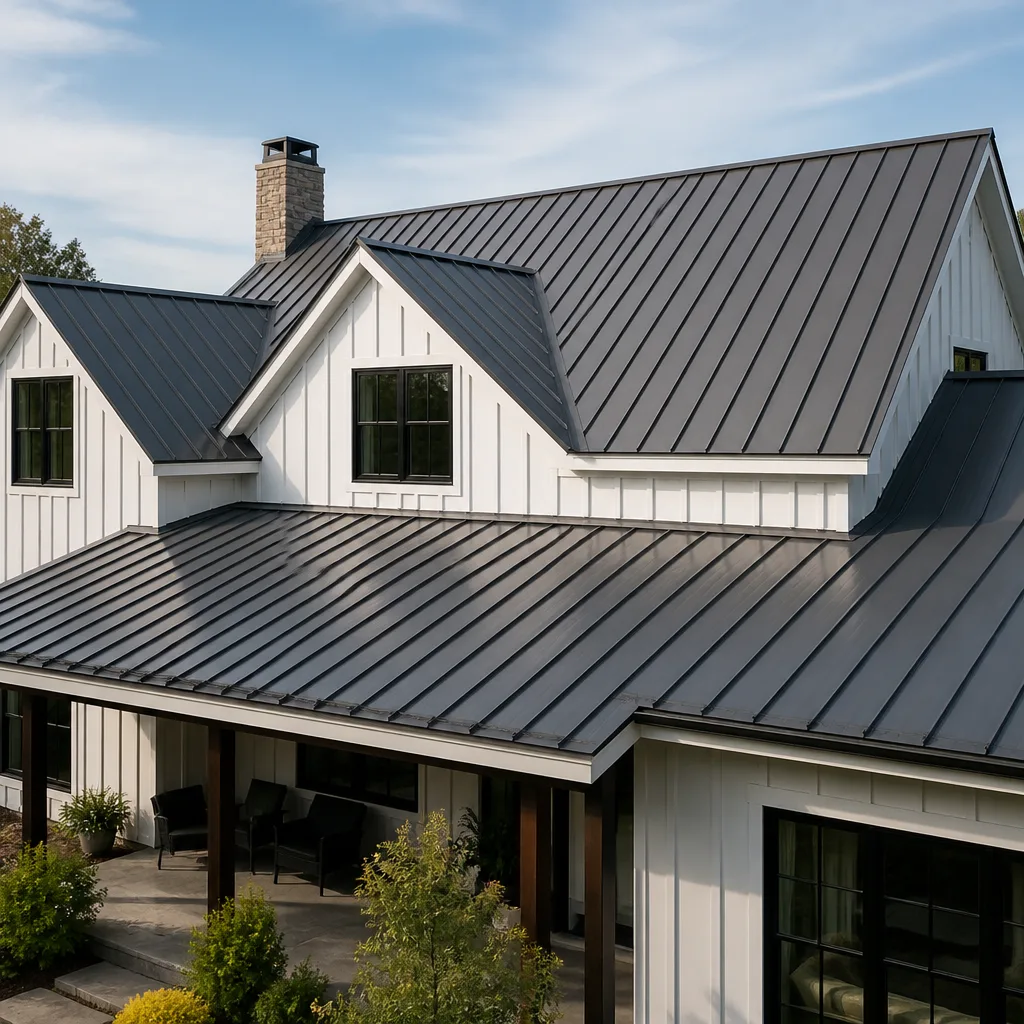 Metal roofing
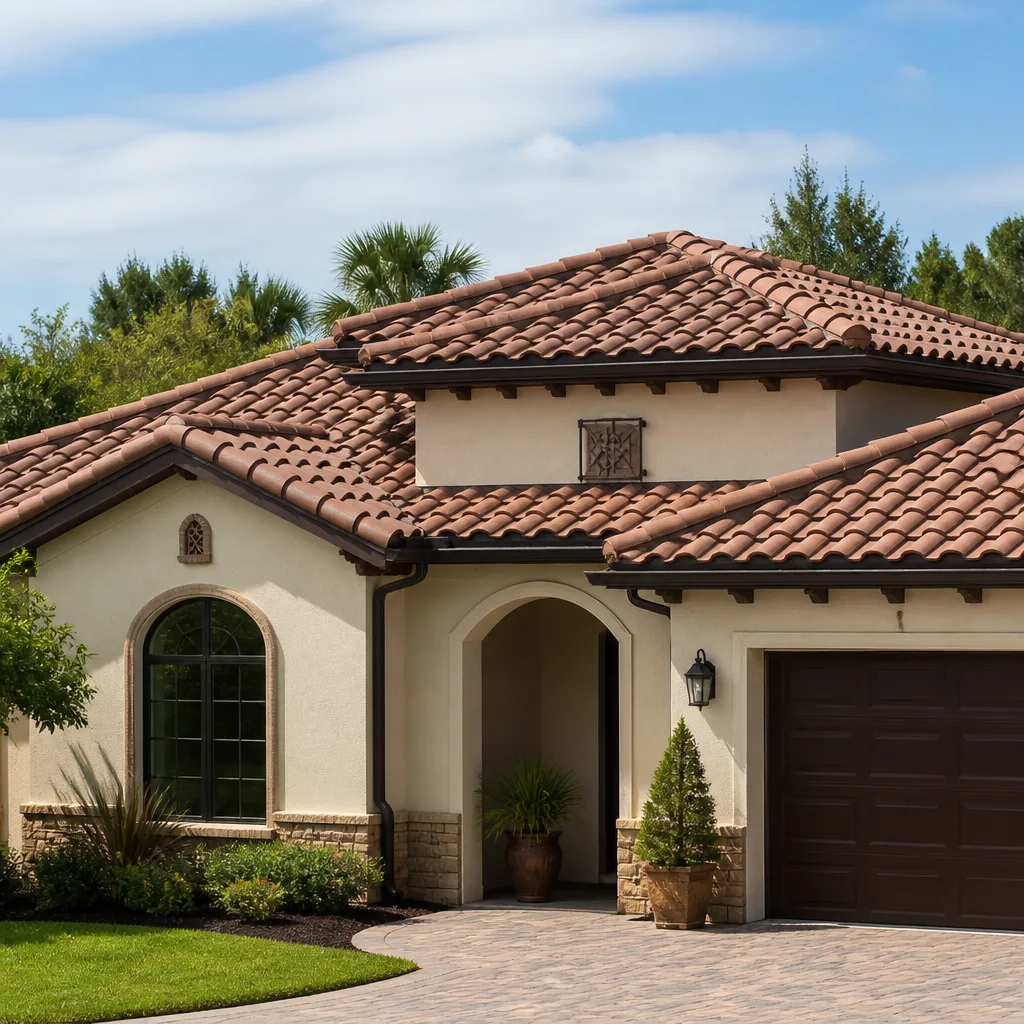 Tile roofing
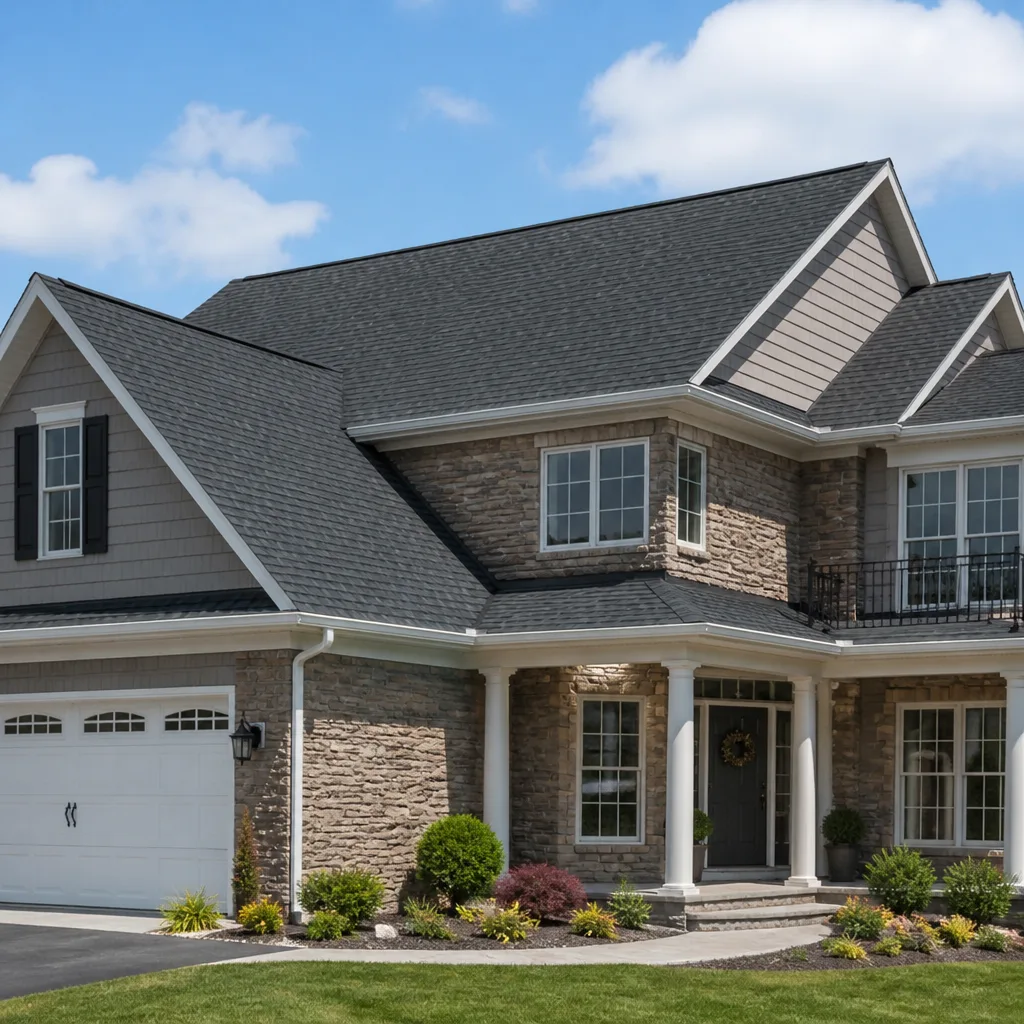 GAF
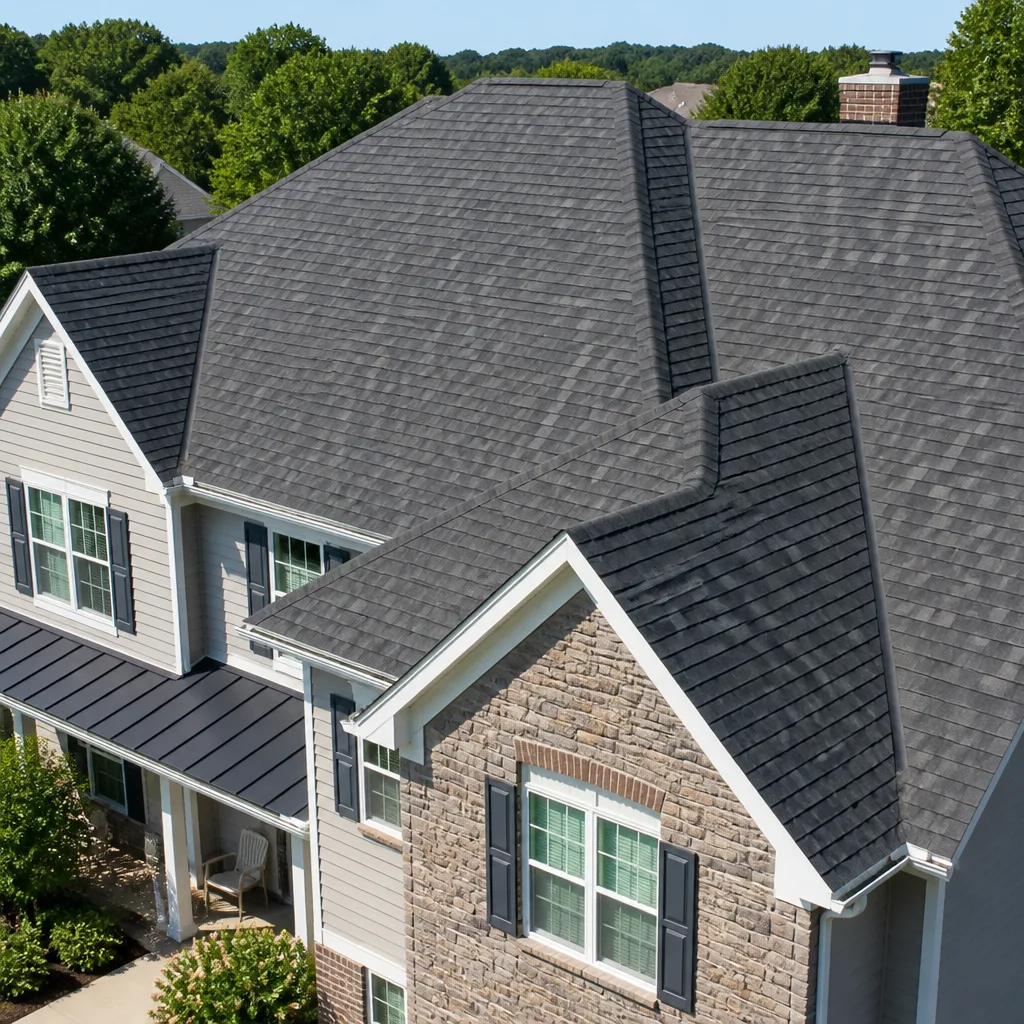 Owens Corning
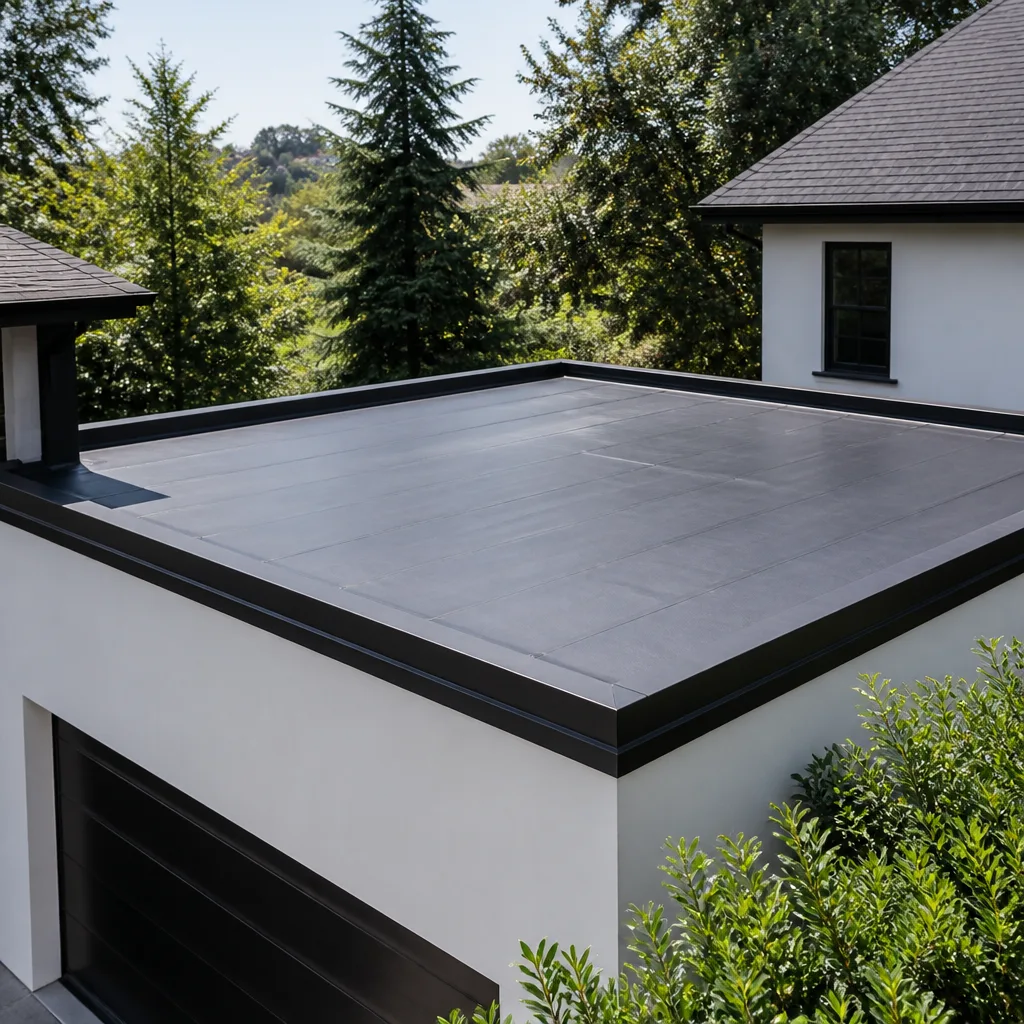 Flat & low-slope
Free roof inspection with deck photos before we talk money - GAF and Owens Corning certified installation
Fast, Reliable Roof Replacement Across Signal Hill
Roof replacement in Signal Hill runs $9,200 – $18,400 for a typical single-family home, and most tear-offs on the hill take four to seven working days from permit to final inspection. That’s the direct answer. What drives the cost here more than anything is hardware spec: the marine layer and onshore wind off Long Beach and San Pedro eat through electro-galvanized fasteners and flashing years before the shingles themselves fail, so a Signal Hill roof that’s being replaced anyway should be reset with marine-grade everything. We’re in Signal Hill weekly for inspections and estimates, and Neil Stratton’s team has torn off enough 1940s bungalow roofs and 1960s tract homes on the hill to know exactly what we’ll find under the old shingles. Call (833) 467-4901 when you want a straight read on your roof.
Why Huntington Beach Roofers Is Signal Hill’s Preferred Roof Replacement Company
We work Signal Hill differently than an inland roofer would, because the hill is its own microclimate. You’re not getting heat-cracked shingles up here the way a Fontana or Riverside roofer expects. You’re getting corrosion at the perimeter, wind-lifted drip edges, and rusted-out valley flashing while the field shingles look passable. That changes what we write into every estimate. Our Roof Replacement team prices Signal Hill jobs with stainless or hot-dip galvanized nails, marine-grade flashing, and ice-and-water shield through valleys and along eaves by default. It’s not an upsell. It’s how a roof survives on a hill sitting in salt air.
We carry seven brands: GAF, CertainTeed, Owens Corning, IKO, Atlas, Tamko, and Boral. That matters in Signal Hill because some homes here carry insurance requirements tied to a specific manufacturer, and some owners want a premium system while their neighbor across the street needs a clean basic 30-year architectural. Seven brands, one contractor relationship. You don’t get steered into whatever brand we happen to stock.
Signal Hill homeowners also deal with the city’s building department, which runs its own permit and inspection process separate from Long Beach’s. We’ve pulled permits at 90755 addresses enough times to know what the inspectors look for on tear-offs on the hill’s older streets, including final inspection details on edge metal and nailing pattern. That avoids a second trip and a stalled inspection.
Styles & brands we work with
Flat Roof Replacement in Signal Hill
Flat Roof Replacement in Signal Hill is common on the 1950s-through-1970s stucco tract and ranch homes, plus the small commercial buildings along Cherry and Willow, many of which still carry original built-up roofs with gravel surfacing that’s well past service life. The job here usually means tearing the old BUR down to the sheathing, checking for moisture-saturated insulation at the low points, re-decking what’s soft, and installing a white modified bitumen or single-ply system. On a typical 1,200-square-foot flat roof in Signal Hill, figure $12,000 – $19,000 depending on access, insulation condition, and whether the old roof is one layer or three.
When Coastal Moisture Forces the Decision
The marine layer here sits on low-slope roofs well into the morning almost year-round. Built-up roofs with cracked gravel and exposed felt trap that moisture in the insulation below. By the time the homeowner sees a ceiling stain, the insulation is waterlogged and the deck is starting to rot around scuppers and drains. If you catch it before the deck fails, a recover is sometimes possible. If the roof has two or more layers already, Signal Hill code requires full tear-off.
Drainage and Edge Details
Low-slope roofs on the hill fail at the edges and penetrations first, not the field. Scuppers clog with leaf litter off the older street trees, water stands, and the salt air rusts the conductor heads and strainers. We install new aluminum or stainless scuppers and replace any rusted cast iron with PVC or painted aluminum, then seal every penetration with a two-part urethane before the new membrane goes down.
Roof Installation in Signal Hill
Roof Installation in Signal Hill covers full replacement and also new construction on infill lots, additions, and accessory structures. For new build, the city plan check wants specific nailing patterns, underlayment type, and edge metal detail before they’ll issue the permit, and the oil-field overlay means limited lot access on some streets. A standard new-construction roof on a 1,500-square-foot home in Signal Hill ranges $13,500 – $22,000 depending on slope, pitch, and whether the owner goes entry-level three-tab or a GAF or CertainTeed architectural system.
Decking and Underlayment Spec
The original wood decks on Signal Hill’s 1920s and 1930s bungalows are often in better shape than the hardware holding the roof down. Marine air rots the nails before it rots the plywood. On tear-offs we re-nail or re-deck the soft spots, then lay synthetic underlayment with the manufacturer’s required fastening schedule. On hillside-facing slopes above 4:12, we call for six nails per shingle for wind uplift, which is what GAF’s certification requires in coastal-wind zones.
Working Around Oil-Field Infrastructure
Signal Hill is a small fully built-out city humming on top of one of the most productive urban oil fields in the country. Homes and small commercial buildings sit near active and legacy wellheads, pump jacks, and tank farms. We’ve staged tear-offs on streets where the dumpster couldn’t reach the property line and the material lift had to go in from a neighbor’s driveway with written permission. Abandoned well casings show up in backyards. Odd setbacks and room additions built around old pump-jack pads mean the roof isn’t always what the tax record says it is. We find that on the first walk, not on tear-off day.
Trusted Brands We Service in Signal Hill
We’re authorized to install GAF, CertainTeed, Owens Corning, IKO, Atlas, Tamko, and Boral. That’s not a brochure list; it’s the difference between a homeowner hearing “here’s the one brand we offer” and “here are three that actually fit your roof and budget.” In Signal Hill we most often quote GAF architectural for the mid-range work, Tamko when the insurance adjuster wants a specific brand match, and Atlas or Boral when a homeowner wants a thicker, premium look. Turnaround on material orders for 90755 is typically two to four days, so a signed contract doesn’t mean a long wait for shingles.
See the difference
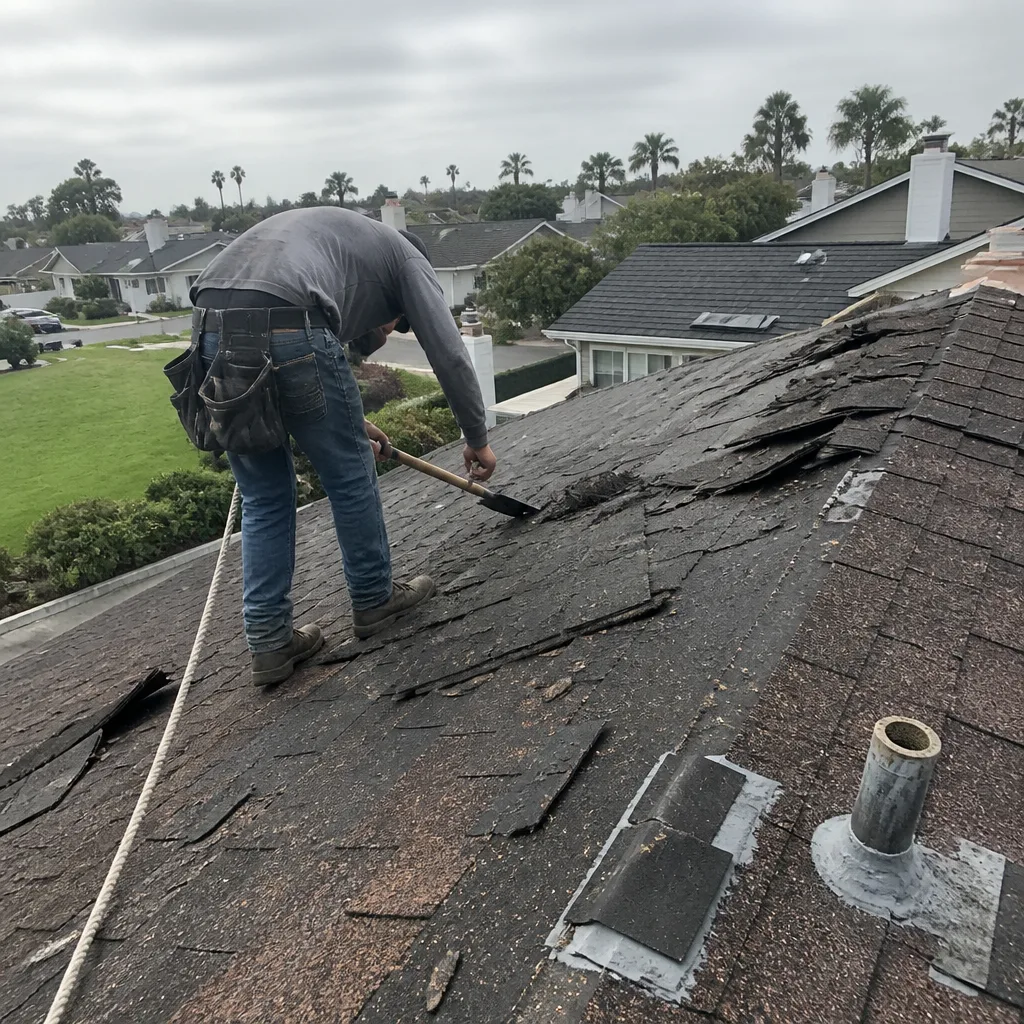 Before
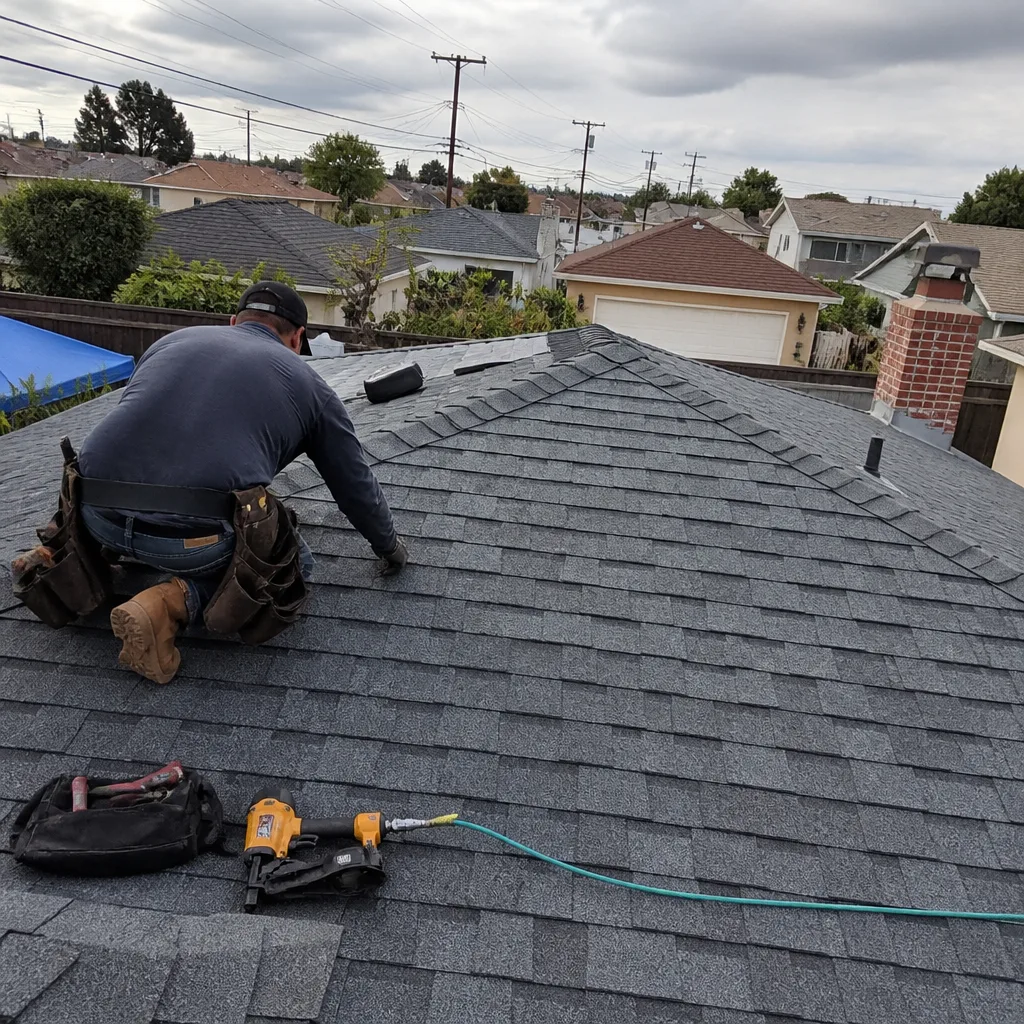 After
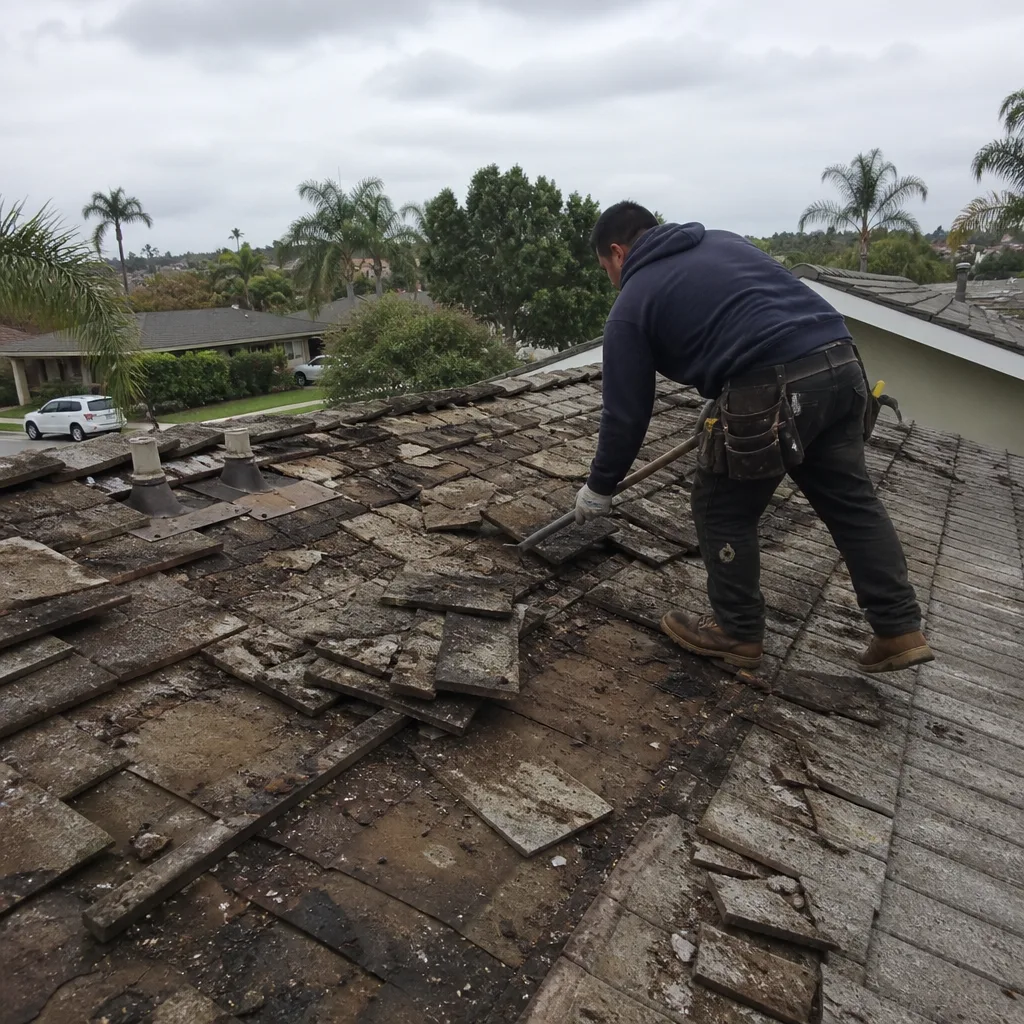 Before
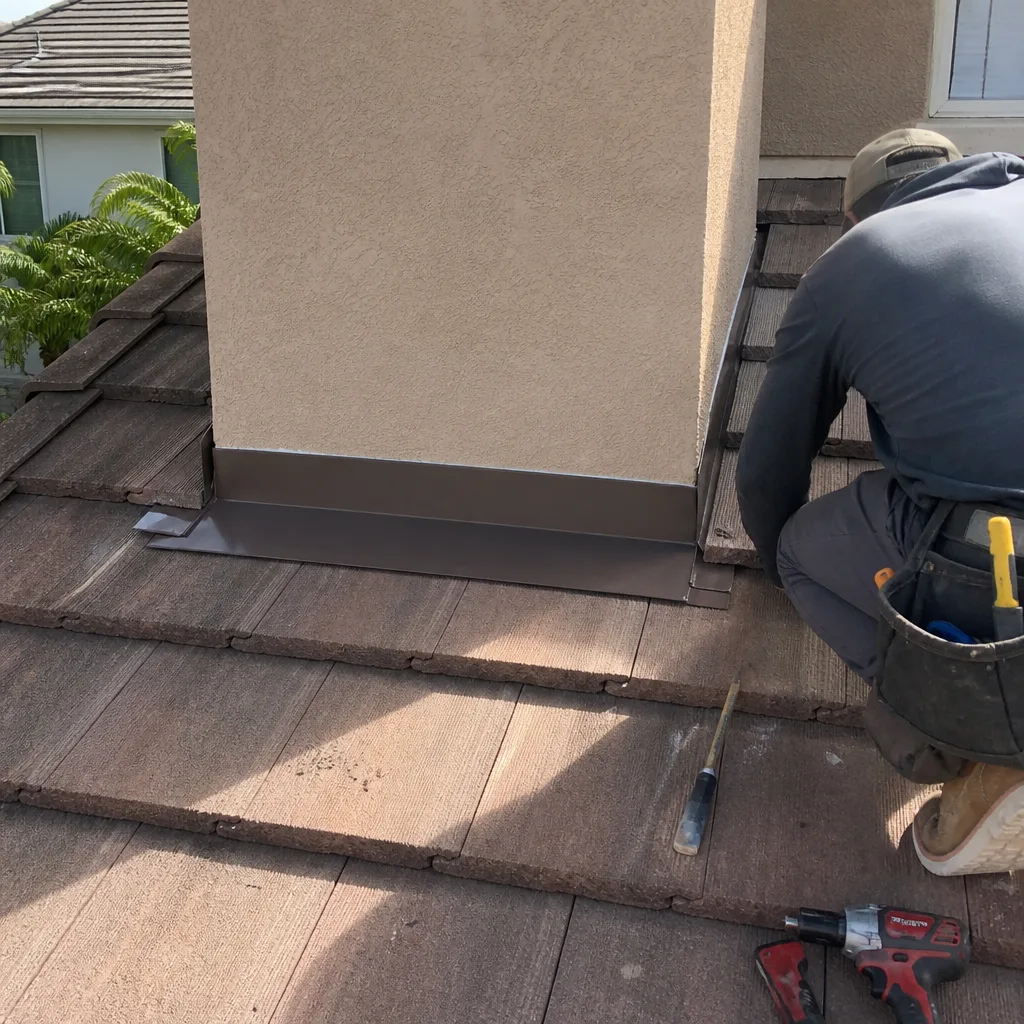 After
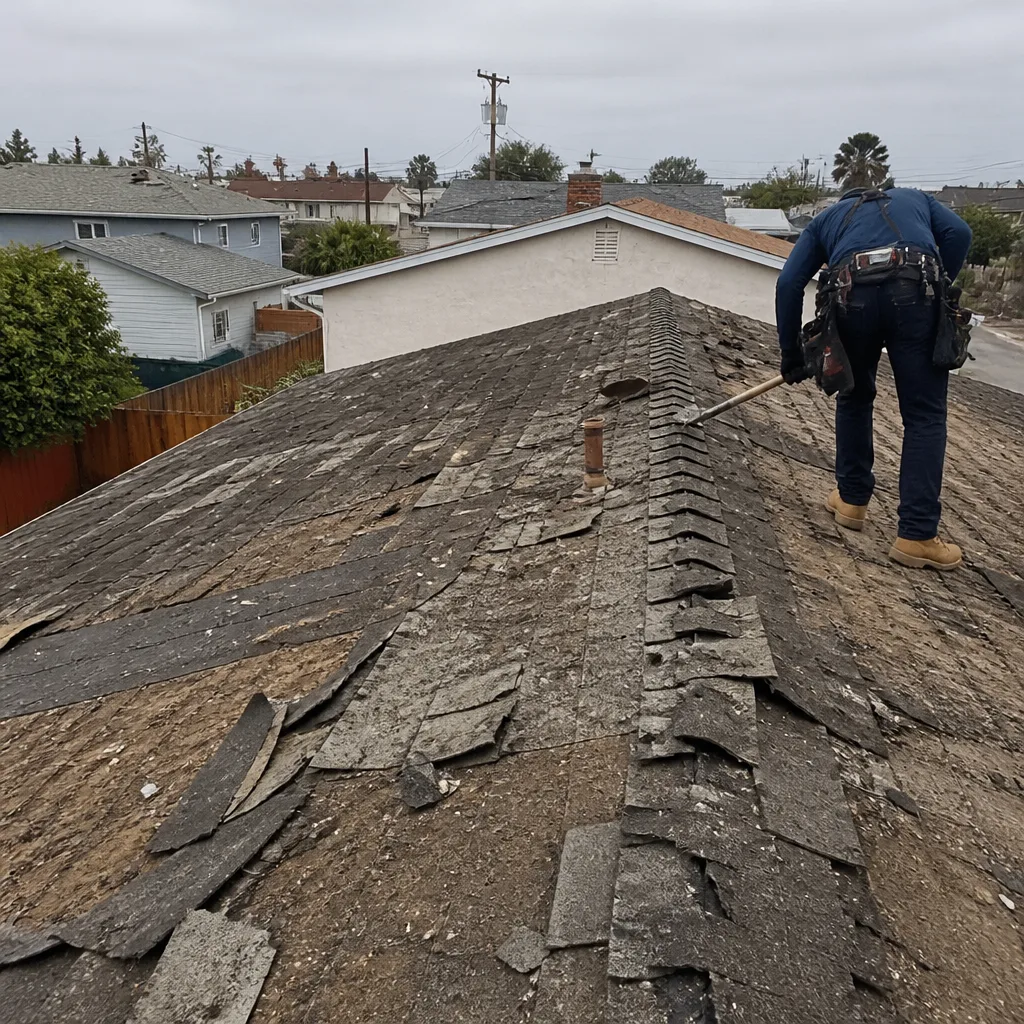 Before
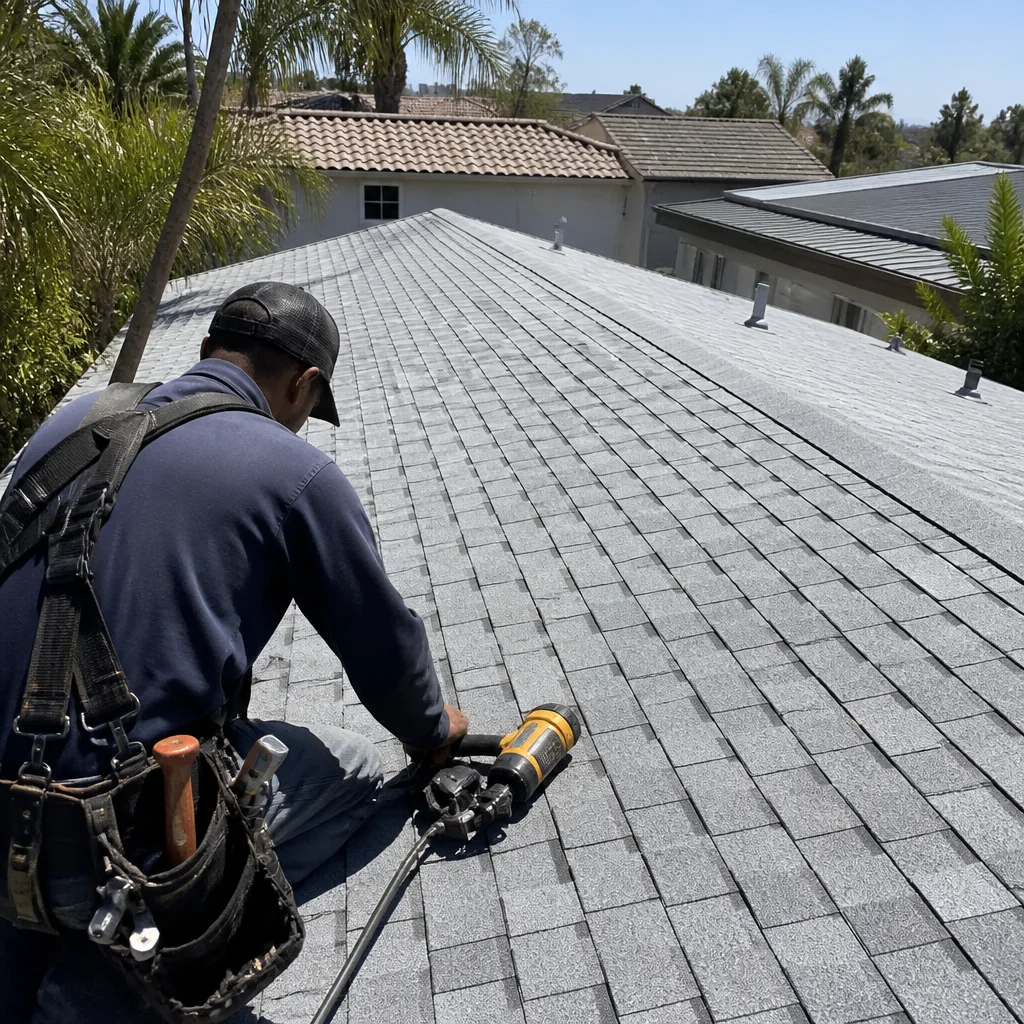 After
Common Roof Replacement Problems We See in Signal Hill Homes
- Rusted-out electro-galvanized fasteners and flashing. The marine layer leaves the roof damp until mid-morning most days, and the onshore salt air off Long Beach pits cheap nails and valley metal within a few years. A roof that looks tired from the street is often a roof that’s rusting from the hardware out.
- Wind-lifted drip edges and starter strips. Onshore wind hits the hill’s southeast-facing slopes harder than heat ever does inland. Edges peel, water gets behind the fascia, and the first ply rots. If the drip edge is original and the nails have popped, the perimeter has already failed.
- Original wood-shingle roofs reaching end of life. The older streets off the historic core still have cedar shingles going back to the 1940s and 1950s. The shingles look weather-beaten, but the real damage is rusted-through valley flashing and salt corrosion at the penetrations.
- Oil-field-era construction quirks mid-job. A roofline that doesn’t match the wall line, an addition built over an old pump-jack pad, a vent stack in an unexpected place. We flag these on the inspection before the contract, which keeps change orders off the table.
Pricing for Roof Replacement in Signal Hill, CA
A full tear-off and re-roof on a typical 1,200 – 1,800-square-foot Signal Hill home runs $9,200 – $18,400. Flat roofs run a bit more per square foot: $12,000 – $19,000 on a 1,200-square-foot low-slope, because the insulation condition and edge metal add labor. The single biggest cost driver on the hill is the hardware spec. Stainless-steel nails and marine-grade flashing add $900 – $1,800 to the job versus inland shingle-and-nails. The cheap spec fails within a decade. The coastal spec stops the corrosion clock. Call (833) 467-4901 for a written line-item quote on your exact roof; estimates are free and there’s no charge for the first inspection.
We Also Serve Cities Near Signal Hill
Our Signal Hill crews also cover the surrounding South Bay communities several days a week. We handle roof replacement in Long Beach, Lakewood, Carson, and Hawaiian Gardens, so if you own property in more than one of these cities, one contractor relationship covers the lot. Same inspection-first approach, same seven-brand portfolio, same single point of contact from first walk to final shingle.
Serving Signal Hill, CA — Our Local Coverage Area
We’re based in the Signal Hill area and know this community well. Use the map below to see our service coverage — if you’re nearby, we can almost certainly help.
FAQs About Roof Replacement in Signal Hill
It costs more because the correct spec here is stainless or hot-dip galvanized fasteners, marine-grade flashing, and ice-and-water shield at the eaves and valleys. That’s roughly $900 – $1,800 more than the inland shingle-and-nails approach, but it’s the only spec that won’t rust out in the marine layer within ten years. You’re not paying more for the same roof. You’re paying for a roof that holds together in salt air. Call (833) 467-4901 and we’ll show you the two specs side by side.
The marine layer sits on Signal Hill roofs from late evening to mid-morning most of the year, and the salt air off Long Beach and San Pedro condenses on metal before it dries. Cheap electro-galvanized nails and flashing pit, rust, back out, and then wind gets under the edges. The shingles may have 15 years of life left while the hardware has already failed. On this hill the material decision is a fastener-and-flashing decision first, and a shingle choice second.
Ask what nails they spec and what flashing they’ll use. If the answer is “standard nails, standard flashing,” walk away. Signal Hill’s marine air demands stainless or hot-dip hardware and marine-grade edge metal, and a roofer who doesn’t know that hasn’t worked the hill. Also ask if their price includes re-nailing loose decking, ice-and-water shield at the eaves, and a final inspection by the Signal Hill building department. If they can’t say yes to all three, get another quote. Call (833) 467-4901 for a line-item bid that answers all of it in writing.
Yes. Signal Hill sits on one of the most productive urban oil fields in the country, and some homes and small commercial buildings here were built around the oil-field layout, not the residential lot line. We’ve found abandoned well casings, additions built over old pump-jack pads, and offsets in the roofline that change how the tear-off has to be staged and where the new decking gets fastened. These quirks don’t typically add cost if they’re caught on the inspection, and we catch them on the first walk because we’ve worked the hill long enough to know where to look.
They both matter, and more on this hill than inland. The onshore wind loads the drip edge, starter strip, and ridge line, so we spec a six-nail pattern on any roof with a southeast-facing exposure and use the manufacturer’s required fastening schedule for coastal-wind zones. Brand matters when your insurance claim requires a specific match, or when the roof geometry calls for a thicker shingle that won’t warp. Seven brands means we don’t force a GAF onto a roof that a CertainTeed or Atlas fits better. Call (833) 467-4901 to talk through what your roof actually needs.
Ready for an honest read on your Signal Hill roof? Call (833) 467-4901 and schedule a free inspection. Neil Stratton and the Roof Replacement crew will inspect first, recommend second, and give you a written line-item price that makes sense for the hill’s salt air, wind, and oil-field quirks.
Written by Neil Stratton, Owner at Huntington Beach Roofers, serving Signal Hill and the surrounding South Bay.