
Last updated October 31, 2026
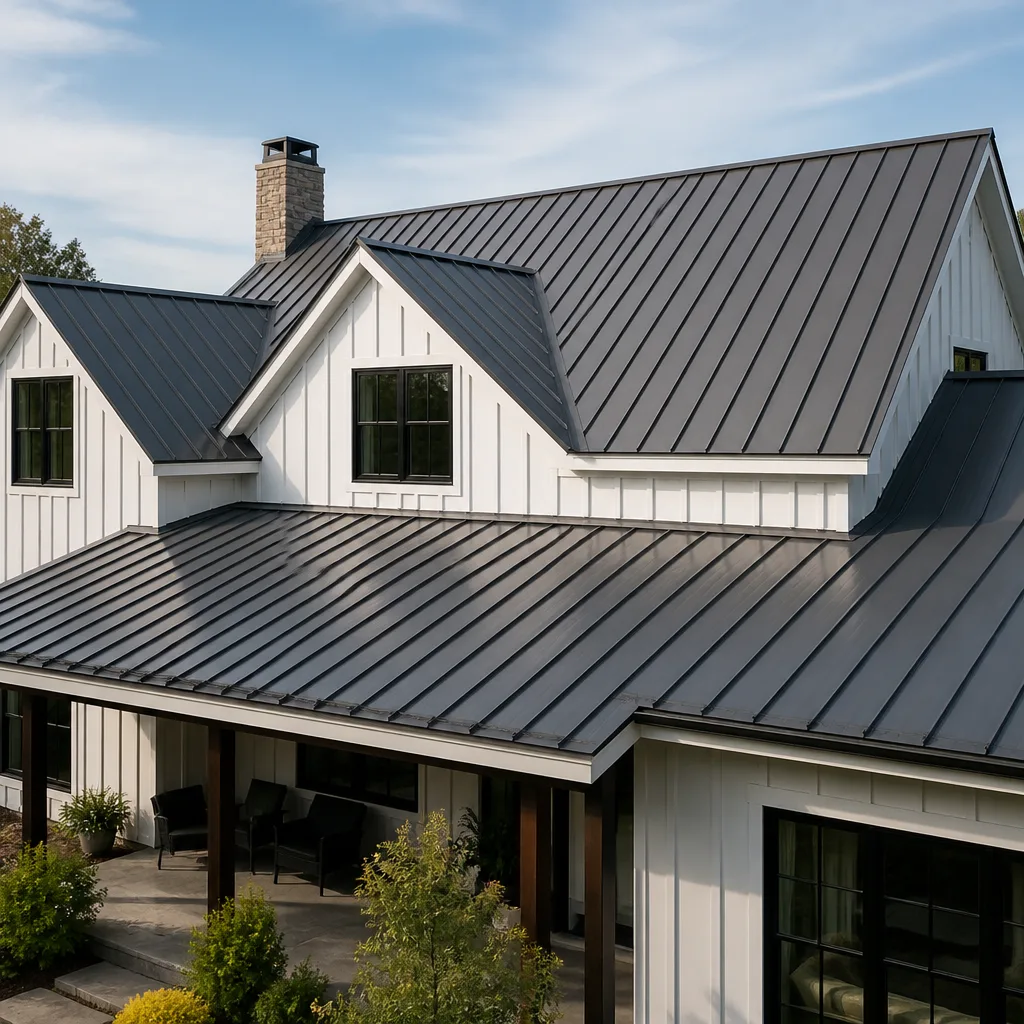 Metal roofing
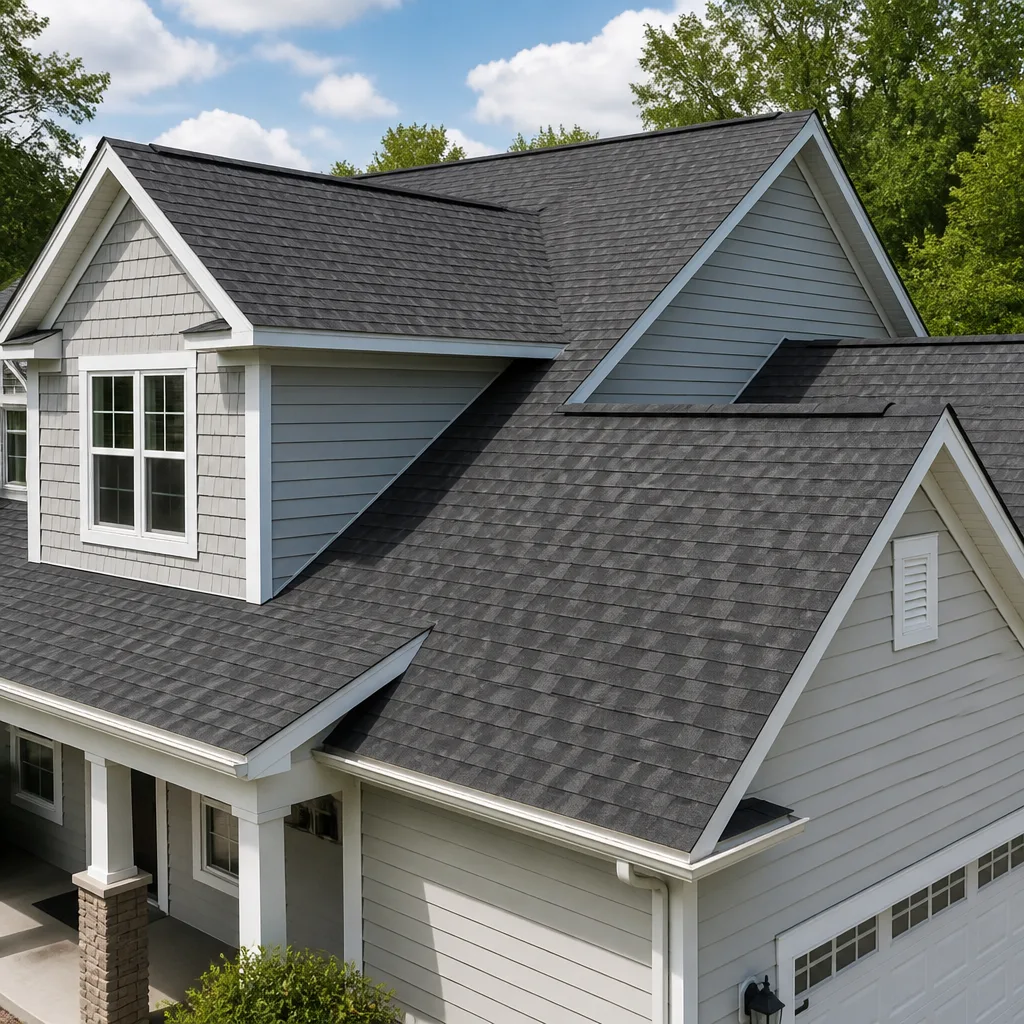 Architectural shingles
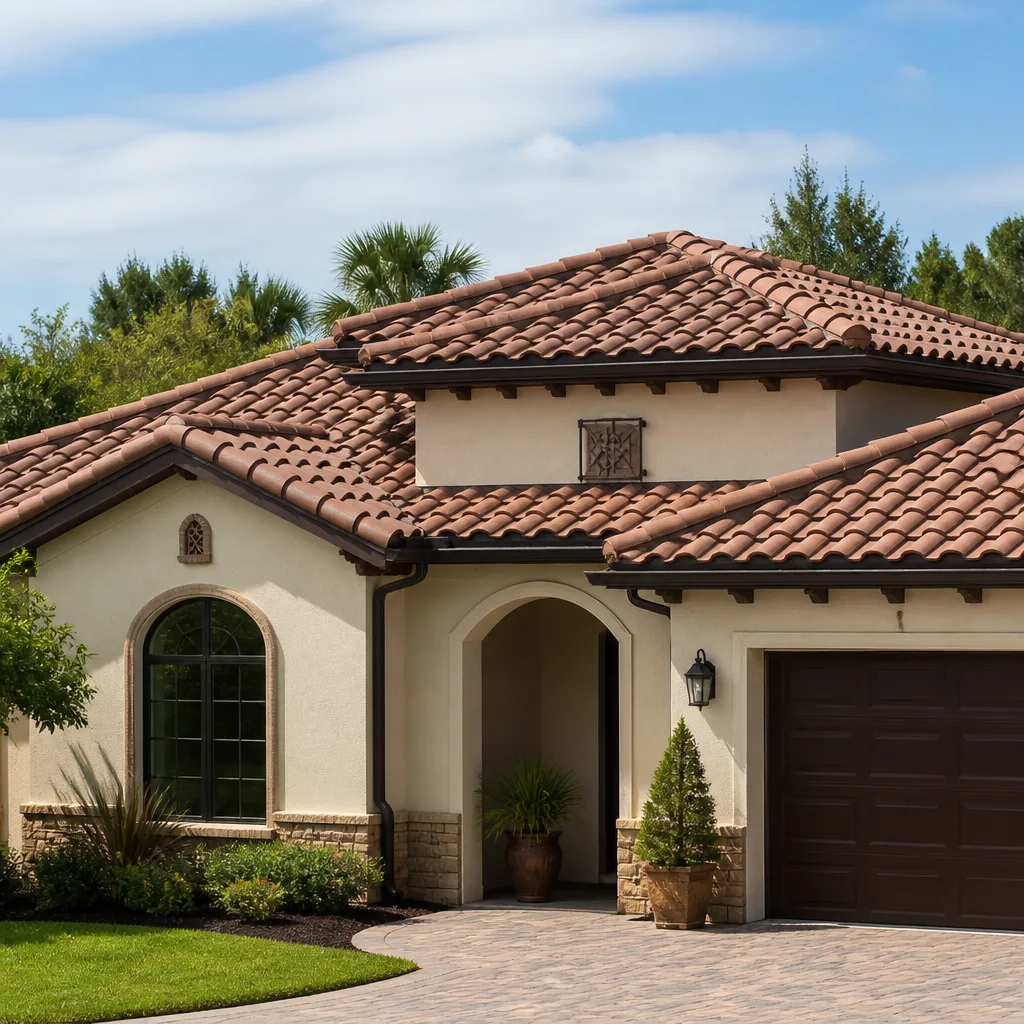 Tile roofing
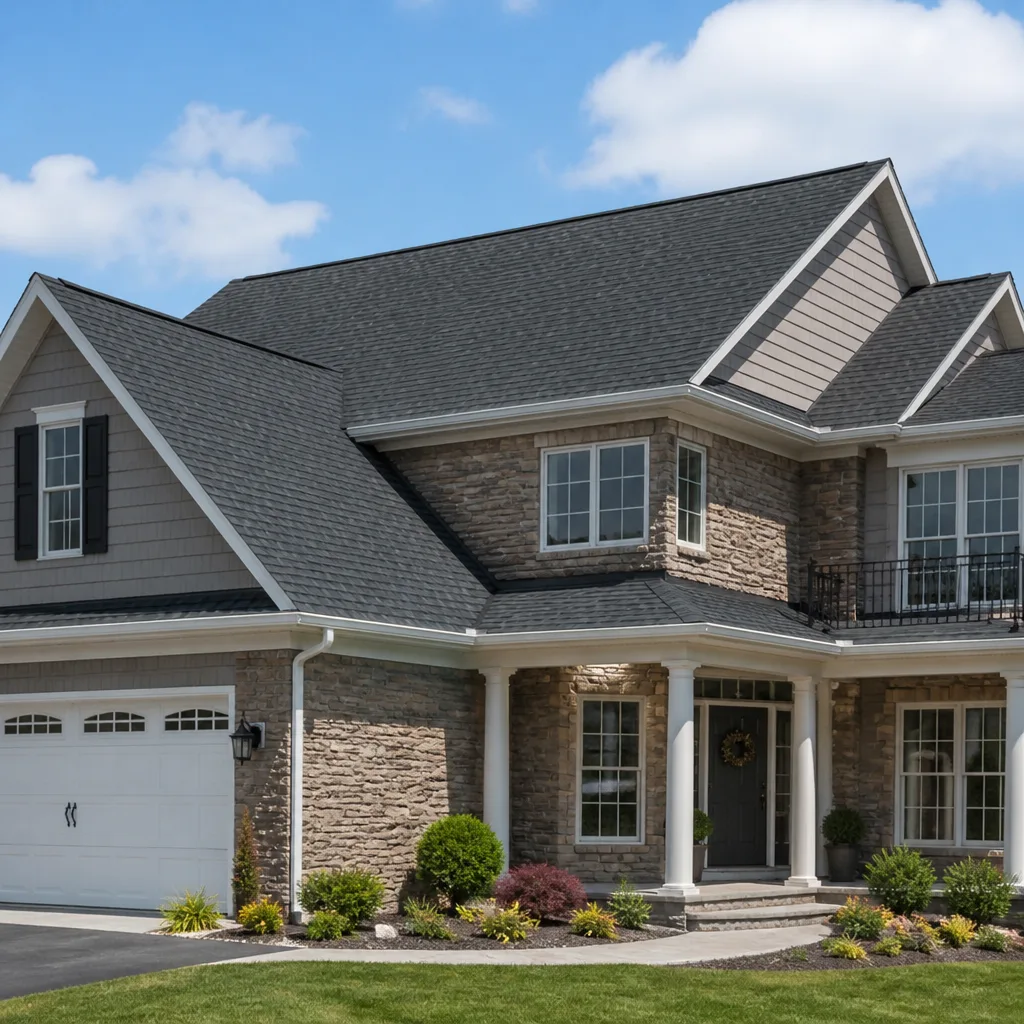 GAF
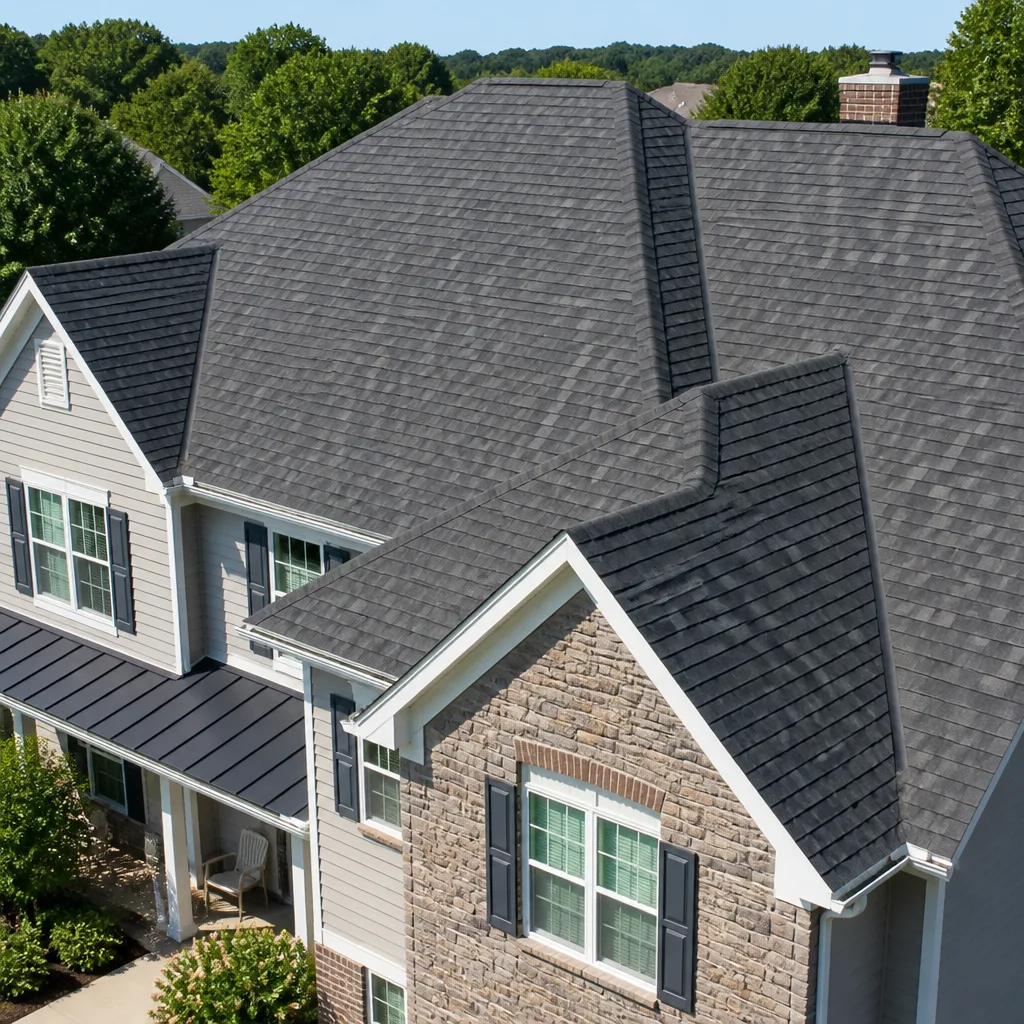 Owens Corning
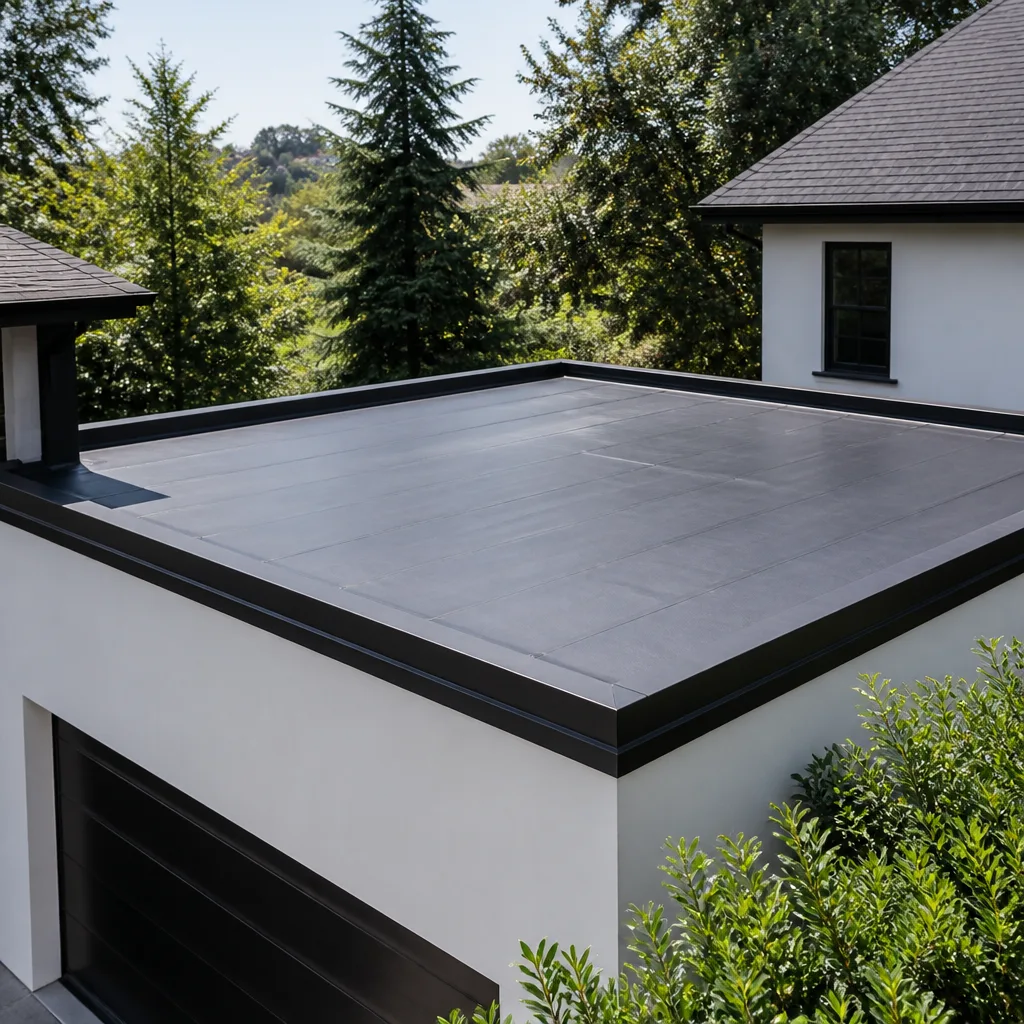 Flat & low-slope
Free roof inspection with deck photos before we talk money - GAF and Owens Corning certified installation
The Complete Guide to Roofing in Huntington Beach
The average asphalt shingle roof in Huntington Beach doesn’t fail because of age. It fails because salt fog from the Pacific eats through exposed fasteners, the marine layer keeps shaded north slopes damp well past noon, and Santa Ana winds work loose shingles that were nailed to code minimums written for inland California. Most roofing guides written for “Southern California” lump Huntington Beach in with Riverside and never mention salt exposure once. For a truly local perspective, see The Complete Roof Repair Guide for Huntington Beach Homeowners. That omission costs homeowners real money. This guide closes the gap. You’ll learn how Huntington Beach’s coastal microclimate changes every material decision, what the City of Huntington Beach actually requires during a reroof, how to read a bid without getting burned, and when a repair makes more sense than a replacement.
Quick Answer
Roofing in Huntington Beach requires materials and installation methods built for salt air, persistent marine-layer moisture, and Santa Ana wind gusts that routinely exceed 60 mph. The most durable residential choices for this specific climate are concrete tile, standing-seam metal, and Class 4 impact-rated asphalt shingles installed with corrosion-resistant fasteners and wind-rated nailing patterns. A full replacement typically runs $12,000 to $38,000 depending on material and roof complexity, and every legitimate project starts with a standalone inspection before any repair or replacement recommendation is made.
Styles & brands we work with
Table of Contents
- How Salt Air and the Marine Layer Change Roofing in Huntington Beach
- Santa Ana Winds: Why Code-Minimum Nailing Fails Here
- Material Comparison: Concrete Tile vs. Class 4 Asphalt vs. Standing-Seam Metal
- Permits, Inspections, and the City of Huntington Beach Process
- The Project Lifecycle: From First Inspection to Final Sign-Off
- How to Read a Roofing Bid Line by Line
- Common Mistakes to Avoid
- When to Call a Professional
How Salt Air and the Marine Layer Change Roofing in Huntington Beach
Homes within a mile of the Huntington Beach coastline face a roofing environment that inland Orange County never sees. Salt aerosol from breaking surf travels on prevailing westerly winds and deposits a fine chloride film on exposed roofing components. Over time, that film corrodes galvanized steel flashing, roof jacks, pipe collars, and valley metal. We’ve inspected roofs in the Edwards Hill and Seacliff neighborhoods where flashing installed less than eight years prior showed rust-through at the fastener points. The same flashing in Fountain Valley would still have another decade of service life.
The marine layer compounds the problem. From late spring through early autumn, Huntington Beach sits under a low cloud deck until 10 or 11 a.m. North-facing and east-facing roof slopes stay damp for hours after sunrise. Persistent moisture on asphalt shingles accelerates granule loss, and it creates ideal conditions for Gloeocapsa magma, the blue-green algae responsible for those black streaks you see on roofs throughout the Oak View and Glen Mar neighborhoods. Inland, granule loss is primarily UV-driven. Huntington Beach, it’s moisture-driven and concentrated on specific slopes.
What this means for homeowners is straightforward. Any material spec written without accounting for salt and moisture exposure is incomplete. At minimum, a Huntington Beach reroof should include stainless steel or copper fasteners for all exposed attachments, zinc or copper flashing at valleys and penetrations, and an algae-resistant shingle product from a manufacturer that explicitly warrants coastal performance.
The contractors at Huntington Beach Roofers home carry products from seven manufacturers, including GAF, CertainTeed, and Owens Corning, which gives real material options for coastal conditions rather than a single-brand recommendation that may not fit the exposure.
Santa Ana Winds: Why Code-Minimum Nailing Fails Here
Santa Ana events in Huntington Beach are predictable in their seasonality, not their intensity. The wind corridors through the Talbert Channel, the Santa Ana River bed, and the open flat stretches between the 405 and the coast funnel northeast winds that regularly exceed 60 mph at rooftop height. The National Weather Service has recorded gusts above 80 mph during strong events. Roof damage from these winds is almost never from shingles blowing off in sheets. It’s from the first shingle. One tab lifts at the edge of the field or at a rake line, the wind catches it, and then it’s a zipper failure along the entire slope.
Code-minimum nailing patterns for asphalt shingles specify four nails per shingle for most roof zones and six nails per shingle in high-wind zones. For a coastal roof in Huntington Beach, the correct approach is six nails on every shingle, with a high-wind starter strip installed at the eave, and additional sealing at the rake edges. The underlayment matters too. A properly installed synthetic underlayment with taped seams does more to prevent wind-driven rain intrusion than the shingles themselves.
One detail most homeowners never hear about: nail placement distance from the shingle edge. A nail placed too high through a shingle tab invites tear-out under wind load. A nail driven too deep through the shingle will pull through entirely. Good crews in Huntington Beach know the difference because they’ve replaced enough wind-damaged roofs to see what failed. The fix is technique, not just more nails.
If you’re dealing with wind damage right now, our Roof Repair in Huntington Beach page covers what we look for after a Santa Ana event and how repair decisions get made.
Material Comparison: Concrete Tile vs. Class 4 Asphalt vs. Standing-Seam Metal
Choosing a roof for Huntington Beach means balancing three forces: salt-driven corrosion, UV exposure at 33.6 degrees latitude, and Santa Ana wind gusts. Three material families handle these forces best, though each has trade-offs.
Concrete Tile
Concrete tile from Boral handles salt air with no corrosion concerns, handles UV with no degradation concerns, and carries enough weight to resist wind uplift without special nailing upgrades. The trade-offs are weight and cost. A tile roof weighs 900 to 1,200 pounds per square, which typically requires structural verification that the existing framing can carry it. Some Huntington Beach homes built in the 1950s and 1960s will pass. Others will need reinforcement. Expect to pay $18,000 to $38,000 for a full tile reroof on an average single-family home. Lifespan is 50+ years in this climate when installed correctly.
Class 4 Asphalt Shingles
Class 4 impact-rated shingles from GAF or Owens Corning are the workhorse choice for Huntington Beach. They handle salt exposure better than standard shingles when paired with stainless fasteners and zinc flashing, and the sealed nailing zones common to Class 4 products resist wind uplift beyond code minimums. On the price range, a Class 4 architectural shingle roof typically runs $14,000 to $22,000. Lifespan is 25 to 35 years in coastal conditions with proper flashing and fastener selection. This is the most common roof type in Huntington Beach for a reason: it balances cost, lifespan, and performance.
Standing-Seam Metal
Standing-seam metal is the best-performing material for the Huntington Beach coastal environment, period. Salt corrosion resistance comes from the panel material and coating system, UV degradation is effectively zero, and wind performance on a properly installed standing-seam roof exceeds everything else available. The trade-off is cost. Expect $25,000 to $45,000 for a residential standing-seam roof. The critical specification in Huntington Beach is the fastener and clip material. Exposed fasteners are unacceptable within sight of the ocean because they will corrode within a decade. Concealed clips with stainless fasteners are the correct specification. CertainTeed and other manufacturers offer coastal-grade metal systems that address this explicitly.
The right answer is different for every house. That’s why the process matters. We inspect first, recommend second, and the recommendation follows the roof’s needs and budget rather than a preferred product.
Permits, Inspections, and the City of Huntington Beach Process
Any roof replacement in Huntington Beach requires a permit from the City of Huntington Beach Community Development Department. The city reviews reroof permit applications for structural loading (especially for tile conversions), fire rating compliance with California Building Code Chapter 7A where applicable, and cool roof requirements where they apply. The permit fee depends on project valuation, typically $150 to $400 for a standard residential reroof, and inspection is required after the underlayment is installed and before the final roofing material goes on.
The city requires a roofing contractor to be licensed by the California Contractors State License Board and to pull the permit in the contractor’s name, not the homeowner’s. For help choosing the right pro, see How to Hire a Roofing Contractor in Huntington Beach: A Step-by-Step Guide. Some homeowners are tempted to pull a homeowner permit to save money. In Huntington Beach, that’s a decision that shifts liability onto the homeowner for any code compliance failure, and it usually complicates a future sale when unpermitted work appears on the property history.
For repairs, the threshold is fuzzier. A patch repair or shingle replacement does not require a permit. Replacing an entire roof plane, or more than a specified percentage of the roof’s total area, triggers the permit requirement. If in doubt, the city planning counter will clarify whether your specific job needs a permit. The correct order is inspection first, then a written recommendation that includes the permit path.
For a detailed walkthrough of what the inspection process involves before any replacement decision is made, see our Roof Inspection in Huntington Beach page.
The Project Lifecycle: From First Inspection to Final Sign-Off
Here’s the complete sequence for a roof replacement in Huntington Beach, from first phone call to city sign-off. This is the order a competent contractor follows, and it’s the order that protects the homeowner at each stage.
- Initial inspection. A full roof inspection documents the condition of the existing roof, identifies active leaks, measures remaining service life where applicable, and produces a written condition report with photos. At Huntington Beach Roofers, this inspection is offered as a standalone service. You get the report whether or not you choose to move forward with us. The inspection fee is credited toward any future repair or replacement.
- Recommendation and material selection. Based on the inspection findings, the recommendation is repair, partial replacement, or full replacement. If replacement is indicated, material options are presented across multiple tiers from our seven-brand portfolio. The recommendation matches the roof to the material, not the other way around.
- Written proposal. A line-item proposal with labor, materials, disposal, permit fees, and any structural work broken out separately. No vague line items, no “miscellaneous” entries, no change orders later because something was hidden in the bid.
- Permit application. The contractor files the permit with the City of Huntington Beach, including structural calculations if the material changes roof weight, and product documentation for the specified roofing system.
- Demolition and underlayment installation. The old roof comes off, the deck is inspected for any rot or structural issues, and the new underlayment goes down. The city inspection happens at this stage before any final roofing goes on. Any deck repairs found at this stage are documented and addressed before the project moves forward.
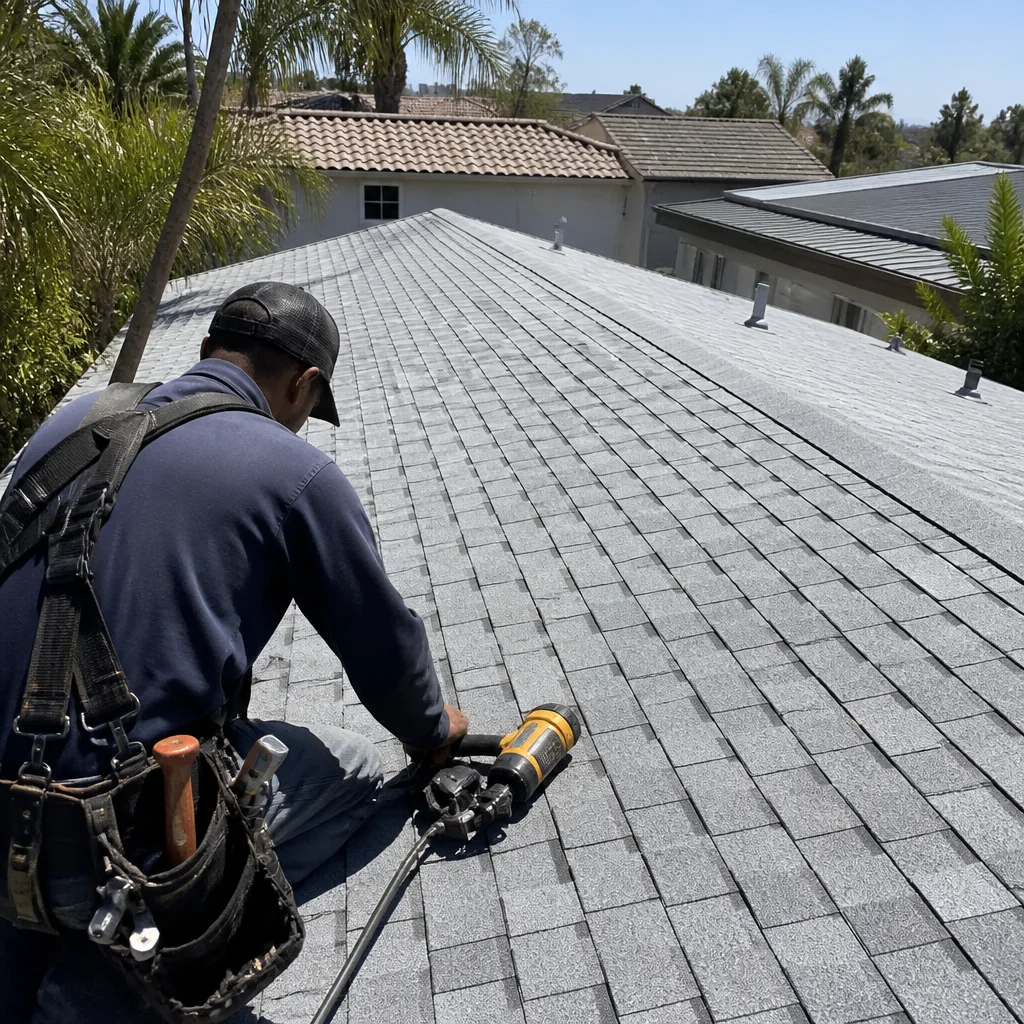
- Roofing installation. The final material is installed according to the manufacturer’s coastal wind installation specs, not just code minimums. For tile and metal, the installation takes longer; for asphalt, a typical Huntington Beach house is roofed in two to four days.
- Final inspection and sign-off. The city inspector signs off on the completed work, and the contractor provides the final documentation package: permit sign-off, manufacturer warranty registration, and any care recommendations specific to the installed material.
Timeline reality: from inspection to completed roof, expect four to eight weeks for a standard homeowner. The inspection happens within days. The permit typically takes one to three weeks to approve. Material ordering takes one to two weeks depending on brand and product availability, and installation is usually two to four days for shingle, longer for tile. Having seven brands from GAF, CertainTeed, Owens Corning, IKO, Atlas, Tamko, and Boral means if one product line is backordered, we can offer alternatives instead of stalling the project.
How to Read a Roofing Bid Line by Line
Most roofing bids are vague by design. A homeowner who doesn’t know what to look for will accept “Labor: $8,000” as a complete line item. It isn’t. Here’s what a legitimate Huntington Beach roofing bid should contain, line by line, and what each line is really telling you.
- Demolition and disposal. This covers removing the existing roof to the deck, hauling debris, and landfill fees. In Huntington Beach, disposal costs for a full reroof typically run $1,200 to $2,500. If this line is missing, the contractor is either burying it in another line item or planning to charge for it later.
- Deck repair allowance. This is a per-sheet price for replacing rotted or damaged roof decking discovered after the old roof comes off. Expect $75 to $120 per 4×8 sheet. Any bid that doesn’t include this line means the contractor will either skip it or charge change orders later. You want the unit price established before work starts.
- Underlayment. Should specify the exact product, not just “felt.” Synthetic underlayment (from GAF, CertainTeed, or similar manufacturer) outperforms traditional felt in wind-driven rain conditions common in Huntington Beach. If the bid just says “underlayment,” insist on the brand and product name.
- Roofing material. Specify the manufacturer, product line, shingle type, color selection allowance, and warranty tier. “Architectural shingle” is not specific enough. You want to know whether it’s GAF Timberline HDZ, CertainTeed Landmark, Owens Corning Duration, or something else. The product name determines the warranty you’ll be registering.
- Flashings and vent boots. This is the line most likely to be under-specified, and it’s the most important line for a Huntington Beach roof. Specify stainless steel or copper for exposed flashings, replacement of all pipe collars and roof jacks, and new valley metal. A bid that says “flashing as needed” is a red flag. Salt air eats cheap galvanized flashing, and this is exactly where future leaks will appear.
- Permit fees. This line covers the City of Huntington Beach permit cost and any structural calculation fees if required. It should match the city’s published fee schedule within reason. A contractor who quotes a permit fee wildly above or below the city schedule is guessing, and you’ll be the one who pays the difference.
- Workmanship warranty. Specifies the contractor’s own labor warranty in years. Manufacturer warranties cover the product. The workmanship warranty covers the installation. A legitimate contractor will state both separately. Be wary of bids that conflate a “50-year warranty” into a single number without distinguishing product from labor.
Read a bid line by line. If a line is vague, ask for the specification. If the answer is vague, that’s a data point about the contractor.
If you’re already at the point of comparing quotes for a reroof, our Roof Replacement in Huntington Beach page walks through how we build our proposals and what changes between material tiers.
Common Mistakes to Avoid
- Specifying inland California nailing patterns. Six nails per shingle with high-wind starter strips is the correct spec for Huntington Beach’s Santa Ana exposure. Four nails per shingle will pass code but fail in a strong wind event. We’ve replaced roofs less than five years old that failed this way.
- Using galvanized fasteners and flashing near the coast. Salt air corrosion on exposed galvanized components is aggressive within a mile of the surf line. Stainless steel fasteners and zinc or copper flashing are the engineering answer. The $800 to $1,200 upgrade cost is trivial compared to a reflash ten years later.
- Skipping the standalone inspection and going straight to a bid. A contractor who quotes a replacement without inspecting the actual roof is pricing someone else’s roof. Conditions vary dramatically from house to house in Huntington Beach, even in the same development. You’re buying a roof that stays on your house for decades. Get the inspection.
- Choosing materials based on price per square. Material cost is roughly 30 to 40 percent of a roofing project. The rest is labor, underlayment, flashings, disposal, and warranty coverage. Optimizing for the cheapest shingle saves a few hundred dollars and ignores the components that actually determine lifespan.
- Failing to verify the permit path. Some Huntington Beach homes have unpermitted reroofs already, and layering another unpermitted reroof on top complicates any future claim or sale. Confirm the permit is pulled and the sign-off is provided. It’s a five-minute conversation that protects a five-figure investment.
- Ignoring the attic condition as part of the roofing decision. A roof performs as a system with the attic ventilation below it. Huntington Beach homes built before current ventilation standards often run hot and humid in the attic, which degrades shingles from below and accelerates wood rot. A good inspection includes the attic.
- Accepting a vague bid with no brand names. “Architectural shingle” could mean anything from a top-tier Owens Corning Duration product to a builder-grade line from an obscure manufacturer. The bid should name the product, and you should be able to look up that exact product’s warranty and coastal performance ratings.
When to Call a Professional
Some roofing issues are obvious enough to address immediately. A visible leak in the living room ceiling after rain is a clear signal. Water stains in the garage ceiling, granules building up in the gutters after every rain, daylight visible through the attic roof deck, shingles that are curling at the edges or losing their granular coating, and any indication of wind lift after a strong Santa Ana event are all scenarios where a professional assessment is the right next step.
Roofing work carries genuine safety risks, and the steep portions of some Huntington Beach roof designs make DIY repairs dangerous. Before attempting anything yourself, read our DIY vs Professional Roofing: The Huntington Beach Homeowner’s Decision Guide. A professional inspection identifies issues that aren’t visible from the ground or from street level, and it gives you an honest condition report before you commit to any spend. Huntington Beach Roofers offers free estimates in Huntington Beach – call (833) 467-4901 to schedule yours.
See the difference
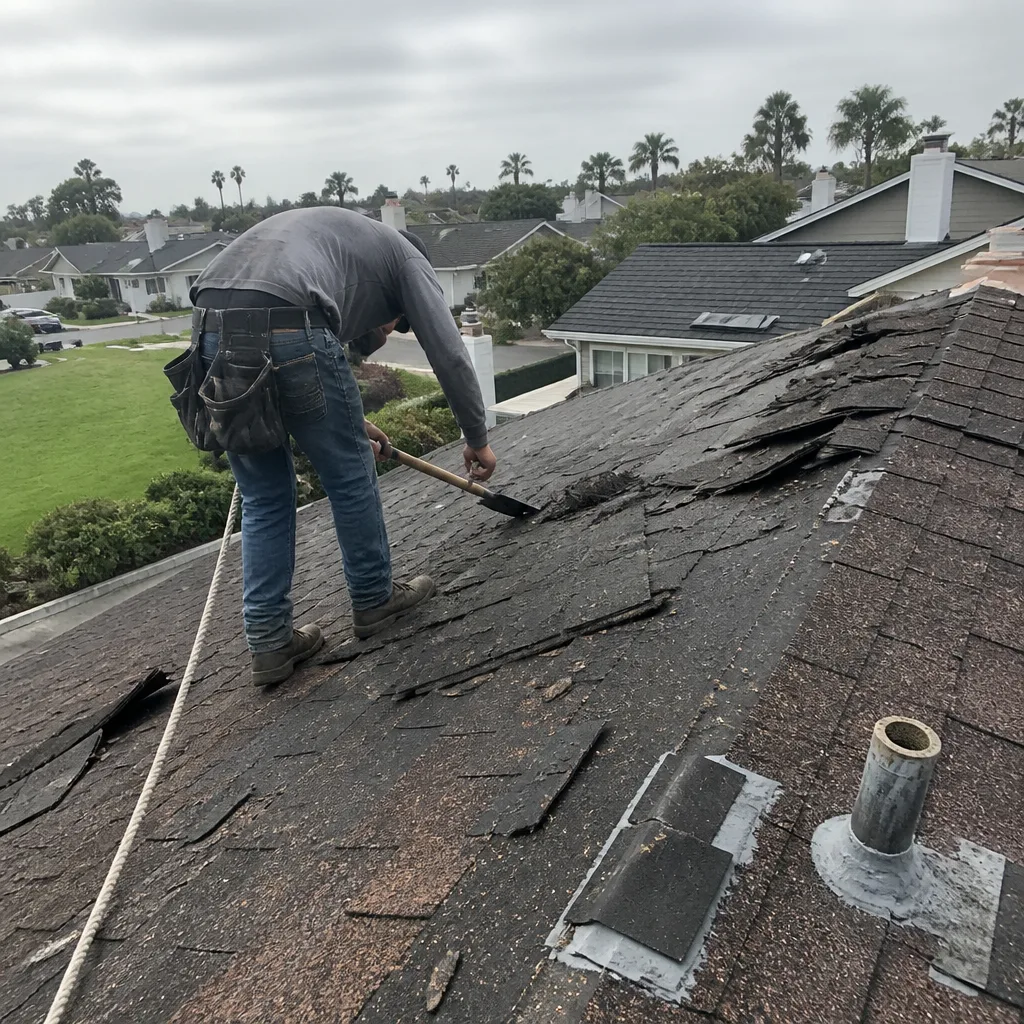 Before
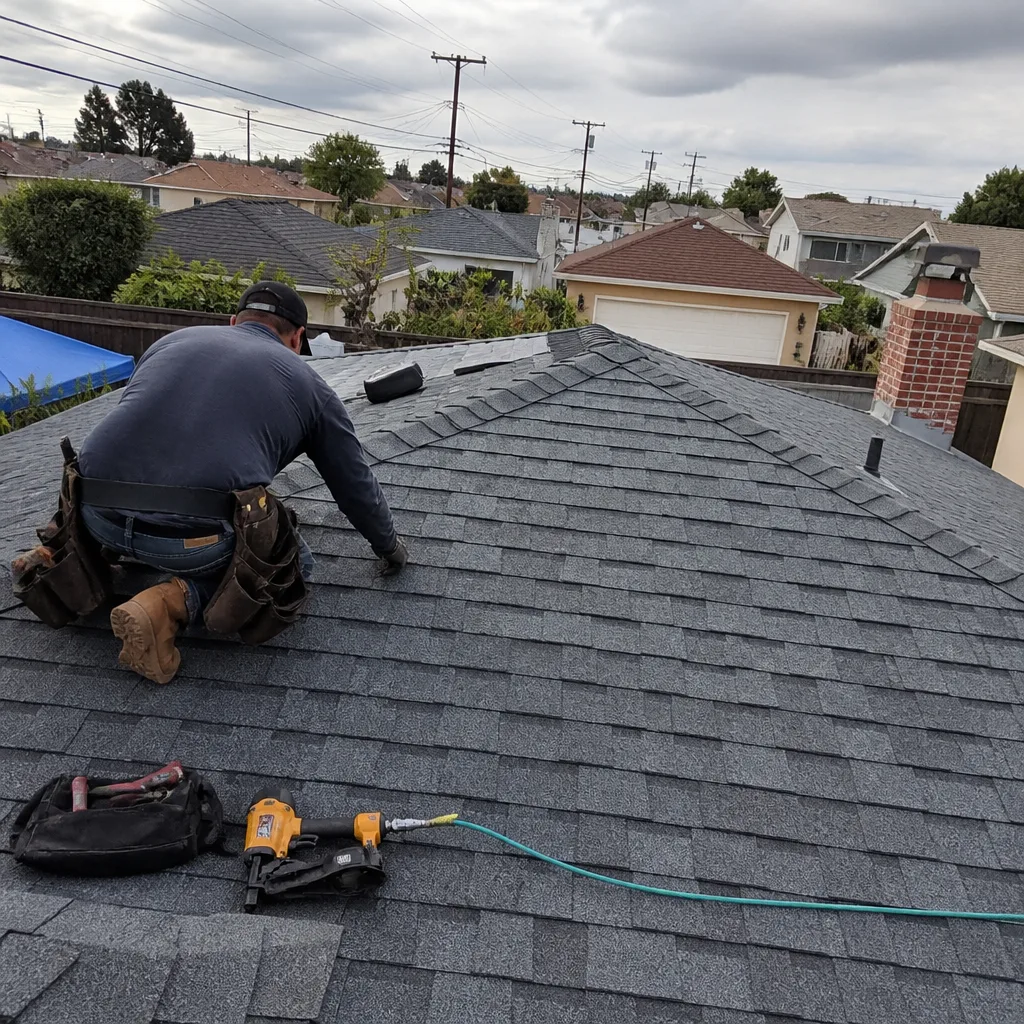 After
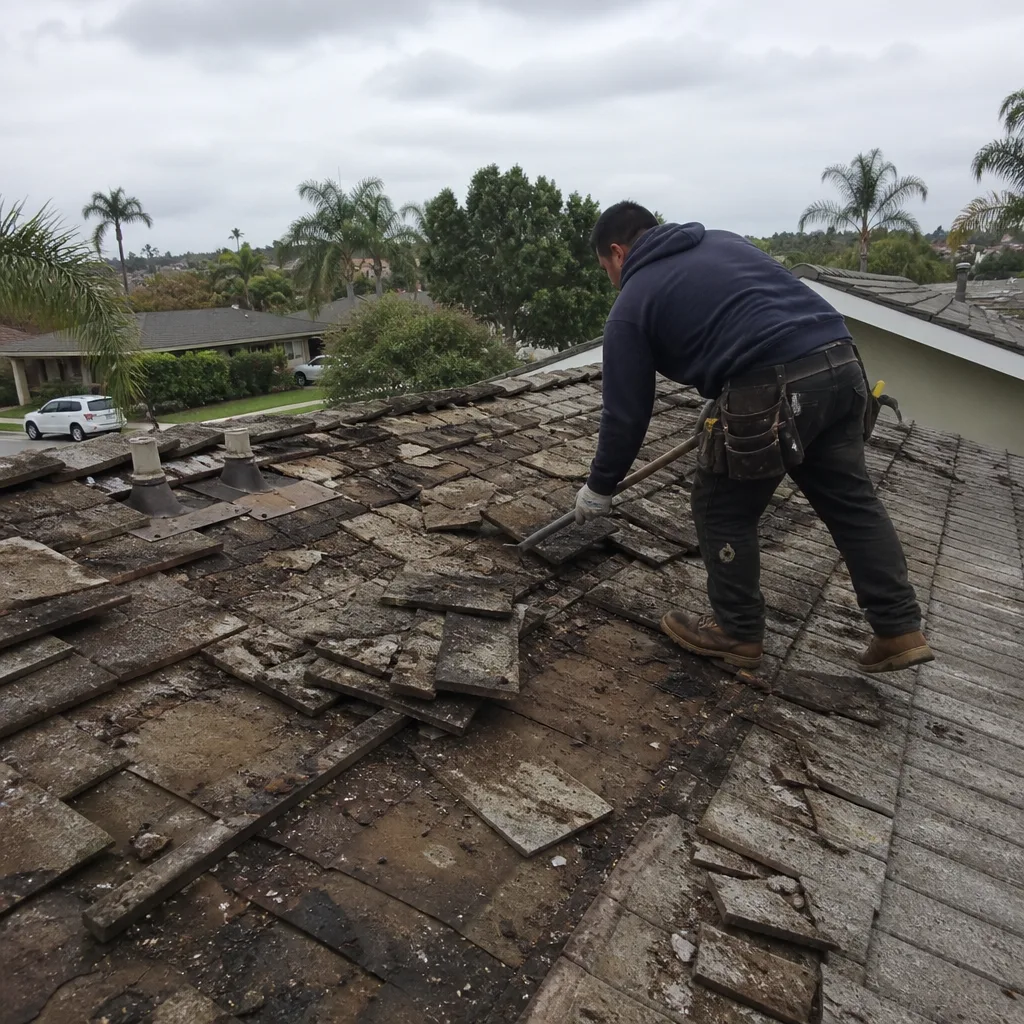 Before
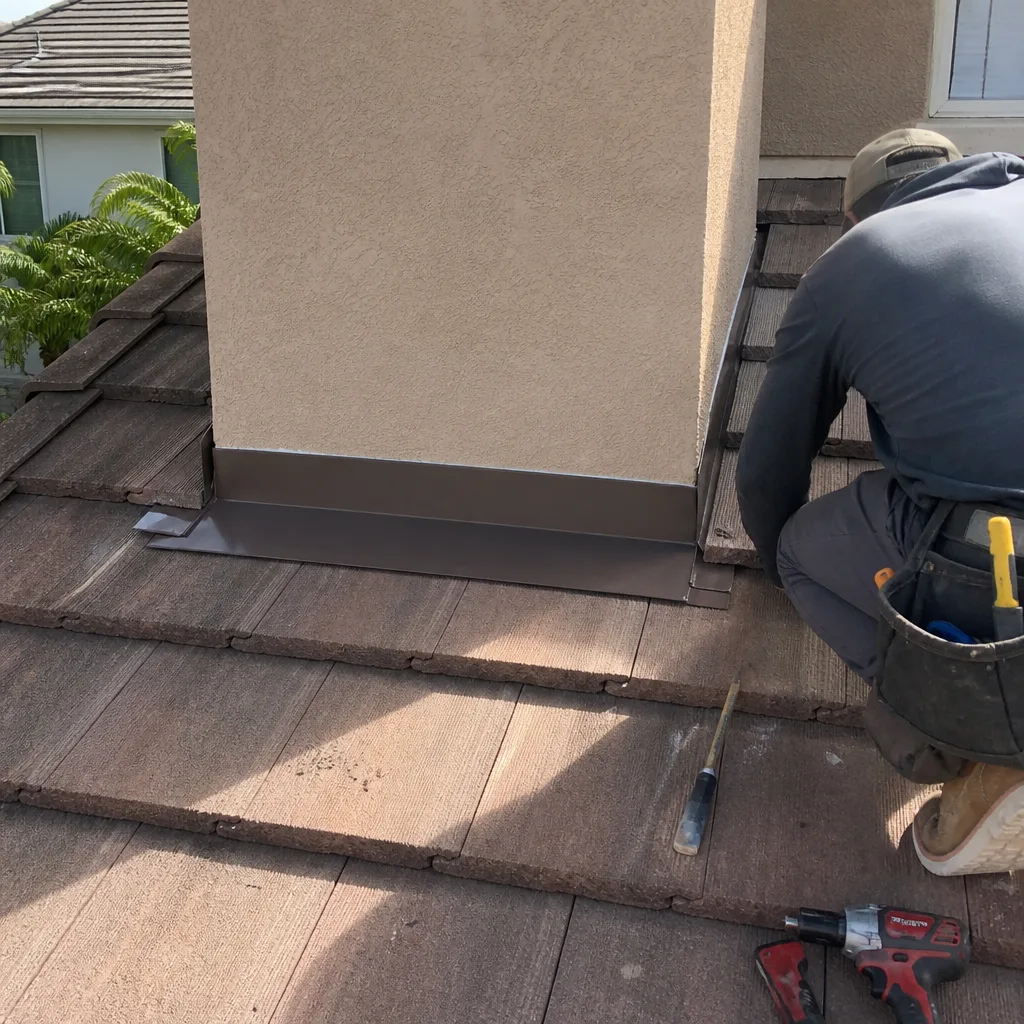 After
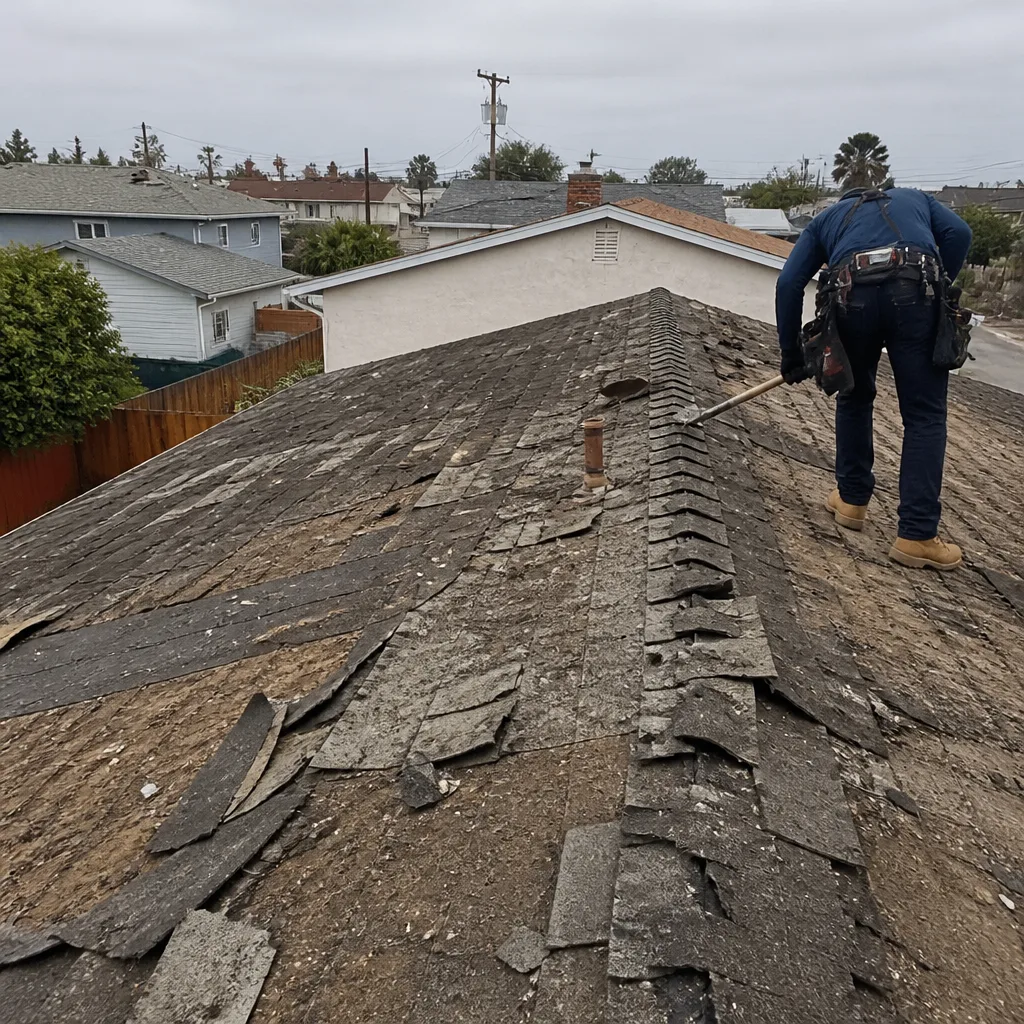 Before
 After
Frequently Asked Questions
A full roof replacement in Huntington Beach typically costs $12,000 to $38,000 depending on the material, roof size, and structural requirements. Class 4 asphalt shingle roofs run $14,000 to $22,000, concrete tile runs $18,000 to $38,000, and standing-seam metal runs $25,000 to $45,000. The single biggest variable is material, followed by deck repair needs discovered after the old roof comes off. Call (833) 467-4901 for an exact quote – estimates are free.
A Huntington Beach roof should be inspected every 12 to 24 months, with additional inspections after any Santa Ana event with sustained winds over 60 mph. The salt air and marine layer exposure mean small problems like corroded flashing or granule loss accelerate faster here than inland. A standalone inspection costs less than the repair bill you’ll face if minor issues are left alone.
Standing-seam metal with concealed stainless fasteners combines the best salt resistance, UV durability, and wind performance for coastal Huntington Beach homes, but it carries the highest upfront cost. Concrete tile is also excellent for salt resistance and longevity, but it requires structural verification. Class 4 asphalt shingles with stainless fasteners and zinc flashing offer a solid middle choice that balances cost, performance, and lifespan for most homeowners.
Yes. Any full roof replacement in Huntington Beach requires a permit from the City of Huntington Beach Community Development Department, and the permit must be pulled by a licensed roofing contractor. Small patch repairs do not require a permit, but full roof plane replacements do. The city inspects after underlayment installation and again at final completion.
The actual installation takes two to four days for asphalt shingles, five to ten days for concrete tile, and about one to two weeks for standing-seam metal on a typical single-family home. The full timeline including permitting and material ordering is four to eight weeks from inspection to sign-off. The permit approval step is the biggest variable, typically taking one to three weeks with the city.
The price should only change if deck repair needs are discovered after the old roof comes off, and a legitimate bid establishes the per-sheet price for that repair before work begins. Beyond that discovered condition, the price should be locked. A bid that includes vague “adjustments” or missing line items is signaling future change orders. Get a bid that’s explicit about what changes the price and what doesn’t. Call (833) 467-4901 for a line-item proposal with no hidden costs.
The Bottom Line
Roofing in Huntington Beach is a coastal roofing problem, not a generic Southern California one. The salt air and marine layer attack flashing and shingle granules in ways that inland roofs never see, and the Santa Ana wind cycle punishes code-minimum nailing patterns. The right roof starts with a real inspection, uses the material that fits the specific exposure, and is installed by a contractor who pulls the permit and stands behind the work. For more guides & resources on protecting your home, explore our blog. Seven brands. One contractor. From the first inspection to the final shingle, that’s the full lifecycle, and it starts with a phone call to (833) 467-4901.
Written by the team at Huntington Beach Roofers, serving Huntington Beach since 2018.