
Last updated October 31, 2026
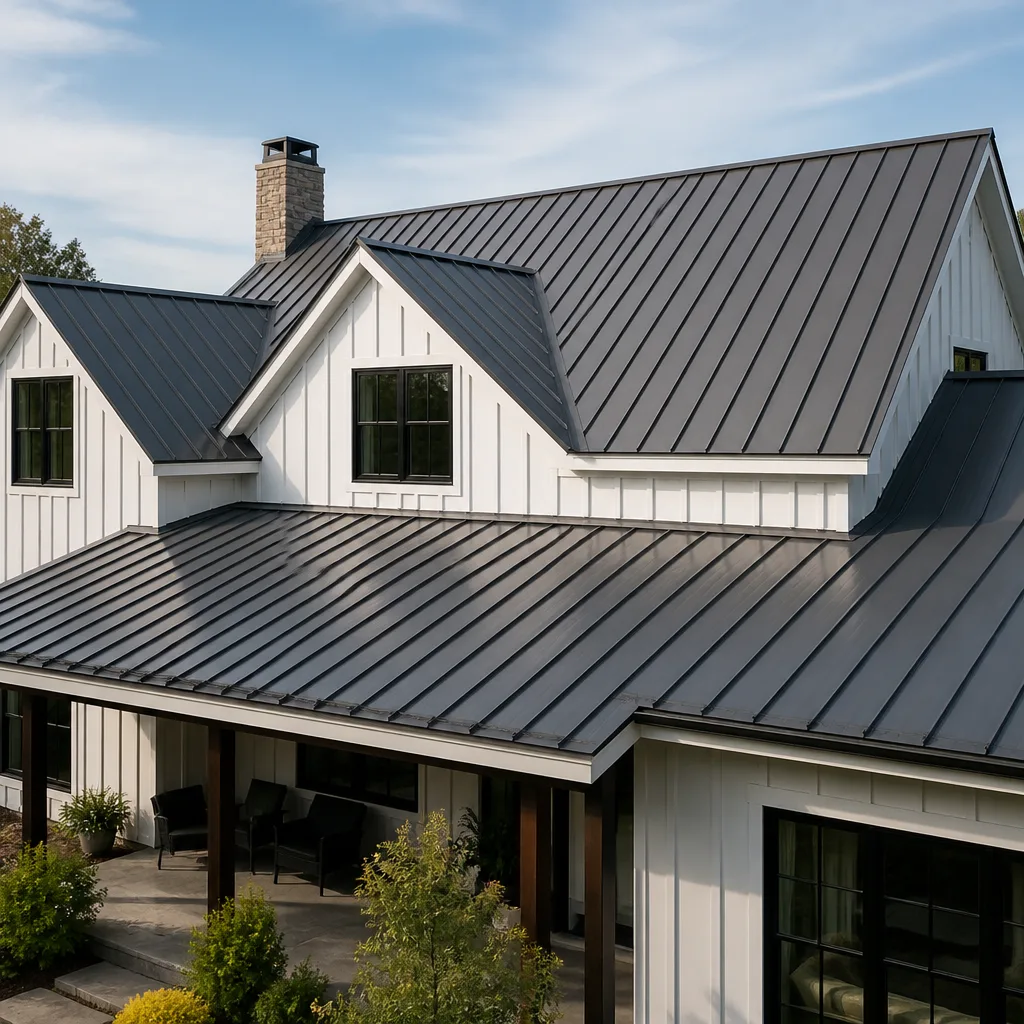 Metal roofing
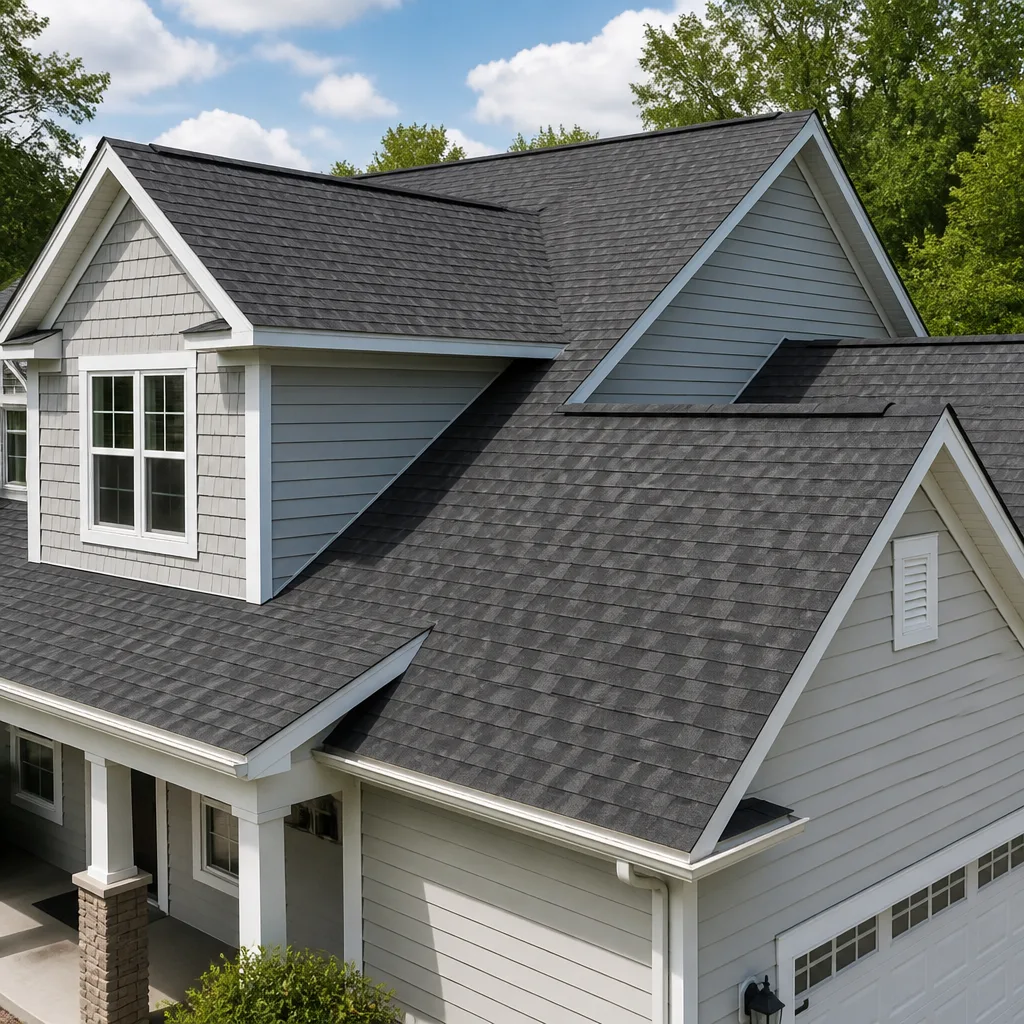 Architectural shingles
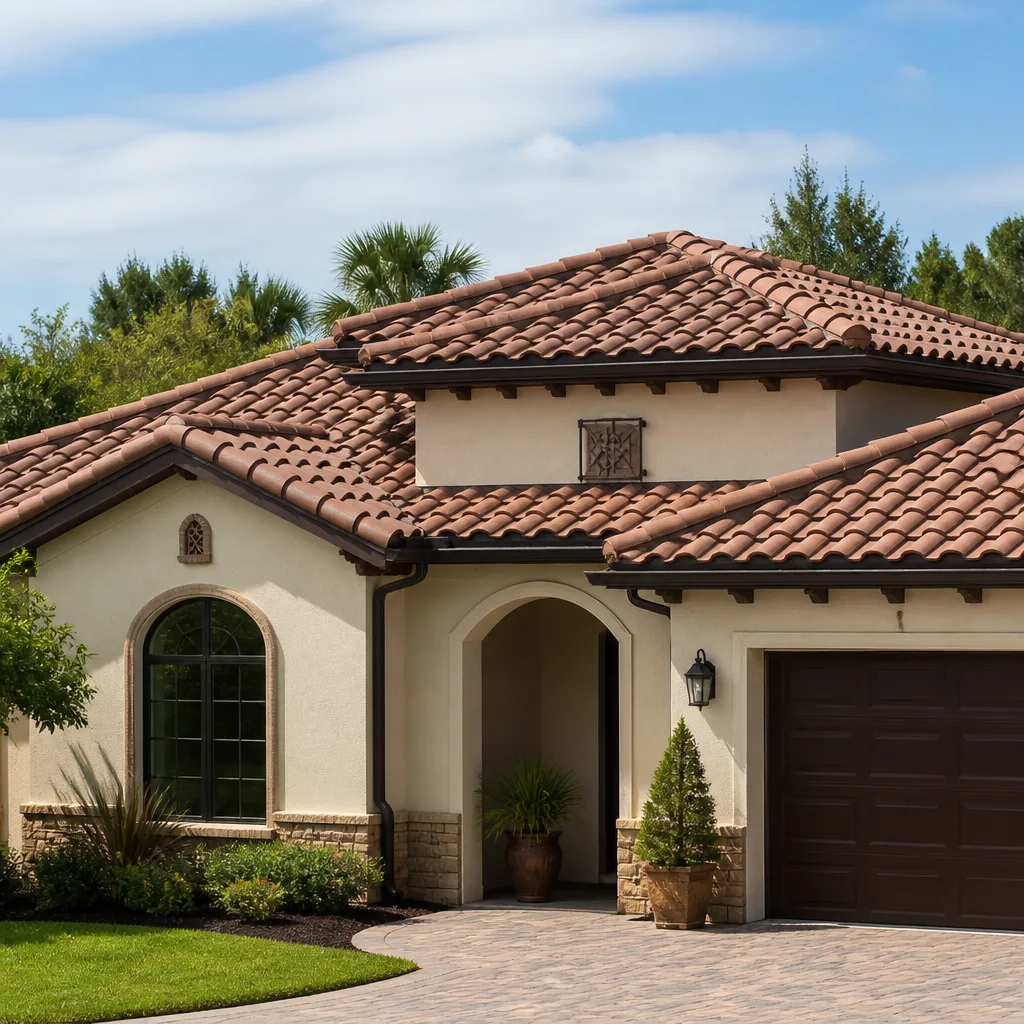 Tile roofing
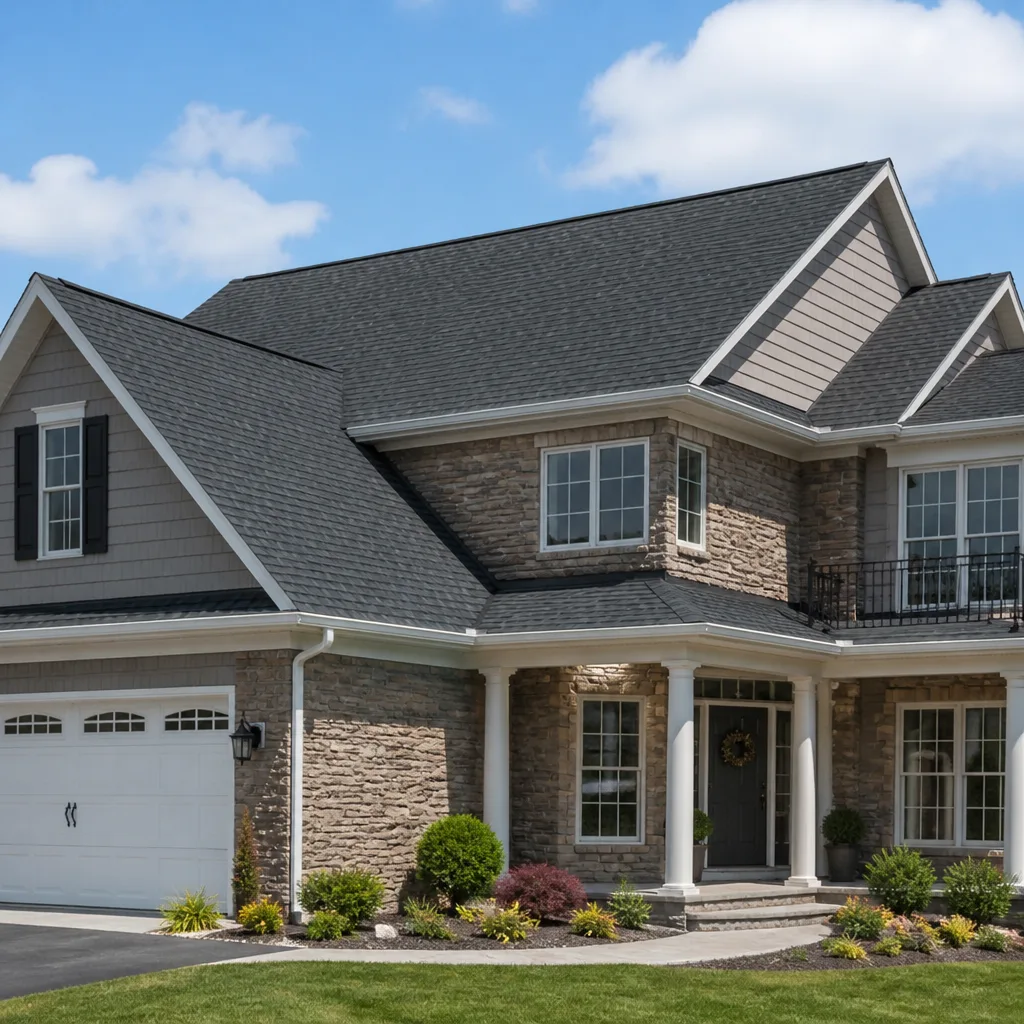 GAF
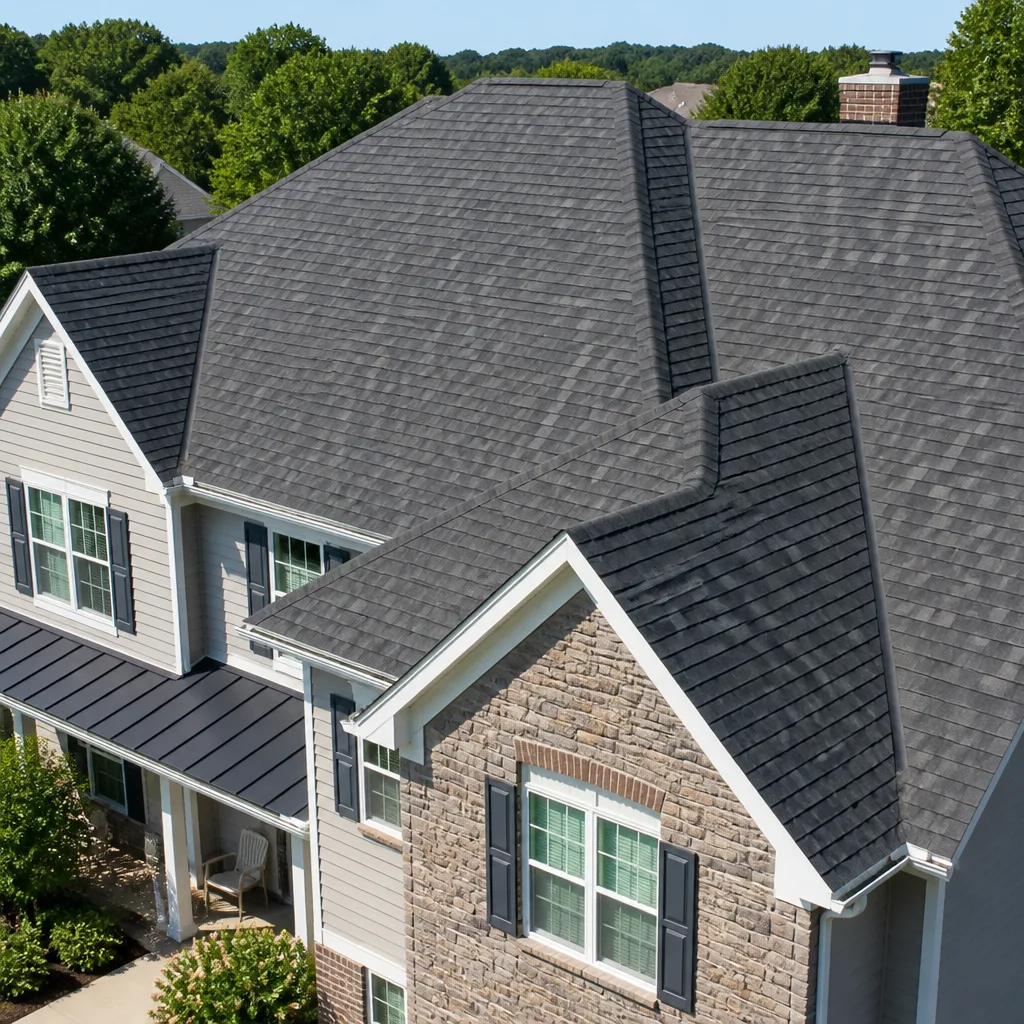 Owens Corning
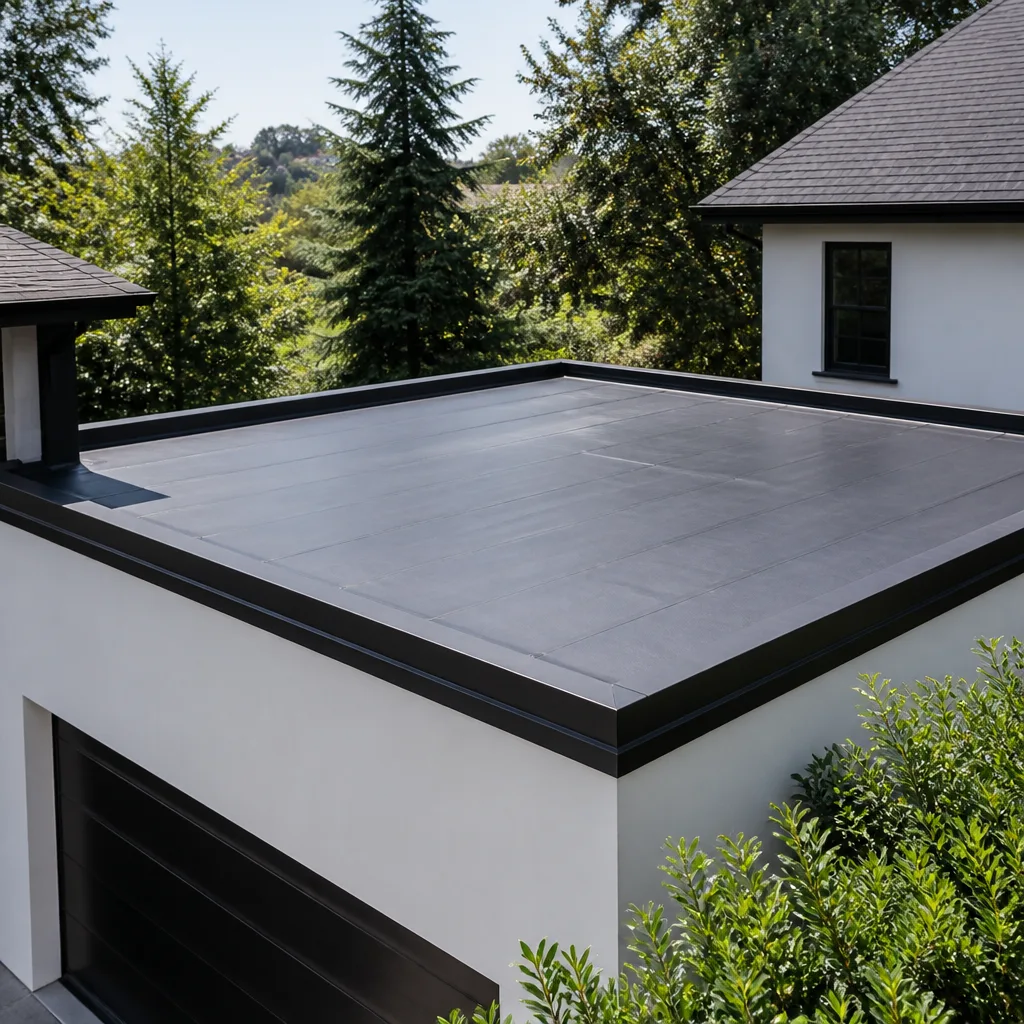 Flat & low-slope
Free roof inspection with deck photos before we talk money - GAF and Owens Corning certified installation
Choosing the Right Roofing Brand: A Buyer’s Guide for Huntington Beach
Every major shingle manufacturer offers a “lifetime” warranty. The wind speed at which that warranty voids, however, ranges from 60 mph to 130 mph depending on brand and product tier. In Huntington Beach, where Santa Ana gusts routinely top 70 mph and salt air works on fasteners year-round, that fine-print difference is not a marketing footnote. It is the difference between a roof that gets replaced on warranty after the next wind event and one that does not. This guide walks through the brand comparison points that actually matter for salt-air, high-UV, wind-exposed roofs in Huntington Beach, including the warranty specs, material tolerances, and contractor economics most homeowners never see. For The Complete Guide to Roofing in Huntington Beach, see our full resource library.
Styles & brands we work with
Quick Answer
The best roofing brand for a Huntington Beach home is the one whose wind warranty threshold, algae resistance rating, and coating chemistry match your specific roof profile and exposure. There is no single best brand, which is why we stock and install materials from seven manufacturers, including IKO, Atlas, Tamko, and Boral, and recommend based on roof inspection findings rather than brand loyalty.
Table of Contents
- The Three Warranty Terms That Actually Matter in Huntington Beach
- Shingle Brand Comparison: Where IKO, Atlas, and Tamko Actually Differ
- Concrete Tile in Huntington Beach: Boral and the Salt-Air Question
- Metal Roofing Systems: PVDF vs. SMP Coatings Under Coastal UV
- Why Some Contractors Push One Brand: The Contractor-Brand Relationship
- Product Selector Tools: What They Optimize For and What They Miss
- Why the Inspection Should Precede the Brand Conversation
- Common Mistakes to Avoid
- When to Call a Professional
- Frequently Asked Questions
- The Bottom Line
The Three Warranty Terms That Actually Matter in Huntington Beach
Shingle warranties are long documents written by lawyers, but three terms inside them do more work than everything else combined for a Huntington Beach roof. We’ll walk through each one. Bring these up when you talk to any roofing contractor and watch how quickly the conversation gets more honest.
1. Wind Speed Threshold
Most shingle warranties are voided if the roof fails in wind above a specific miles-per-hour threshold. That threshold is not standard across the industry. Economy shingles from major manufacturers often carry a 60 mph wind warranty. Mid-tier architectural shingles typically move to 110 mph. Premium lines with special sealants and heavier mats can reach 130 mph or beyond. In Huntington Beach, the difference between 60 and 110 mph is not theoretical. Santa Ana wind events routinely produce gusts in the 70 to 85 mph range inland and higher in some coastal corridors. A roof with a 60 mph warranty threshold can fail in conditions that are, for Huntington Beach, a normal bad-weather day, and the manufacturer will not pay for the replacement. The lesson is simple: do not select a shingle brand or product tier in Huntington Beach with a wind warranty threshold below 110 mph, and do not take the contractor’s word for the number. Ask to see the product’s technical data sheet or warranty document.
2. Algae Warranty Duration
Algae staining is the most common cosmetic roof complaint in coastal Southern California. The culprits are cyanobacteria, specifically Gloeocapsa magma, which feed on the limestone filler in asphalt shingles and leave dark streaks that get mistaken for water damage. Most shingle manufacturers now embed copper granules in the shingle surface to inhibit algae growth. The algae warranty duration varies significantly by brand and tier. Some product lines offer 10-year algae protection, others 15, and a few premium lines extend it to 25 or 30 years. Huntington Beach’s marine layer produces the exact humidity profile algae loves, so this is not a niche concern. A roof that looks aged and stained in year seven hurts curb appeal and, when you sell, gets flagged by home inspectors. When comparing shingle brands, ask for the algae warranty duration in writing, not the general “lifetime” warranty. They are separate things, and the algae coverage is the one you will actually look at in year ten.
3. Transferability to a New Buyer
Warranty transferability matters in Huntington Beach because homes here change hands. The average tenure in some Huntington Beach neighborhoods is shorter than the life of a shingle warranty. If the warranty transfers, you can represent it as a selling point. If it does not, the warranty ends when the title changes hands. Some manufacturers allow a one-time transfer for free or for a small fee. Others permit transfer only if the new owner registers within a specified window. Others void the warranty entirely on sale. This is a real financial difference for a Huntington Beach homeowner who sells in year eight of a 30-year warranty. Ask the contractor or the manufacturer directly: what happens to this warranty if I sell the house? Get the answer in the product literature, not in conversation.
Shingle Brand Comparison: Where IKO, Atlas, and Tamko Actually Differ
We install shingles from multiple manufacturers, including IKO, Atlas, and Tamko. Each brand has a specific engineering philosophy, and the differences show up in ways that matter for Huntington Beach. Here is what we’ve observed on actual roofs.
IKO
IKO’s architectural shingles tend to run at a competitive price point without sacrificing much on the core performance specifications that matter here. Their higher-tier architectural lines carry wind warranties in the 110 to 130 mph range, which clears the Huntington Beach bar. The granules are dense, and the dimensional profile is aggressive, which some homeowners prefer for a heavier look. The trade-off with IKO is less about performance and more about availability in certain colorways and the fact that their algae warranty duration can vary more sharply between product tiers than some other brands. If the budget is mid-range and the roof is a straightforward architectural shingle re-roof, IKO often makes sense. The Roof Replacement in Huntington Beach process with IKO is straightforward, and we can usually get material within a day or two when it’s in distributor stock.
Atlas
Atlas is the brand we point to most often for Huntington Beach homeowners who care about algae resistance and impact resistance in the same sentence. Their shingles use Scotchgard Protector, a copper-based treatment, and Atlas has historically been aggressive about algae warranty terms. Their premium lines also offer Class 4 impact resistance, which is worth considering if your roof takes debris in high wind, which happens in Huntington Beach when Santa Anas carry tree branches across yards. The trade-off is weight and sometimes cost. Some Atlas lines are heavier than equivalent tiers from other brands, which matters if the existing roof deck or the current underlayment is marginal. We see this most often in older Huntington Beach homes where the skip sheathing or decking hasn’t been touched since original construction.
Tamko
Tamko occupies an interesting spot in our brand portfolio. Their Heritage line is a workhorse architectural shingle that we install on a meaningful number of Huntington Beach roofs where the homeowner wants a proven product without a premium price for brand recognition. The wind warranty on their higher tiers is typically in the 110 to 130 mph range depending on the specific product and installation method. One thing to know about Tamko: their color palette runs toward warmer earth tones, which works well with a lot of Huntington Beach’s mid-century and Spanish-influenced architecture. If you’re looking at a Tamko product, ask specifically about the algae warranty on the exact color and product line, because the treatment can vary line to line.
Concrete Tile in Huntington Beach: Boral and the Salt-Air Question
Concrete tile roofs are common in Huntington Beach, particularly on higher-end properties and in neighborhoods with newer construction. When people ask us about concrete tile brands, Boral comes up more than any other, and for good reason. But the comparison criteria for concrete tile are different from shingles. The two things that matter most here are glaze durability under salt air and dimensional tolerance.
Salt air is hard on concrete tile. The salt crystallizes in surface pores, and over years of exposed coastal weather, untreated or poorly glazed tile can show surface spalling, pitting, and efflorescence. Boral’s higher-end tile lines use denser concrete mixes and tougher surface coatings, which is why we recommend them for Huntington Beach homes where the roof is within about a mile of the ocean or gets direct onshore wind. The glaze on Boral’s premium lines holds up measurably better in salt-laden air than economy tile products. The second issue, dimensional tolerance, matters when the tile has to be re-laid. After wind events in Huntington Beach, we walk roofs and find displaced tile that the homeowner didn’t even notice. If the tile was manufactured with tight dimensional tolerance, the re-laid tile seats properly and the roof sheds water correctly. If the tolerance is loose, the patched area can hold water and accelerate underlayment failure. This is a spec-sheet detail that never appears in marketing materials. When a tile roof is being quoted, ask what the manufacturer’s dimensional tolerance is and whether the specific tile profile is still in production. Discontinued profiles are a real problem on Huntington Beach remodel projects.
Metal Roofing Systems: PVDF vs. SMP Coatings Under Coastal UV
Metal roofing is a smaller share of the Huntington Beach market than shingle or tile, but we’re asked about it often enough that the coating question deserves a clear answer. The two main coil coating systems are PVDF (polyvinylidene fluoride, sold under brand names like Kynar 500) and SMP (silicone-modified polyester). The difference in coastal performance is not subtle.
PVDF coatings are the premium choice for any metal roof within salt-spray range of the Pacific. PVDF forms a tougher molecular bond, resists chalking and fading longer, and holds up better to the combination of UV exposure and airborne salt that defines Huntington Beach’s rooftop environment. A PVDF-coated standing seam panel can reasonably expect 30-plus years of cosmetic performance before significant fade. SMP coatings are less expensive, and that’s their main argument. But under sustained coastal UV, SMP chalks faster and loses gloss sooner. On a Huntington Beach roof, an SMP-coated metal roof may look faded and tired at the 15-year mark. The cost difference between PVDF and SMP coated metal is real, often in the range of 15 to 25 percent of the material cost, but it buys you what is effectively a second roof lifespan in cosmetic terms. If the metal roof is a long-term decision for a home you plan to keep, spec PVDF. If it’s a shed, an awning, or a structure with a shorter time horizon, SMP may be acceptable. We quote both and will tell you which one makes sense for the structure and the budget.
Why Some Contractors Push One Brand: The Contractor-Brand Relationship
Here is a piece of the roofing industry most homeowners never see clearly. Many roofing contractors are certified installers for one brand. They attend the factory classes, they get the credential, and they get preferential pricing or rebate programs from that manufacturer. The result is a contractor whose entire sales process is built around one brand, because that brand is the path to their best margin and their marketing story. The homeowner gets a take-it-or-leave-it recommendation. This is not corruption. It is economics. But it is also not necessarily what your roof needs.
We carry a seven-brand portfolio, which includes GAF, CertainTeed, Owens Corning, IKO, Atlas, Tamko, and Boral, specifically so that the product recommendation follows the roof’s needs and the homeowner’s budget, not our inventory or our rebate schedule. Seven brands. One contractor. Here is the practical test you can run in any sales conversation. Ask the contractor: what other brand would you install on this roof if the brand we’re discussing were unavailable for three months? A single-brand contractor will stammer or pivot to why their brand is the only one worth considering. A multi-brand contractor will answer with a specific alternative and explain the trade-off. That question tells you more about the contractor’s business model than any written estimate. It also matters for supply chain reasons. If one brand is backordered, which happens, a multi-brand contractor can pivot to an alternative immediately. A single-brand contractor puts you on a waitlist.
Product Selector Tools: What They Optimize For and What They Miss
Every major shingle manufacturer has a product selector on their website. You input your zip code, maybe your wind zone, your aesthetic preference, and you get a product recommendation. These tools are useful for one thing: narrowing the product line. They are not useful as a final decision engine, because they optimize for the manufacturer’s product mix, not for your roof’s local performance requirements.
What a product selector does well is help you understand which product tiers exist and what the visual differences are between them. What it does not do well is incorporate Huntington Beach-specific variables. It does not know that your home sits in a canyon that channels Santa Ana wind. It does not know that your roof has a north-facing slope that stays damp from marine layer and is an algae magnet. It does not know your existing roof deck condition, your underlayment, or whether your flashing details need a specific product characteristic. Here is the process we recommend, as a numbered list:
- Run the manufacturer’s product selector tool for one or two brands you’re considering. Note the product lines it recommends. That gives you a starting set.
- Pull the technical data sheet for each recommended product line. Look specifically at the wind warranty threshold, the algae warranty duration, and the impact rating.
- Walk your roof with a contractor who does Roof Inspection in Huntington Beach as a standalone service, not as a sales gimmick. Note the actual conditions: slope orientation, existing ventilation, deck condition, flashing age.
- Compare the product’s spec sheet against the inspection findings. If the product tool recommended an economy shingle but the inspection found a wind-exposed slope, the tool is wrong and the spec sheet is right.
The tool gives you a product shortlist. The inspection gives you the decision criteria. We have yet to see a product selector that handles the second part.
Why the Inspection Should Precede the Brand Conversation
One of the most common mistakes we see in Huntington Beach is homeowners calling around for brand-specific quotes before anyone has actually looked at the roof. The brand question is the second decision, not the first. If the roof deck is soft, the flashing is failing, or the ventilation is inadequate, the brand of shingle you install is secondary to the repairs that have to happen underneath. We inspect first, recommend second.
This matters in Huntington Beach specifically for two reasons. First, a meaningful number of homes here are older, and roof decking from the mid-century era often does not meet current nailing requirements, which means it has to be re-nailed or partially replaced before a new roof can be installed. That’s a repair-line item, not a brand-line item. Second, Huntington Beach’s proximity to the coast means underlayment selection matters more than the shingle brand in some respects. A high-grade synthetic underlayment with a good vapor profile will do more to protect the roof deck than an upgraded shingle on top of cheap felt paper. If you start with the brand, you get the brand conversation before the conditions conversation. If you start with the inspection, you get the conditions conversation first, and the brand decision becomes grounded in what the roof actually needs.
This is also why we offer roof inspection as a standalone service. Homeowners in Huntington Beach can get an honest condition report without committing to a repair or replacement. The inspection tells you whether the roof is a candidate for repair or whether a full replacement is the rational financial move. Roof Repair in Huntington Beach is sometimes the correct answer, and if that is what the inspection shows, that’s what we’ll recommend. From the first inspection to the final shingle, the whole process stays under one relationship, which eliminates the hand-off gaps that cause miscommunication when one company inspects and another installs.
Common Mistakes to Avoid
- Comparing “lifetime” warranties without reading the wind threshold. A lifetime warranty at 60 mph is not the same product class as a lifetime warranty at 130 mph. In Huntington Beach, this is the single most expensive misunderstanding in residential roofing.
- Selecting a shingle color without evaluating algae performance. Darker shingles show algae staining more visibly than lighter ones, and on a north-facing slope in Huntington Beach’s marine layer, this matters in year six, not year twenty.
- Choosing metal roofing with an SMP coating to save money on a coastal roof. The upfront savings disappear in fading and chalking within 15 years. PVDF coatings are the right spec within salt-spray range of the Pacific.
- Assuming a concrete tile roof never needs underlayment replacement. The tile may last 50 years, but the underlayment underneath typically fails at 20 to 30. In Huntington Beach, salt air accelerates this timeline. Inspect the underlayment, not just the tile.
- Trusting a single-brand contractor without asking the alternative-brand question. If the contractor cannot name another brand they would install and explain the trade-off, they are selling their inventory, not your roof.
- Skipping the standalone inspection and moving straight to replacement quotes. You cannot make a rational brand decision on a roof you haven’t had inspected. The inspection is the foundation, literally and figuratively.
- Forgetting to verify warranty transferability before choosing a product. If you sell the house in seven years, a warranty that dies on sale is a warranty you paid for and never used. Ask before you sign.
When to Call a Professional
If your roof is over 15 years old, if you see granule buildup in the gutters, if you’ve had any leak evidence on ceilings or in the attic, or if you’re planning to sell a Huntington Beach home in the next few years, get a roof inspection before you start comparing brands. The questions in this guide only become answerable once someone has walked the roof and documented its actual condition. If you’re in the middle of a leak and trying to diagnose the source from the ground, the same thing applies; leaks are rarely where the water shows up inside. Huntington Beach Roofers offers free estimates in Huntington Beach; call (833) 467-4901 to schedule a roof inspection and get a straight answer on what the roof actually needs. Browse more guides & resources on our blog.
Frequently Asked Questions
The best brand for a Huntington Beach coastal home is one with a wind warranty threshold at or above 110 mph, an algae warranty of at least 10 years (preferably longer), and a coating or granule treatment specifically designed for salt-air exposure. We install from a seven-brand portfolio including IKO, Atlas, Tamko, and Boral so the recommendation can match the specific roof rather than a single brand relationship. Huntington Beach Roofers homepage has more about our brand portfolio and how we recommend materials.
Roof replacement cost in Huntington Beach varies by roof size, material type, and existing deck condition. We provide free estimates and line-item quotes so you can see exactly where the money goes, but a specific number requires an inspection. Call (833) 467-4901 to schedule a free estimate.
Yes, in many cases. If the roof deck is sound, the flashing is intact, and the damage is localized, a targeted repair can extend the roof’s service life by years. We offer roof repair as a standalone service and will tell you honestly whether repair or replacement makes more financial sense for your particular roof. See The Complete Roof Repair Guide for Huntington Beach Homeowners for what to expect.
We quote fixed pricing with no change orders on roof replacement and repair work unless the roof deck reveals conditions that were not visible during the inspection, such as rotted sheathing hidden under old shingles. If a change order is ever needed, you’ll approve it in writing before any additional work proceeds. The quote you sign is the price you pay.
Yes. Roofing work in Huntington Beach requires permits, and we pull them as part of the job. The permit process and inspections are handled by us, and the work is not closed out until the final inspection passes. If a contractor suggests skipping permits, treat that as a warning sign.
Most asphalt shingle roof replacements in Huntington Beach take between one and three days for tear-off and installation, depending on roof size, slope, and the condition of the decking underneath. Concrete tile and metal roofing take longer. We’ll give you a specific timeline as part of your free estimate.
The Bottom Line
Roofing brand selection in Huntington Beach is a spec-sheet decision disguised as a marketing decision. The right brand is the one whose wind warranty threshold clears 110 mph, whose algae warranty lasts at least a decade, whose coating or granule treatment handles salt air, and whose warranty transfers when you sell. None of that is knowable without a roof inspection. The process should go: inspect, identify conditions, compare brands on those conditions, then decide. We carry a seven-brand portfolio so the material can match the roof’s needs and the homeowner’s budget, not the contractor’s inventory. Call (833) 467-4901 to schedule your free estimate.
Written by the team at Huntington Beach Roofers, serving Huntington Beach since 2018.
See the difference
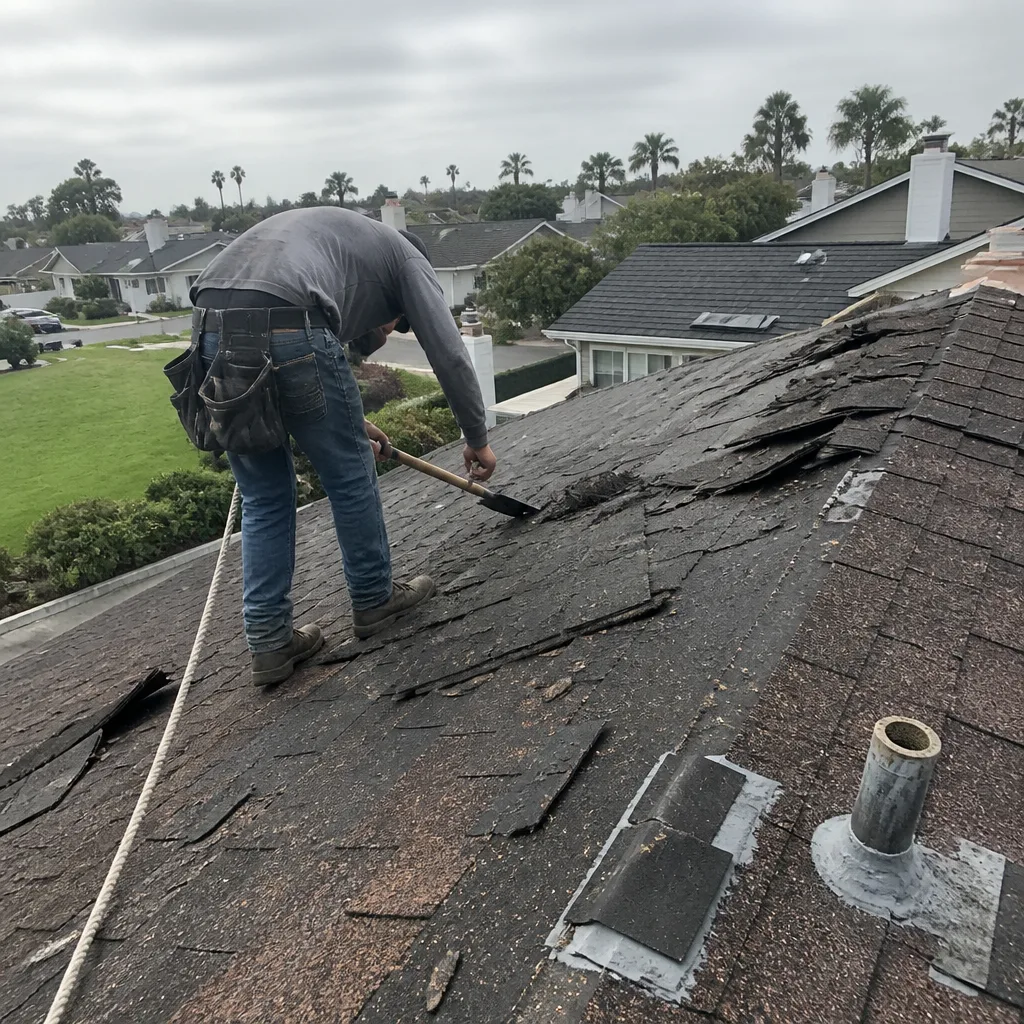 Before
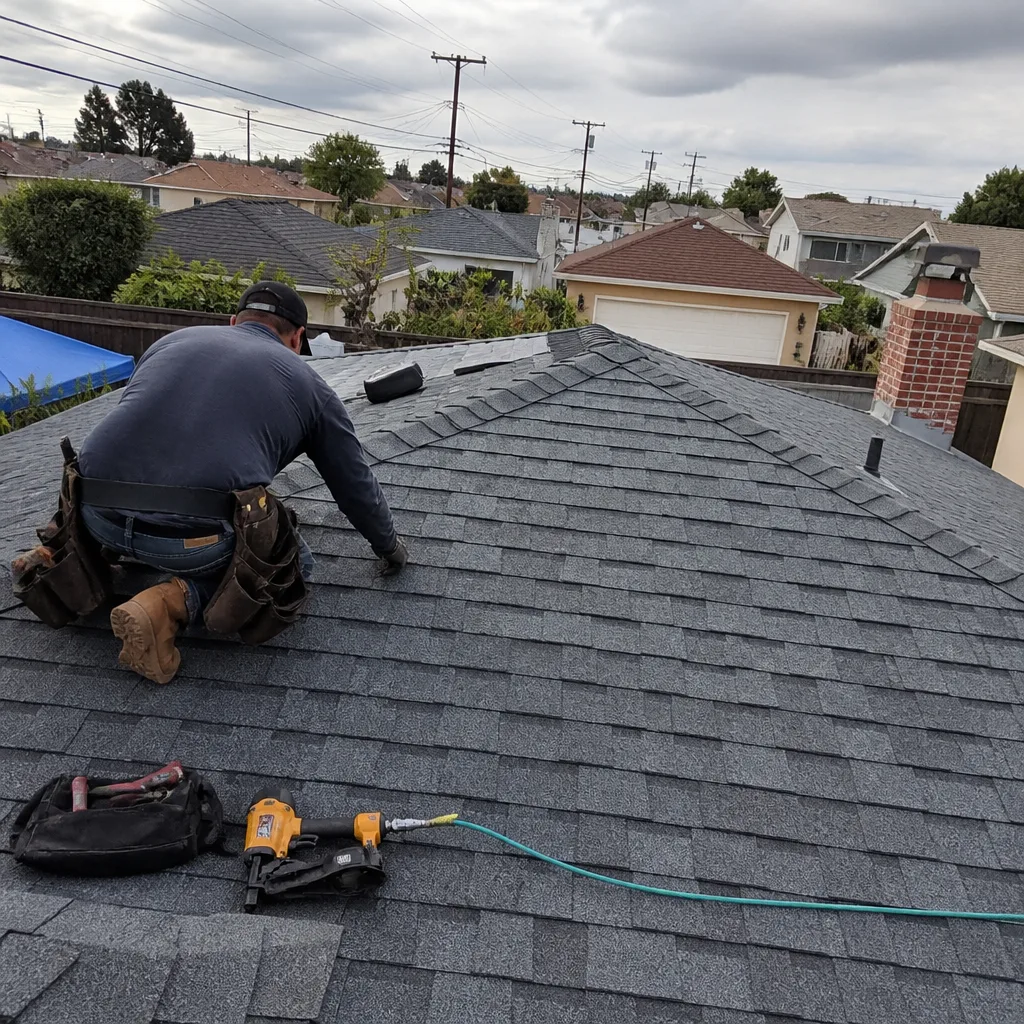 After
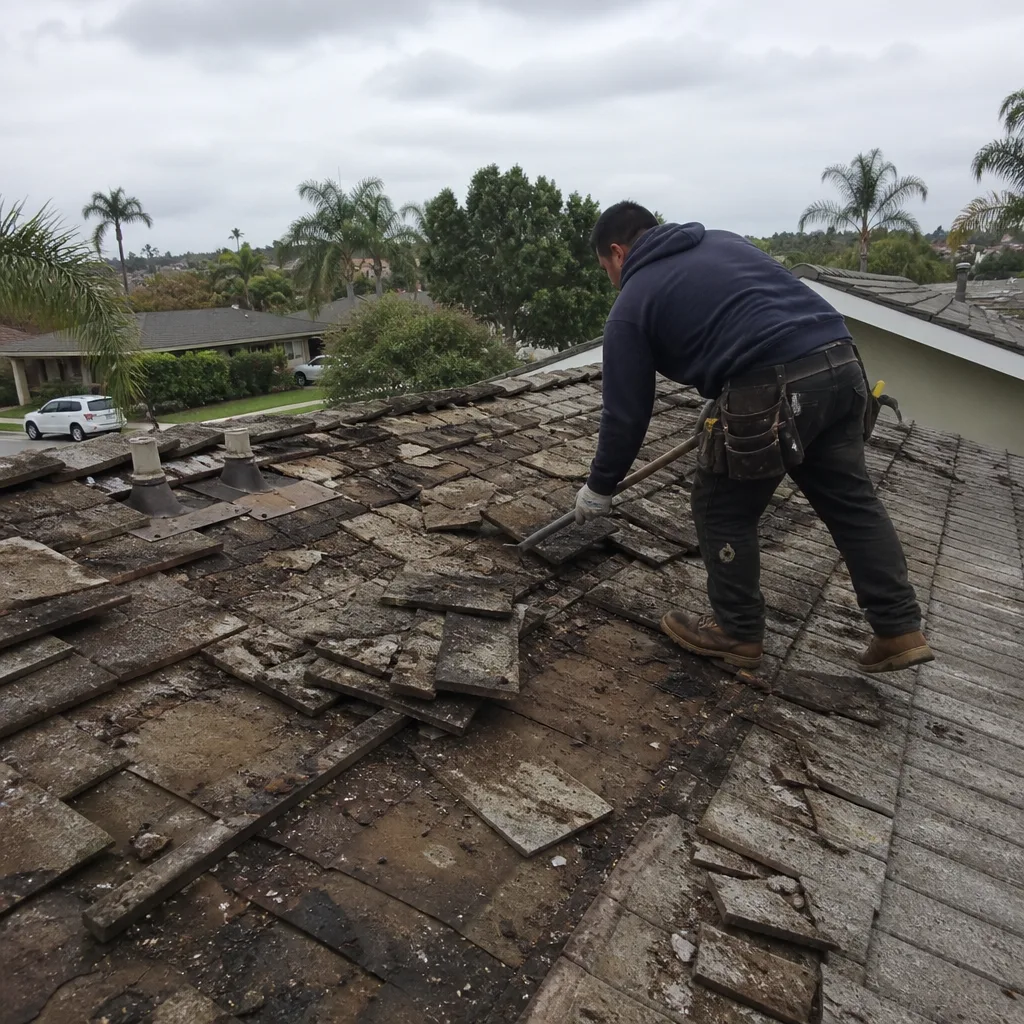 Before
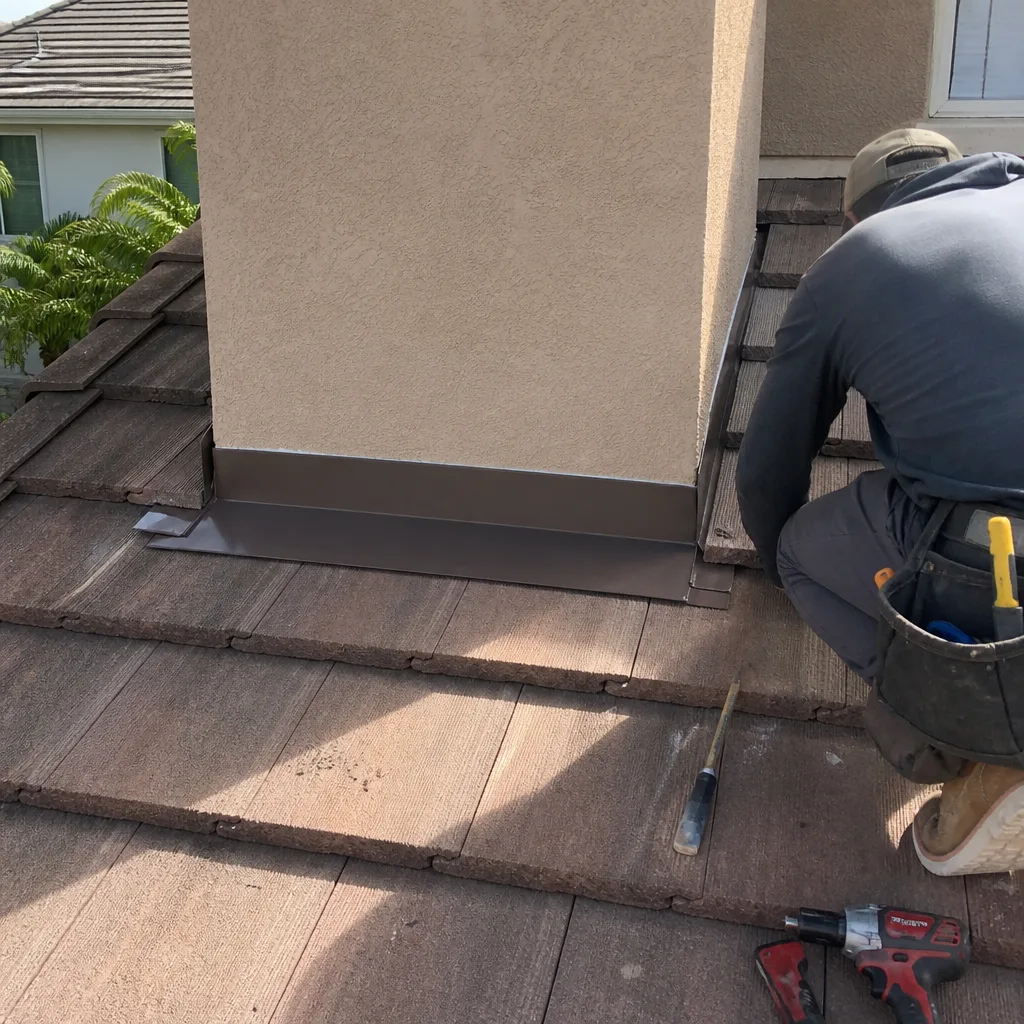 After
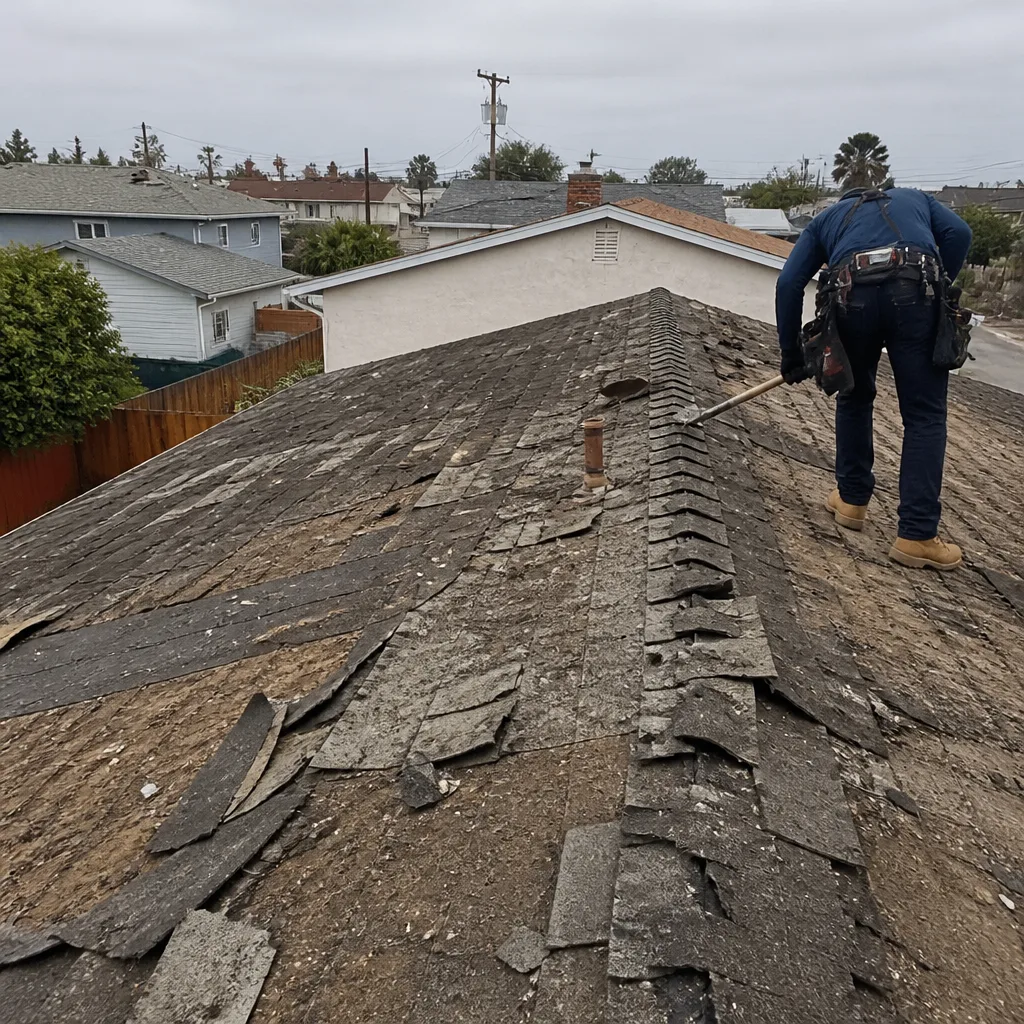 Before
 After