
Last updated October 31, 2026
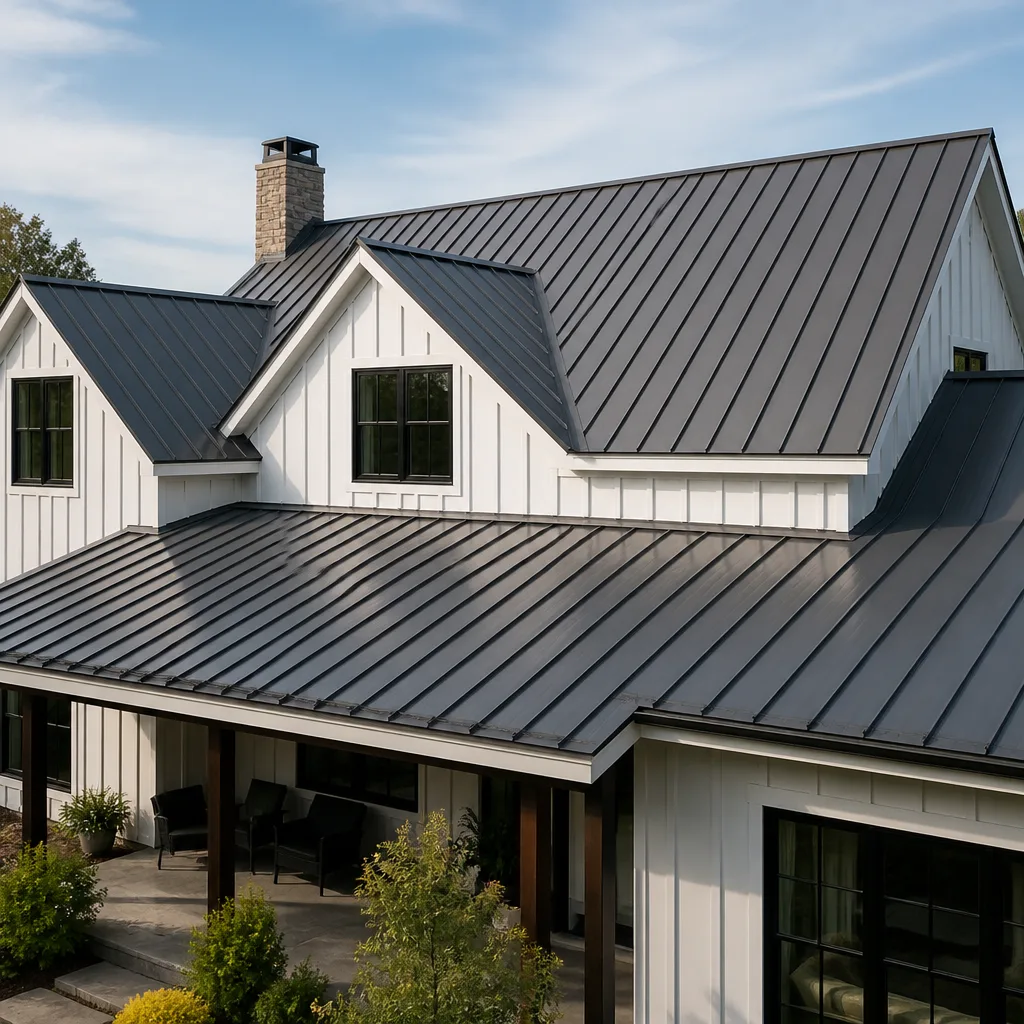 Metal roofing
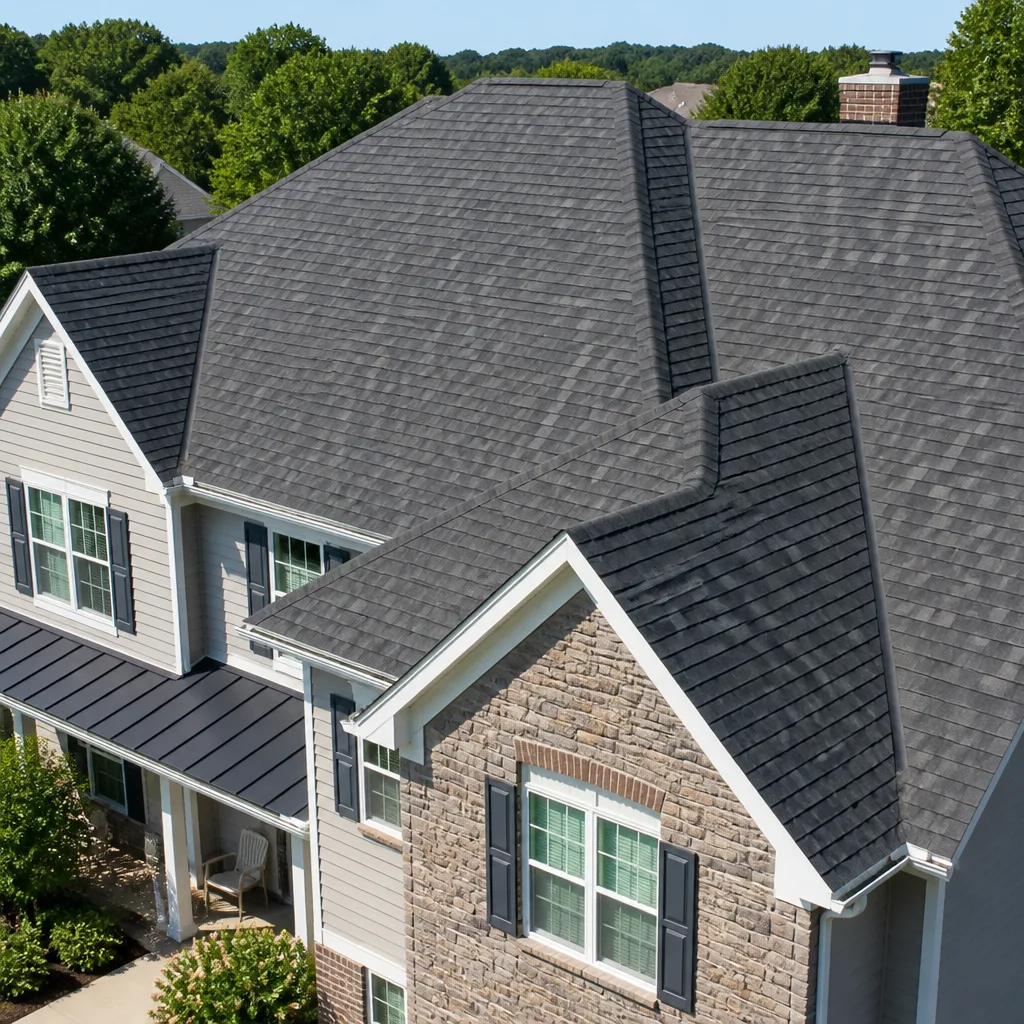
 Architectural shingles
 Tile roofing
 GAF
 Owens Corning
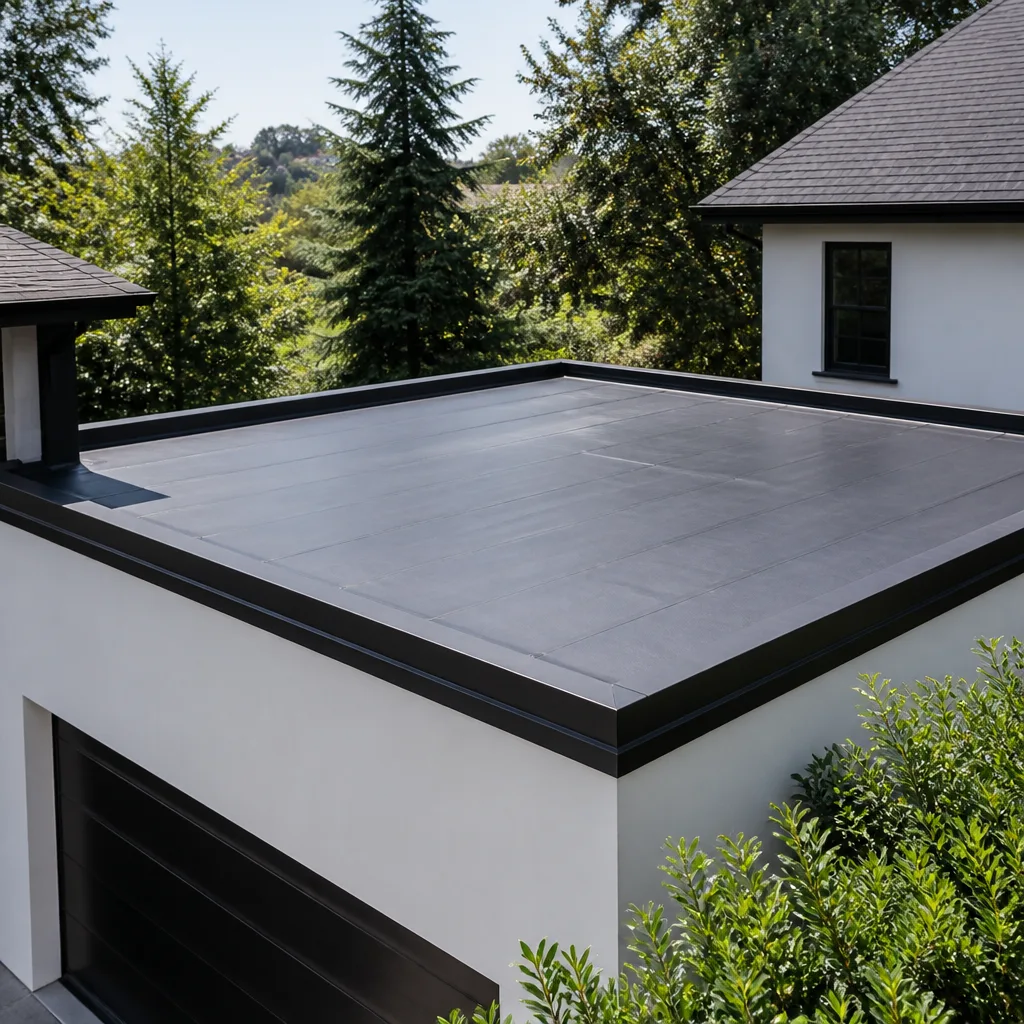 Flat & low-slope
Free roof inspection with deck photos before we talk money - GAF and Owens Corning certified installation
Seasonal Roofing Care for Huntington Beach: Year-Round Homeowner’s Guide
Huntington Beach gets roughly 280 sunny days a year, which sounds like a roof’s best friend. But sustained UV at this latitude without the temperature swings that push debris off northern roofs means organic material accumulates in valleys and gutters year-round, not just in fall. That buildup traps moisture against shingles and tile underlayment, and the sun does the rest. This guide breaks down what Huntington Beach homeowners should check each season, what’s safe to handle yourself, and when the smart move is hiring a contractor who inspects first and recommends second.
Quick Answer
Seasonal roof care in Huntington Beach means working around three stress windows rather than four traditional seasons: the summer UV peak, the fall Santa Ana period, and winter’s concentrated rainfall. The most effective maintenance rhythm is a visual check each change of season, gutter clearing before November, an attic inspection after the first hard rain, and a professional roof inspection every one to two years. Most of this costs nothing but time; the alternative is deferred damage that compounds in Huntington Beach’s salt air and sun.
Styles & brands we work with
Table of Contents
- Summer (June – September): The UV Degradation Window
- Fall (October – November): Pre-Santa Ana and Pre-Rain Prep
- Winter (December – February): Concentrated Rainfall Response
- Spring (March – May): Post-Rain Inspection and Biological Growth
- What a Homeowner Can Safely Do vs. What Needs a Contractor
- How Huntington Beach Conditions Affect Different Roofing Materials
- How Often to Schedule a Professional Roof Inspection
- Common Mistakes to Avoid
- When to Call a Professional
- Frequently Asked Questions
Summer (June – September): The UV Degradation Window
In Huntington Beach, summer is when your roof works hardest. Not because of storms or snow load, but because of relentless ultraviolet radiation hitting asphalt shingle surfaces at a low coastal latitude. A dark shingle on an 85-degree August afternoon can reach surface temperatures of 140 to 160 degrees. That heat doesn’t just sit on top; it radiates downward through the shingle mat and into the attic space below. The result is accelerated oxidation of the asphalt itself, which is the binder holding the shingle together. Oxidation makes shingles brittle. Brittle shingles crack at the edges, lose granules faster, and become vulnerable to wind uplift during Santa Ana events later in the year.
What we’ve seen in Huntington Beach specifically, after years of inspection work here, is that the summer damage pattern is predictable once you know what to look for:
- Granule loss in the valleys and field areas. Some granule loss is normal over the life of any asphalt shingle. But if you’re seeing bare asphalt patches or a consistent stream of granules in gutters during a dry month, that’s UV degradation, not storm damage.
- Blistering versus normal wear. Blistering shows up as small, raised bubbles on the shingle surface, often in areas with high sun exposure and poor attic ventilation. They look metallic or shiny when the sun hits them at the right angle. Blisters that pop leave exposed asphalt that degrades rapidly.
- Curling at shingle edges and corners. This is often a ventilation problem first and a UV problem second. A roof with insufficient attic exhaust traps heat against the underside of the sheathing, cooking the shingles from below while the sun cooks them from above.
- Fading that’s uneven across the roof plane. South-facing and west-facing slopes in Huntington Beach lose color faster than north-facing ones. Uneven fading by itself isn’t a structural problem, but it’s a signal those sun-blasted slopes are aging faster than the rest of the roof.
Attic Ventilation’s Role in Summer Heat
This is the piece most Huntington Beach homeowners miss. A properly vented attic keeps shingle-back temperatures lower by letting hot air escape rather than radi radiating downward. Ridge vents, box vents, or soffit vents all work, but they need to be sized correctly and not blocked by insulation. If your upstairs rooms are noticeably hotter than the rest of the house in summer, or if you can feel heat pressing down from the ceiling on a warm evening, your attic ventilation is likely underperforming. That heat isn’t just a comfort issue; it’s aging your roof from the inside. A Roof Inspection in Huntington Beach includes a ventilation assessment, because we can’t give you an honest condition report on your shingles without understanding the heat environment they’re living in.
Fall (October – November): Pre-Santa Ana and Pre-Rain Prep
Fall in Huntington Beach is the deceptive season. The weather is pleasant, the tourists thin out, and the roof gets ignored. But October and November bring two specific threats: Santa Ana wind events and the first winter rain. Both do more damage when gutters, valleys, and flashings have been left unattended through the summer.
The sequence matters. Before the first Santa Ana event, you want gutters and valleys clear so that fallen leaves and accumulated summer debris don’t get driven into downspouts and valley flashing. Before the first rain, you want pipe boots, step flashing, and ridge cap checked for any opening moisture can exploit. Running both checks in one late-October pass works for most homes.
- Clear gutters and downspouts before the leaves drop. In Huntington Beach’s dry climate, tree litter accumulates in gutters all summer, not just in fall. Pine needles from ornamental pines, eucalyptus bark, and coastal sage debris all break down slowly in dry conditions, forming a mat that holds water when rain arrives. Water backing up under the eave edge is one of the most common fall failures we see in this city.
- Check ridge cap mortar on tile roofs. Tile roofs in Huntington Beach neighborhoods like Edwards Hill or Glen Mar frequently develop cracked or missing mortar at the ridge line during the summer heat cycle. Santa Ana winds will find those gaps and lift loose tiles. A rapid visual sweep with binoculars from the ground can spot missing or shifted ridge cap sections.
- Verify pipe boot integrity. The rubber boot around plumbing vent pipes degrades in coastal sun faster than most homeowners expect. After five to seven years, the rubber can crack and separate from the pipe. This creates a small opening that leaks slowly during rain, and the water often tracks along a rafter before showing up as a ceiling stain nowhere near the pipe.
- Trim overhanging branches. Santa Ana winds turn tree limbs into abrasion tools. A branch that brushes against the roof in a normal breeze will scrape shingle granules or chip tile in a 40 mph gust.
If you’re doing this work yourself, stay on the ground or use a ladder at the eave line. For anything that requires walking the roof surface, particularly tile, that’s a Roof Repair in Huntington Beach call. We handle these pre-season maintenance items routinely, and catching a failed pipe boot in October costs a fraction of repairing the water damage it causes in January.
Winter (December – February): Concentrated Rainfall Response
Huntington Beach gets most of its annual rainfall between December and February, often in a handful of concentrated events rather than spread evenly across the season. A roof that handles a steady drizzle without complaint can fail during a two-inch-in-six-hours event, because the failure point is always the same: water volume exceeding what the drainage system was designed to move.
The first hard rain of the season is your most valuable diagnostic tool. Here’s the sequence we recommend for Huntington Beach homeowners:
- During the rain, watch the exterior. Are gutters overflowing at the downspout connections? Is water sheeting over the gutter edge rather than into it? Is any water running down the fascia board? These point to drainage problems rather than roof surface failures.
- During the rain, check the attic. Take a flashlight up and look for any water staining on the underside of the roof sheathing. You’re looking for dark spots, water streaks, or dripping. Check around pipe penetrations, chimney flashing, and any roof-to-wall intersections first, because those are the highest-frequency leak points.
- After the rain stops, check the ceiling. Some leaks travel slowly along rafters and show up as ceiling stains 24 to 48 hours after the rain ends. Catching a stain early means a smaller repair area.
- Document what you find. Photos with a timestamp, especially of attic staining, are worth keeping. If you end up filing an insurance claim, having pre-damage documentation helps establish the timeline.
One point we make to every Huntington Beach client: a small, intermittent leak in a winter rain event is not something to wait on. The water you see in the attic is only part of what’s entering the roof assembly. Moisture that gets trapped between the roof surface and the sheathing grows mold and rots wood, and another rain event a month later compounds the damage. If you find attic moisture during a winter rain, call us. The fix is almost always smaller than the fix will be in March.
Spring (March – May): Post-Rain Inspection and Biological Growth
Spring in Huntington Beach is when winter’s damage becomes visible. The rain has stopped, the days are warming, and the moisture left behind from winter storms has had a few weeks to work on anything that got soaked. This is also when biological growth shows up on shaded roof sections.
A March or April visual sweep is worth doing for three reasons. First, if any tiles were lifted or flashing was displaced by winter winds, you’ll see it now, and catching it before next winter means a $200 repair instead of a $2,000 water damage claim. Second, moss and algae growth is most visible in spring, especially on north-facing slopes and under tree canopy in neighborhoods with mature landscaping like Seacliff or the older sections of Huntington Beach. Third, the spring inspection gives you a clear picture of what your roof needs before summer heat sets in, when any repair work is more comfortable to schedule and complete.
For biological growth: moss and algae on an asphalt shingle roof is generally a cosmetic issue at first, but it holds moisture against the shingle surface and can accelerate granule loss over time. On tile roofs, moss can lift tiles and crack the water channel. If you’re seeing moss on a north-facing section, the fix is usually a soft wash with a targeted cleaning solution, not a pressure washer at close range. Pressure washing at the wrong angle will strip granules off asphalt shingles and can chip tile edges. This is one of those tasks where the contractor method matters more than the product used.
Huntington Beach’s spring is also an ideal time for replacement planning if your roof is in its last few years. You can schedule a Roof Replacement in Huntington Beach well before the next rain season, and you’ll have the best weather window for installation.
What a Homeowner Can Safely Do vs. What Needs a Contractor
This is the section where we ask you to be honest about your own comfort with heights and ladder work. No roof maintenance task is worth a fall. The rule we use with our Huntington Beach clients is simple: if the task requires stepping onto the roof surface, it’s a contractor job unless you have specific training and proper safety equipment.
Safe for a homeowner from the ground or eave line:
- Visual inspection with binoculars from two or three ground positions around the house
- Clearing gutters from a ladder positioned at the eave line (with the ladder secured and a spotter holding it)
- Photographing suspected problem areas from the ground for documentation
- Checking attic spaces for moisture staining after rain
- Trimming small branches that overhang the roofline, using a pole saw from the ground
- Looking for granules in gutter debris as an early wear indicator
Requires a professional contractor:
- Walking any roof surface, especially tile, which cracks under foot traffic and creates very real fall hazards. Tile roofs in Huntington Beach’s mid-century neighborhoods were often installed on battens, and a cracked tile can give way under body weight.
- Repairing flashing of any kind, including pipe boots, step flashing, valley flashing, and chimney flashing
- Replacing cracked or slipped tiles
- Patching or sealing around skylights, vents, or other penetrations
- Cleaning moss or algae with any method that involves being on the roof surface
- Any assessment of ridge cap integrity from above the roofline
The pattern: ground work is fine, elevated work is not. A contractor’s workers’ compensation policy and fall protection equipment exist for a reason.
How Huntington Beach Conditions Affect Different Roofing Materials
One of the reasons we carry materials from seven manufacturers instead of specializing in a single brand is that Huntington Beach’s specific climate conditions favor some products over others, and the right answer changes based on the individual roof’s pitch, orientation, and surrounding vegetation. We don’t recommend a product until we’ve looked at the roof.
For asphalt shingles, specifically, the deciding factor in coastal Huntington Beach is almost always UV resistance and wind rating rather than color or cost. Products from manufacturers like Atlas and IKO both produce lines designed for high-wind coastal regions, but their performance characteristics differ. An Atlas StormMaster line product may be the right call for a home in the wind-exposed sections of Huntington Beach’s south side, while an IKO Nordic or Dynasty line might be a better match for a roof on a sheltered lot where wind isn’t the primary stressor. The point isn’t the brand name; it’s that the recommendation follows the roof, not the other way around.
For tile, which covers a significant percentage of roofs in Huntington Beach’s older neighborhoods, the manufacturer aspect matters less than the underlayment. Tile is a rain-shedding system, not a waterproof membrane, and the underlayment is what actually keeps water out of the house. Any tile roof inspection in Huntington Beach should include an assessment of the felt or synthetic underlayment condition, because tile that looks fine from the ground can be sitting on degraded felt that leaks water even while the tiles remain in place.
For concrete tile specifically, the coastal salt air isn’t the primary enemy; the weight load and the fastening system are. Loose tiles, broken tiles, and missing ridge cap mortar are the three most common failures we see on tile roofs in this city. For composition shingle roofs, the failure pattern is granule loss, pipe boot degradation, and insufficient ventilation. The material matters because the problems differ, and the inspection checklist has to match the material.
If you’re weighing a replacement and want to understand the brand options available, Tamko and Boral both produce lines that are well represented in Southern California, and we’re authorized to install from all seven of our manufacturer partners. Seven brands, one contractor. That means you’re choosing based on what fits the roof and the budget, not what’s on the warehouse shelf.
How Often to Schedule a Professional Roof Inspection
The reason to have a professional inspection at all, rather than relying on your own seasonal visual checks, is access and experience. A professional inspector walks the roof surface, checks for specific failure patterns, and documents everything with photos. For most Huntington Beach homeowners, the right cadence is every one to two years, with a few exceptions:
- After any wind event with gusts above 50 mph. Santa Ana events in Huntington Beach occasionally hit these speeds, particularly in the wind-prone corridors. A post-event inspection catches lifted flashing before the next rain.
- Before a real estate transaction. A pre-sale Roof Inspection in Huntington Beach gives you a condition report you can show buyers, which is real documentation, not a verbal assurance.
- When you notice any interior ceiling staining. By the time water shows up inside, it’s usually been entering for weeks.
- If the roof is more than 15 years old. Asphalt shingle roofs in coastal Southern California typically last 20 to 25 years, but the last third of that life span is when small problems compound fastest.
Inspection is a standalone service for us, not a sales vehicle. We inspect first, recommend second. If the roof has years of life left and just needs a repair, that’s what we tell you. If it’s near the end and patching it would be throwing money away, we’ll tell you that too and back it up with photos.
Common Mistakes to Avoid
- Skipping the attic check after the first hard rain. The first concentrated rain of winter is the highest-value diagnostic event you get all year in Huntington Beach. Missing that attic walkthrough means missing small leaks before they become big ones.
- Pressure washing the roof. Asphalt shingles lose protective granules under high-pressure spray, and tile cracks under foot traffic. A soft wash with the right cleaning solution is the correct method, and it’s best done by a contractor who’s insured for it.
- Ignoring gutter buildup in the dry season. Because Huntington Beach doesn’t have a dramatic fall leaf drop like northern climates, homeowners assume gutters stay clear. They don’t. Coastal wind carries sand, debris, and vegetation into gutters year-round.
- Delaying a small repair because the leak “wasn’t that bad.” A slow leak in a rain event that happens two or three times a year is still saturating the sheathing and insulation below. Mold growth starts within 48 hours of wood staying damp.
- Replacing tiles or shingles without checking the underlayment. On tile roofs specifically, a homeowner will replace cracked tiles and still get leaks because the felt underneath is shot. The tile is a rain screen; the underlayment is the waterproofing.
- Choosing a replacement product based on price alone. The cheapest shingle installed in coastal sun and wind will cost more over its life than a mid-range product matched to the conditions. Material selection matters more in Huntington Beach than in milder climates.
- Treating a roof inspection as a sales conversation. If you’re hesitant about getting an inspection because you think it’ll turn into a replacement pitch, you’re avoiding the most useful diagnostic tool available. Find a contractor who does inspection as a standalone service, not as a lead generator. The difference shows in the report you get.
When to Call a Professional
Call a roofing contractor when you see interior ceiling staining after rain, when a Santa Ana event lifts flashing or shifts tile, when moss or algae covers a shaded roof section and you can’t safely access it from the ground, or when your roof is more than 15 years old and hasn’t had a professional inspection in the last two years. If you’re in Huntington Beach and any of those apply, Huntington Beach Roofers home team is available. We offer free estimates in Huntington Beach, and we carry materials from seven manufacturers, which means the solution you’re quoted is based on what your roof actually needs. Call (833) 467-4901 to schedule.
Frequently Asked Questions
Every one to two years for most homes, with additional inspections after any wind event over 50 mph or after the first concentrated winter rain. Homes over 15 years old benefit from annual inspections. A Roof Inspection in Huntington Beach includes a full walkover, attic check, and photo documentation. Call (833) 467-4901 to schedule yours.
Spring and early summer, from March through June. The rain season has ended, the hottest summer heat hasn’t peaked, and you’ll have the new roof fully sealed and cured well before the next winter rain. That said, we schedule replacements year-round in Huntington Beach; the weather is mild enough that winter installations are often perfectly fine.
Salt air is a secondary factor compared to UV exposure for most roof types in Huntington Beach, but it does contribute to corrosion on metal flashing and fasteners over time. The primary coastal stressors are sustained UV on asphalt shingles and wind exposure on tile. Regular inspection catches any fastener or flashing corrosion before it creates an opening.
Look for lifted or shifted tiles, missing shingles, bent or displaced flashing, and any debris that’s been driven under the roof edge. If you can safely photograph the roof from the ground with binoculars, do that, and send photos to a contractor for assessment. Not all Santa Ana damage is visible from the ground; a roof walkover is the only way to confirm structural integrity.
Replacing a single asphalt shingle is technically simple, but walking the roof to reach it is where the risk is. Most DIY roofing injuries happen from falls, not from doing the repair incorrectly. If the shingle is reachable from the eave line with a stable ladder, confident homeowners can handle it. If it requires walking the field of the roof, call us. We do small repairs routinely.
Our roof inspections are free for homeowners in Huntington Beach. We schedule them as a standalone service, and you receive a written condition report with photos regardless of whether you proceed with any repair or replacement work. Call (833) 467-4901 to set one up.
The Bottom Line
Huntington Beach’s roof care calendar is built around three stress windows: summer UV, fall Santa Ana winds, and winter rain concentration. A homeowner who does ground-level visual checks each season, clears gutters before November, checks the attic after the first hard rain, and gets a professional inspection every one to two years will catch most problems before they turn into structural damage. The kind of contractor you work with matters too. We inspect first, recommend second, and carry seven brands so the material matches the roof, not our inventory. That’s the difference between a reactive roofing experience and a roof you don’t think about until it’s doing exactly what it should.
Written by the team at Huntington Beach Roofers, serving Huntington Beach since 2018.
See the difference
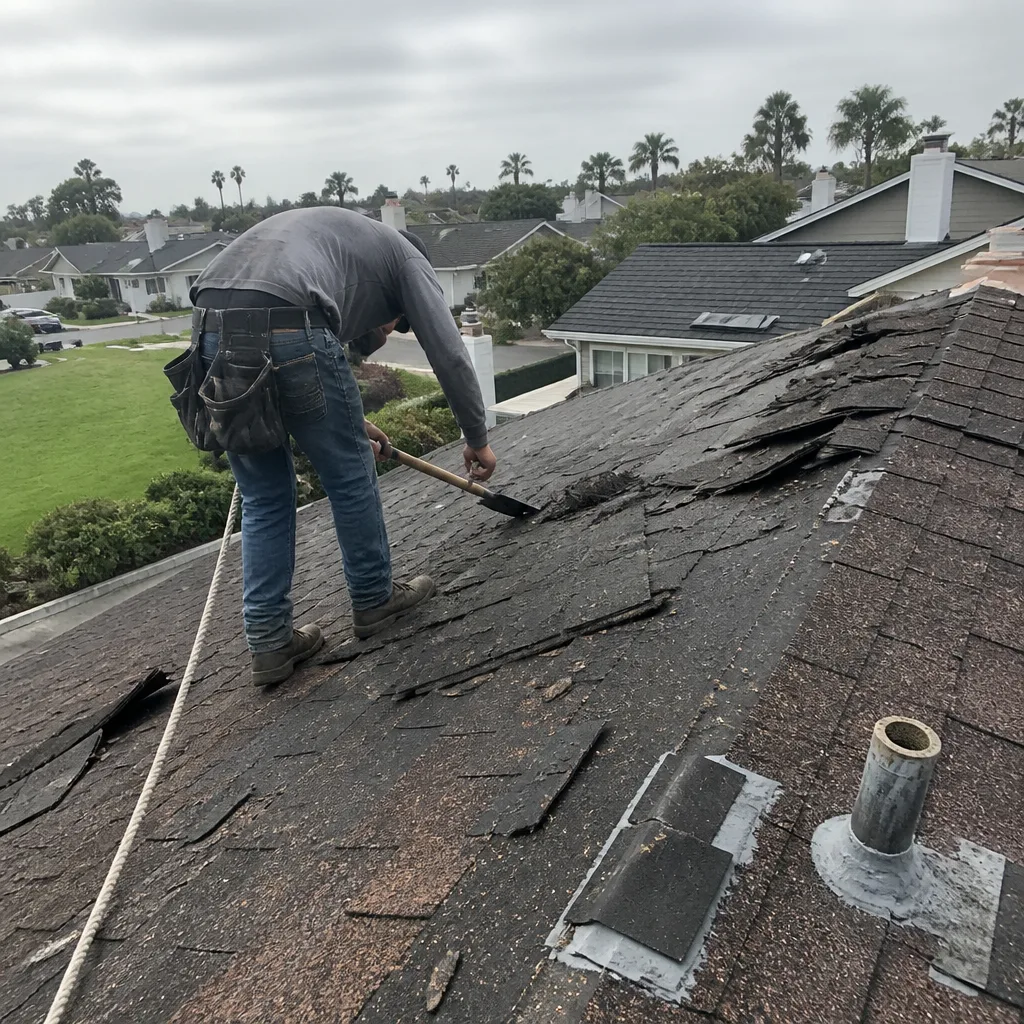 Before
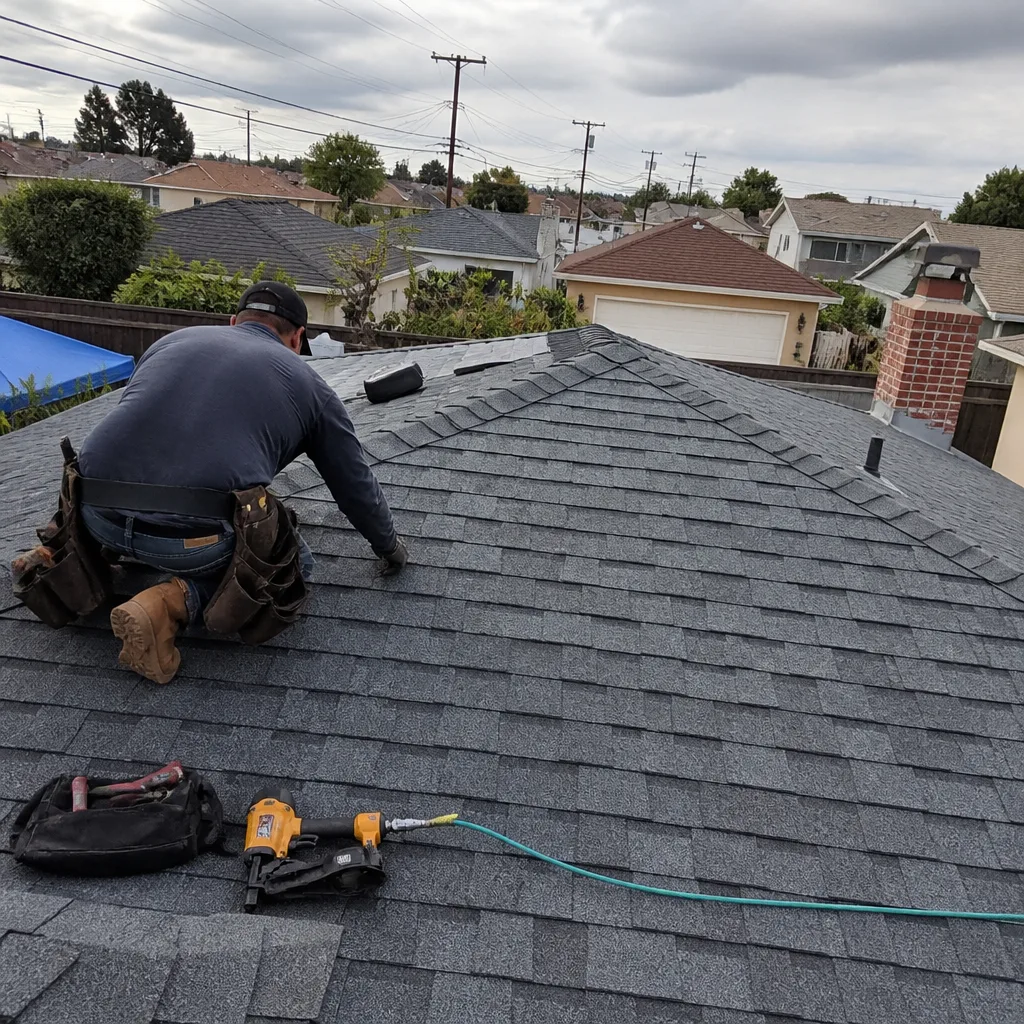 After
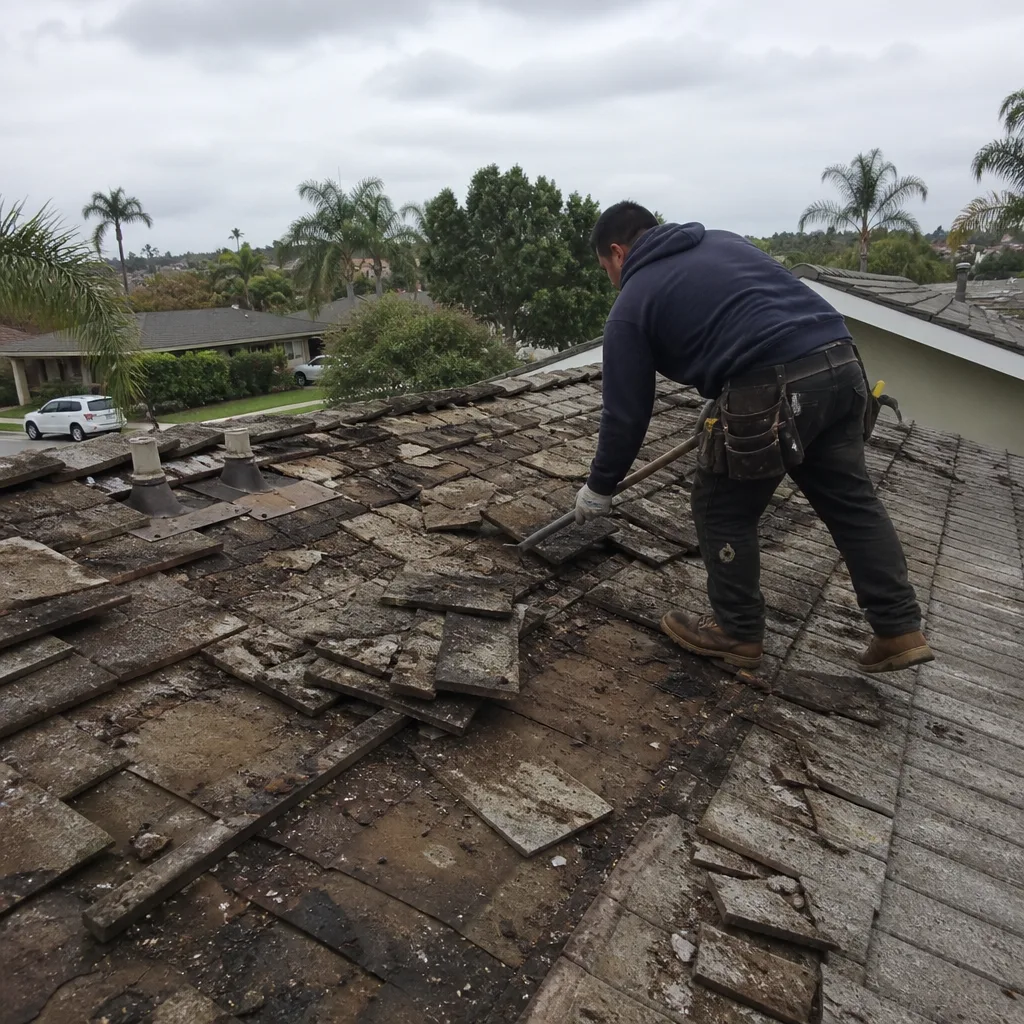 Before
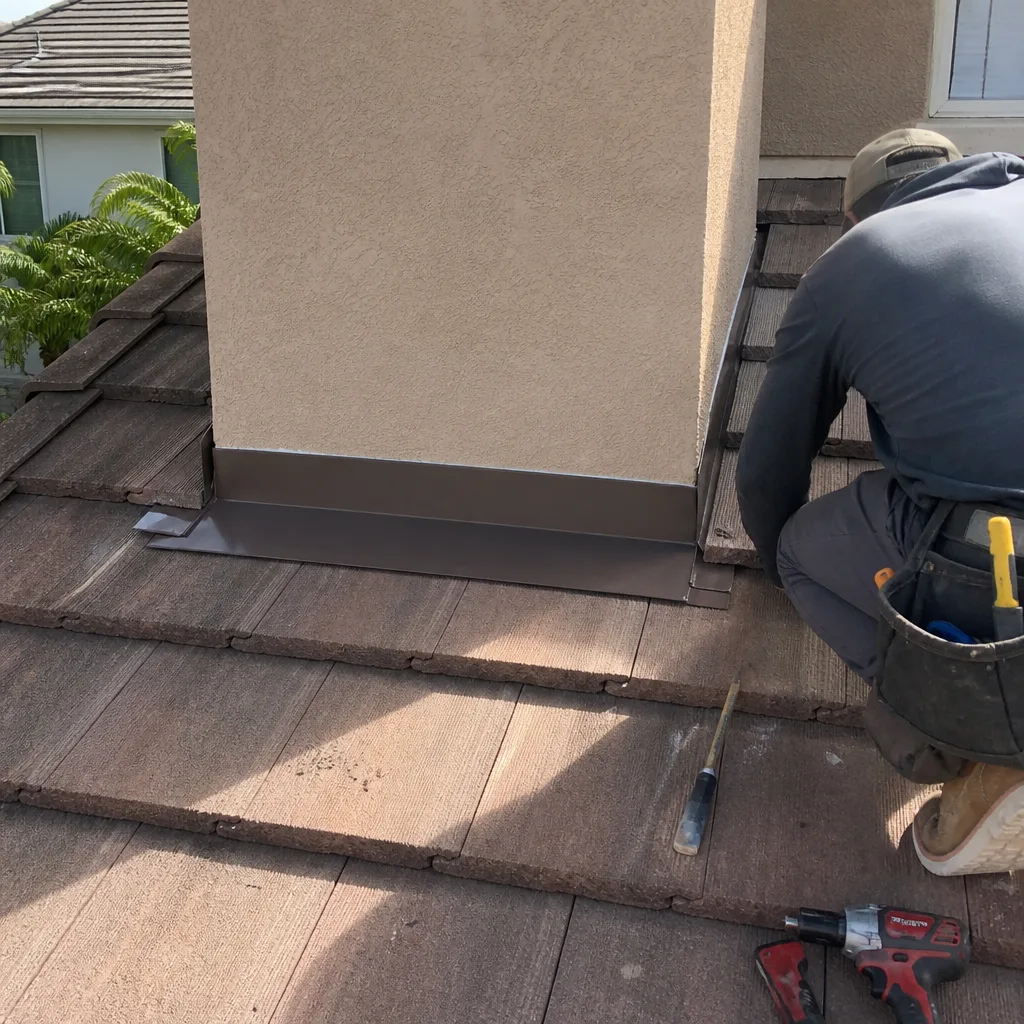 After
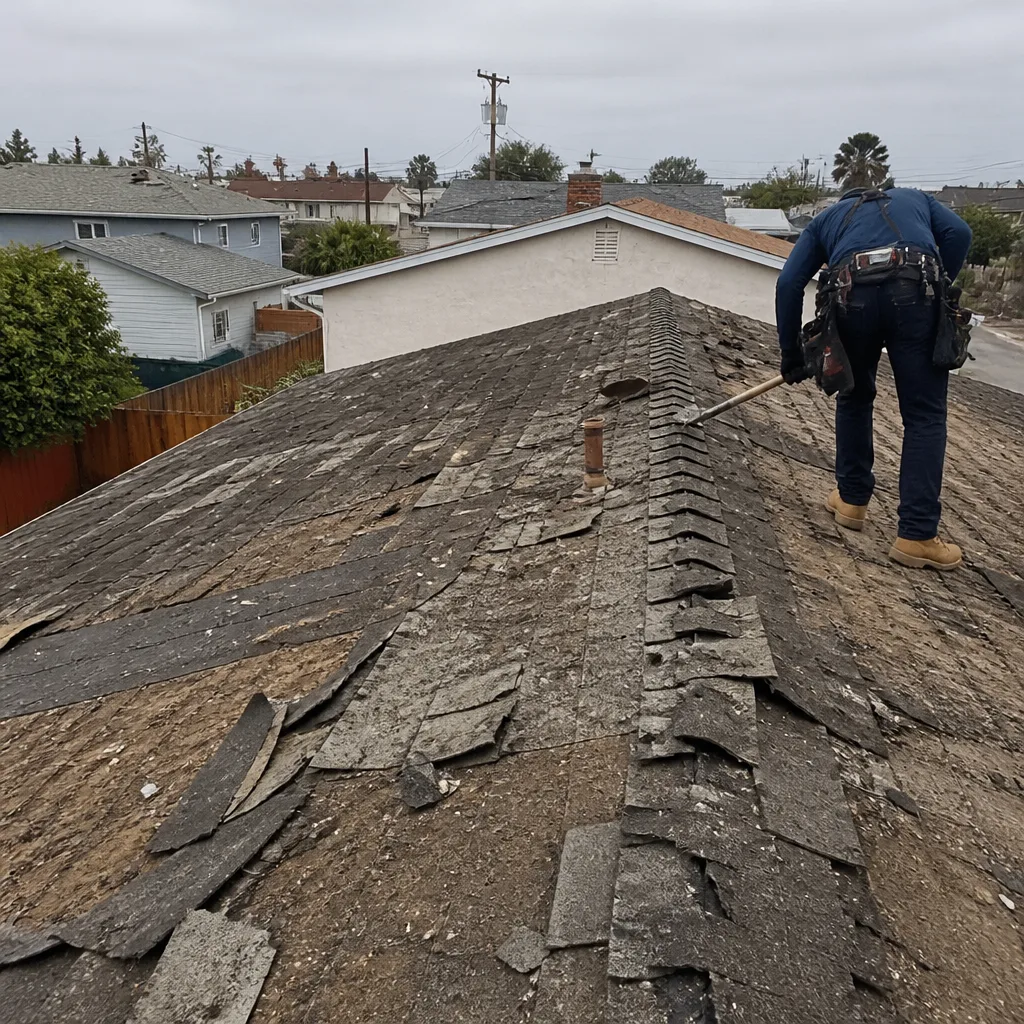 Before
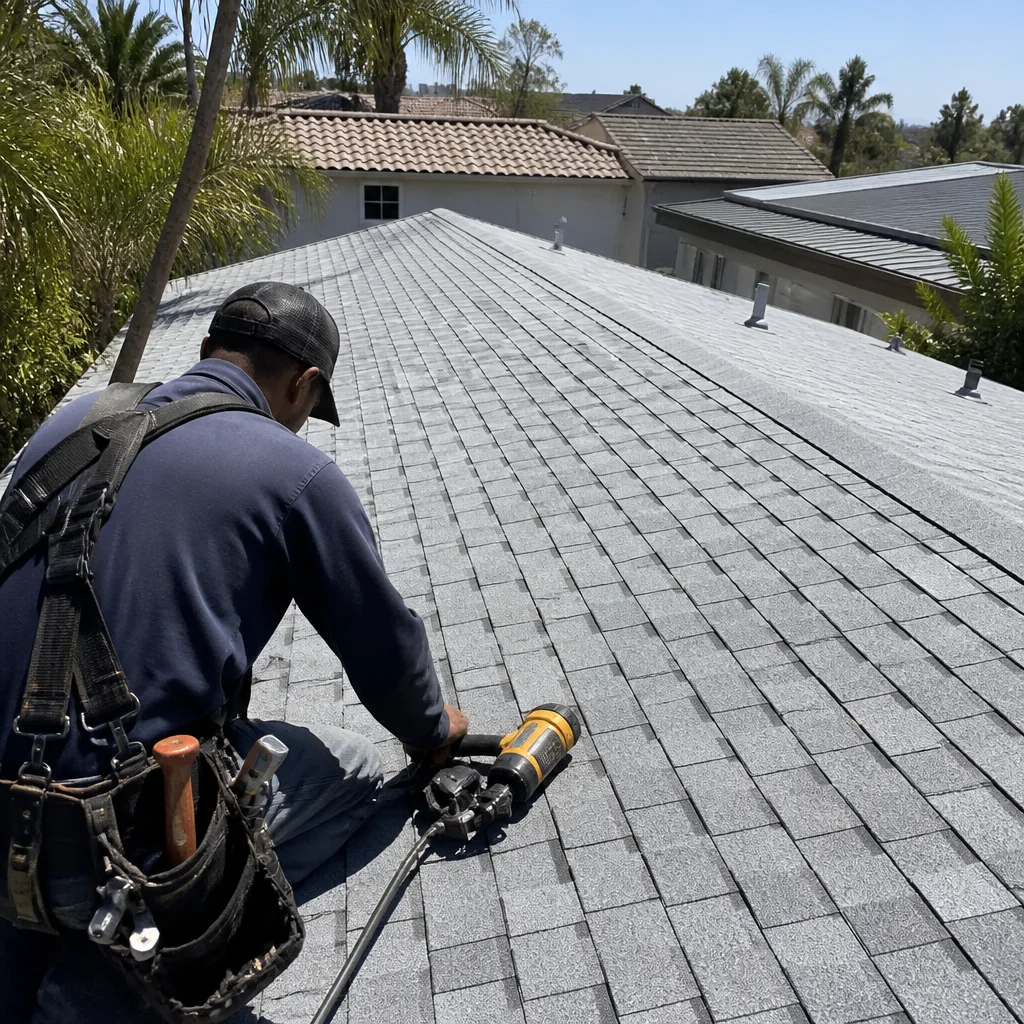 After