
Last updated October 31, 2026
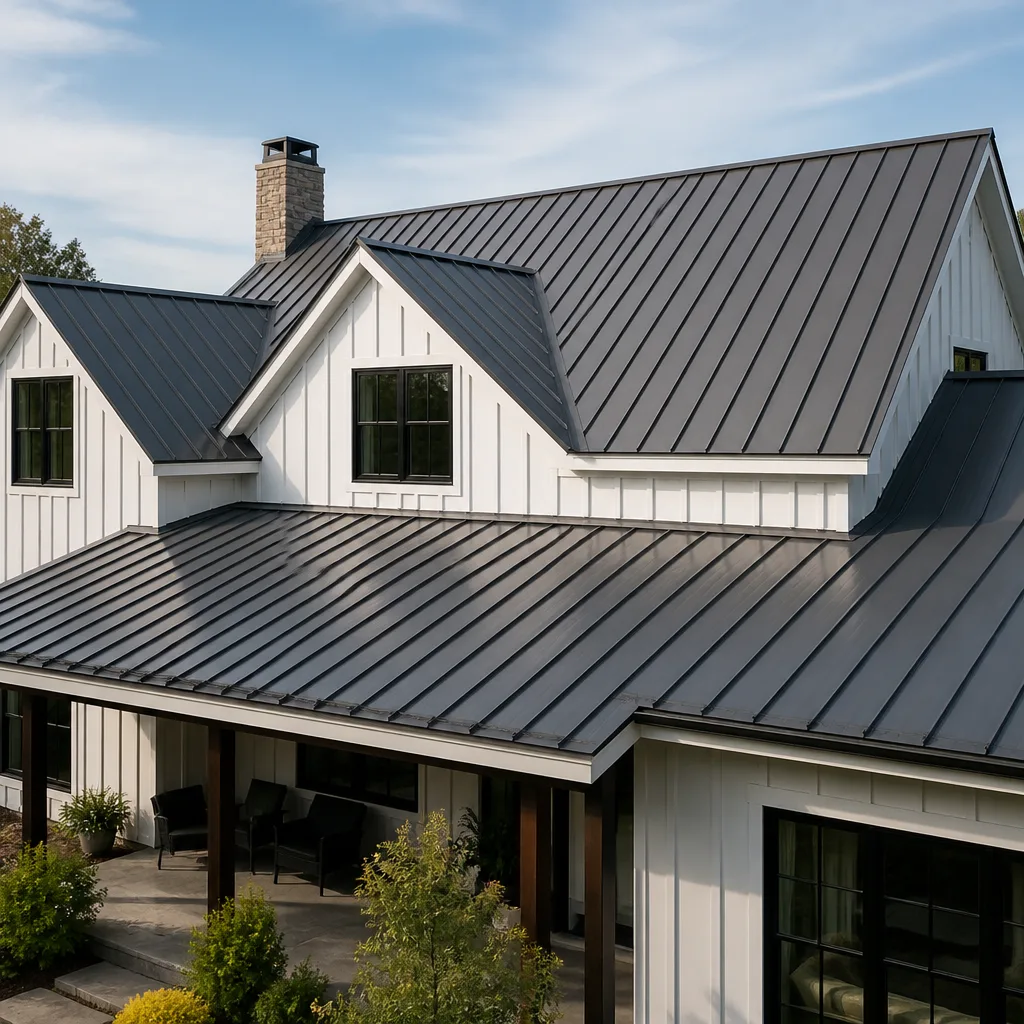 Metal roofing
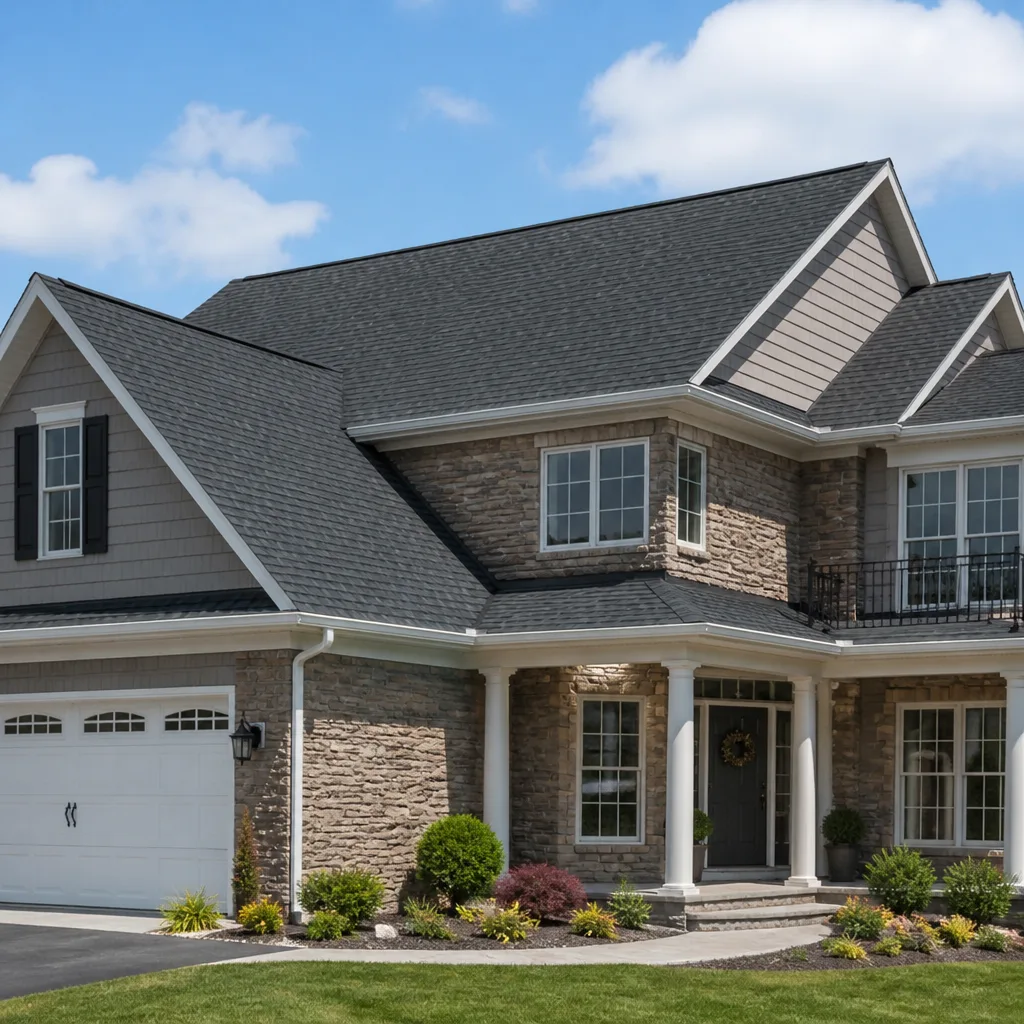
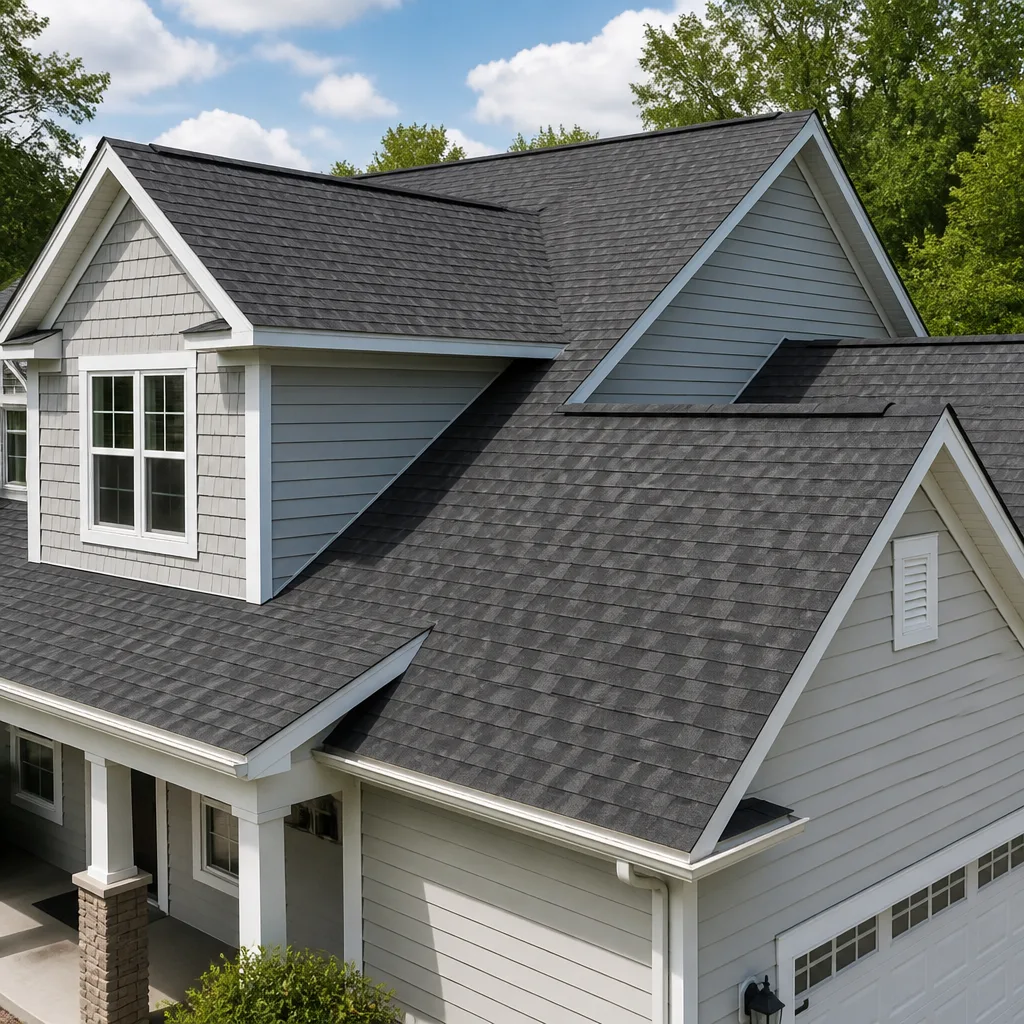 Architectural shingles
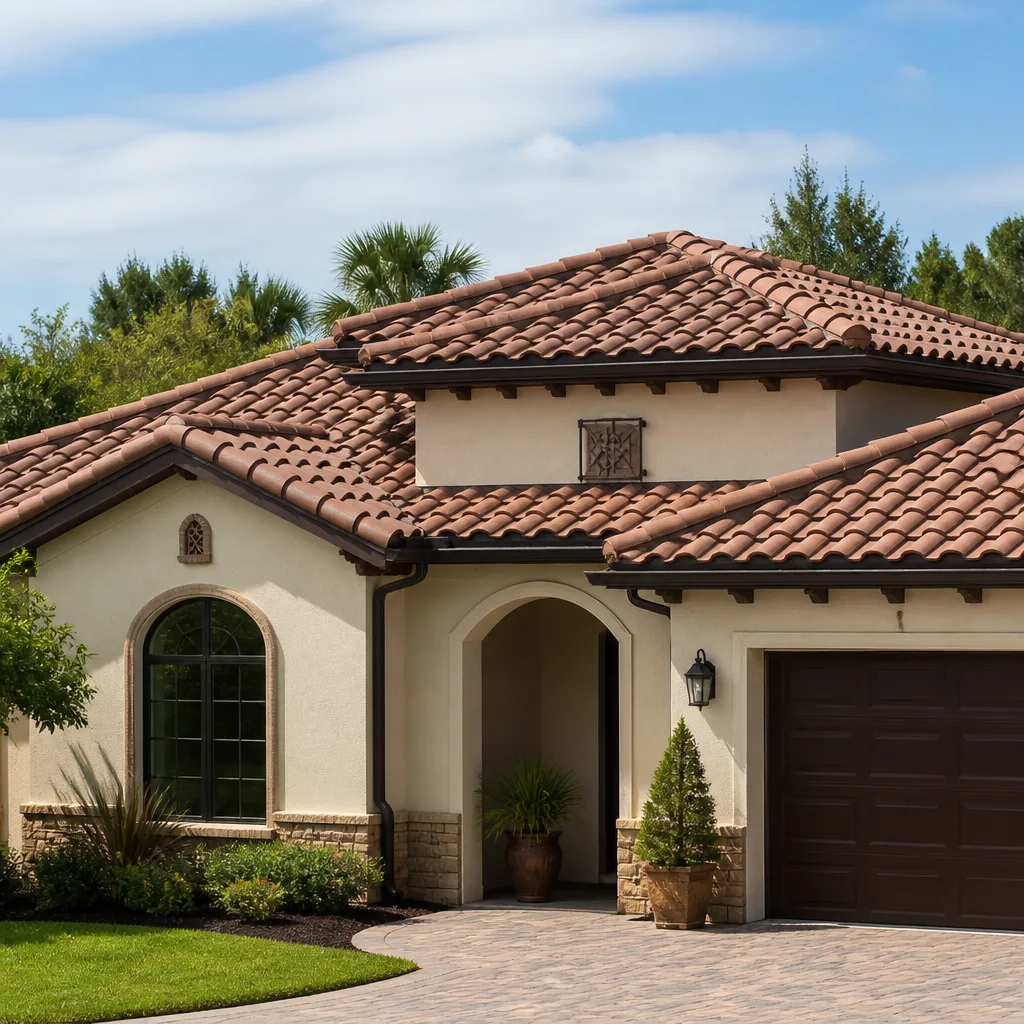 Tile roofing
 GAF
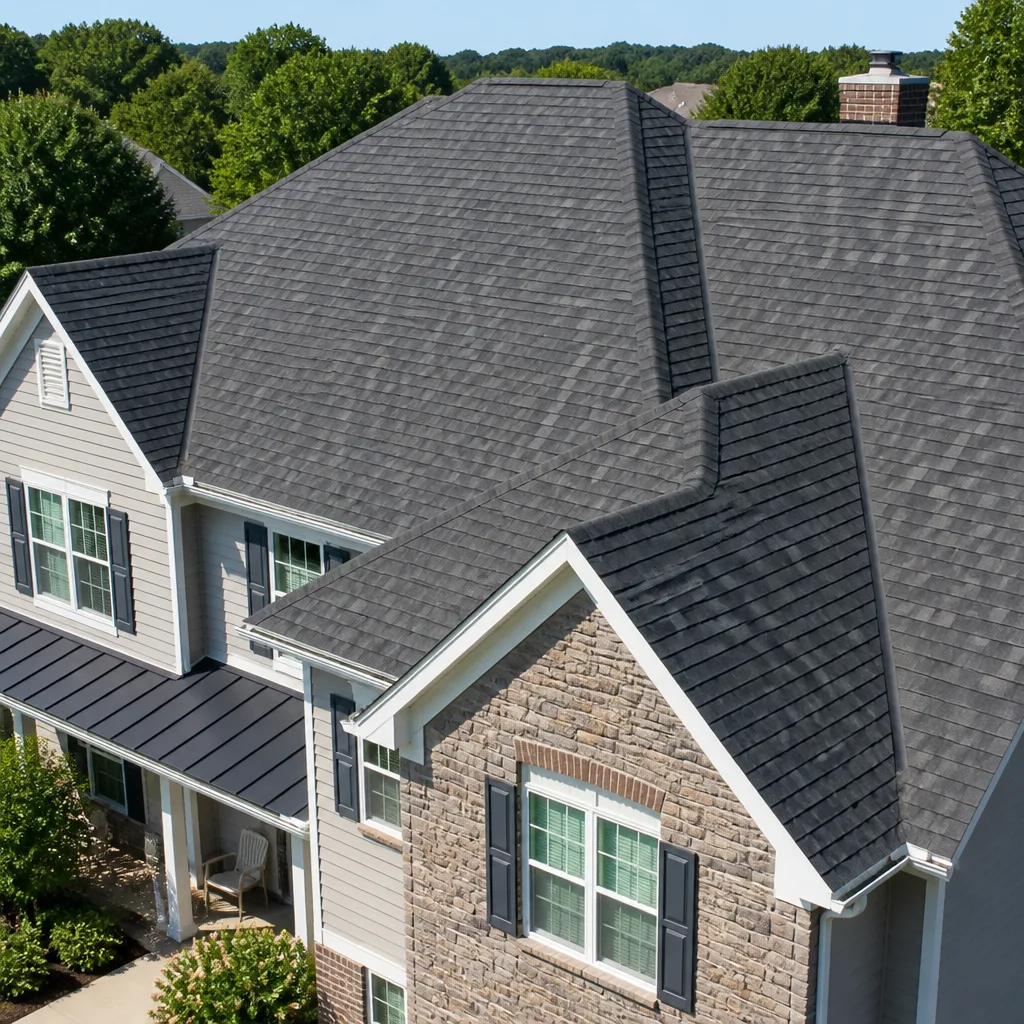 Owens Corning
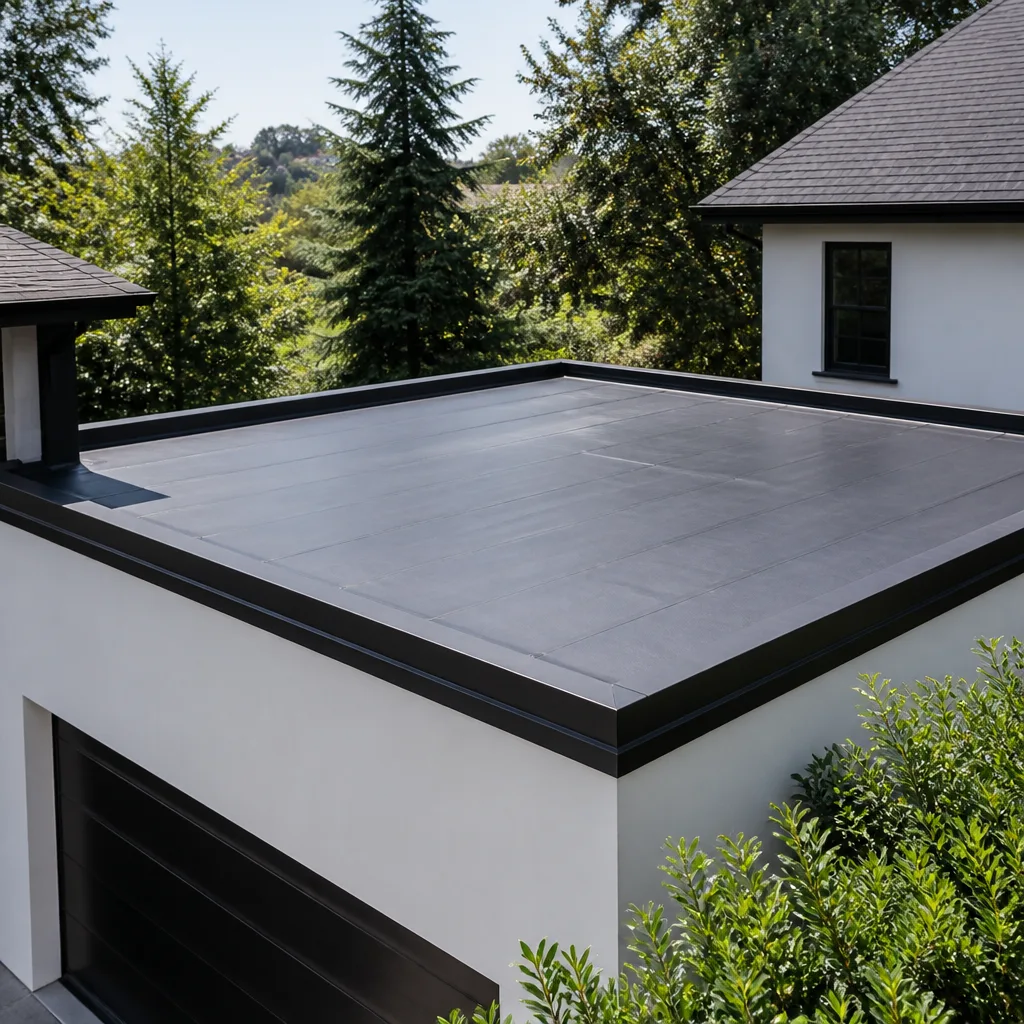 Flat & low-slope
Free roof inspection with deck photos before we talk money - GAF and Owens Corning certified installation
Roofing Permits, Codes & Inspections in CA: What You Need to Know
Here’s a fact most contractors who skip permits won’t volunteer: if you replace more than 50% of your roof surface in California without a permit, your homeowner’s insurance company has a documented basis to deny a future claim. Not a hypothetical risk. A clause-level reason to reject water-damage, wind, or fire claims tied to the roof structure. The City of Huntington Beach enforces California Building Code (CBC) and Title 24 energy requirements on roofing work, and local inspectors in Huntington Beach are specific about what they check. This guide explains exactly when a repair becomes a re-roof, what Title 24’s cool-roof mandate means for your shingle color choice, how the permit process works step by step, and what an unpermitted roof does to a home’s resale value. For related reading, see our Roofing Warning Signs: A Huntington Beach Homeowner’s Reference Guide.
Styles & brands we work with
Quick Answer
In Huntington Beach, any roofing project that removes and replaces more than 50% of the roof surface, or any structural repair to sheathing, rafters, or trusses, requires a city building permit before work starts. The permit triggers two mandatory inspections: one after the old roof is stripped (sheathing check) and one after the new roof is installed (final inspection). California’s Title 24 energy code also mandates minimum solar reflectance values for new roofing materials: 0.20 for low-slope roofs, 0.25 for steep-slope roofs.
Table of Contents
- When Does a Repair Cross Into Re-Roofing Territory?
- Title 24’s Cool-Roof Mandate: What It Means for Shingle Colors
- The Huntington Beach Permit Process: Step by Step
- What City Inspectors Actually Check
- How an Unpermitted Roof Affects a Home Sale
- ‘To Existing Code’ vs. Current Standard: What Must Be Upgraded
- Permit Costs and Timeline in Huntington Beach
- Common Mistakes to Avoid
- When to Call a Professional
- Frequently Asked Questions
- The Bottom Line
When Does a Repair Cross Into Re-Roofing Territory?
California Building Code draws a specific line between a “repair” and a “re-roof,” and that line determines whether you pull a permit. The trigger is surface area: replacing more than 50% of the roof covering within a 12-month period crosses into re-roofing under CBC Section 1511. That means a handful of shingles after a windstorm is a repair, no permit required. Tearing off and replacing the entire field of shingles is a re-roof, permit required.
But the 50% threshold isn’t the only trigger. In our experience, Huntington Beach homeowners get surprised by these additional permit-triggering conditions:
- Sheathing replacement: If the inspector or contractor discovers rotted OSB or plywood sheathing and replaces more than two panels, that’s structural repair and requires a permit revision or a separate structural permit.
- Rafter or truss repair: Any modification to the structural roof framing, including sistering a cracked rafter, triggers a structural permit regardless of surface area.
- Ridge vent or eave vent modifications: Cutting new ventilation openings changes the roof assembly and requires approval.
- Roof deck slope changes: If you’re changing the pitch of any section of the roof, even on a dormer, that’s an alteration requiring engineered drawings and a permit.
- Multiple smaller repairs within 12 months: The city can aggregate repairs. If you patch 30% in March and another 30% in October, that totals 60% and triggers the permit requirement retroactively.
The practical takeaway: if your roofer says “we don’t need a permit for this,” ask them to point to the specific CBC section. A contractor willing to skip the permit is also willing to skip the roof inspection steps that protect you from hidden structural problems.
Title 24’s Cool-Roof Mandate: What It Means for Shingle Colors
California’s Title 24 energy code, specifically the 2022 update that took full effect in 2023, includes a cool-roof mandate that many homeowners only learn about after they’ve picked a shingle color. For steep-slope roofs (pitch steeper than 2:12), the code requires new roofing materials to meet a minimum aged solar reflectance of 0.25. For low-slope roofs, the requirement jumps to 0.20 thermal emittance and 0.63 solar reflectance, or a minimum SRI (Solar Reflectance Index) of 75.
Here’s what this means in practical terms for a Huntington Beach reroof:
- Dark shingle colors are often non-compliant. Traditional black, dark brown, and deep charcoal shingles frequently fall below the 0.25 reflectance threshold. Some manufacturers offer “cool” versions of dark colors with reflective granules, but they’re not standard inventory at every supplier.
- Product selection narrows significantly. Not every shingle model from every brand meets Title 24. This is where a multi-brand contractor becomes genuinely useful: if the CertainTeed colorway you wanted doesn’t meet reflectance, Owens Corning or GAF may offer a comparable look that does.
- Manufacturer documentation is required. The city inspector will ask for the CRRC (Cool Roof Rating Council) product ID or manufacturer’s reflectance data at final inspection. You can’t hand-wave this with a verbal claim.
- Some products are Title 24-compliant out of the box. Boral’s concrete tile line and certain Tamko shingle products carry documented reflectance values. We mention these brands specifically because having pre-verified options saves homeowners time at the permit counter.
The energy code applies to re-roofs, not repairs. But any project over the 50% threshold must meet it. If your contractor hasn’t asked you about shingle color compliance, that’s a red flag. It means they plan to either skip the permit or hope the inspector misses the reflectance check.
The Huntington Beach Permit Process: Step by Step
Pulling a roofing permit in Huntington Beach follows a specific sequence. Here’s the process we walk our clients through, in order:
- Prepare the application package. You or your contractor submit a building permit application through the City of Huntington Beach Building Division. The package includes: the project address, scope of work description, roofing material specifications, CRRC product documentation for Title 24 compliance, and the contractor’s license number if one is doing the work.
- Pay plan check fees. Roofing permits in Huntington Beach generally don’t require full plan check review unless there are structural modifications. But the permit fee is calculated based on project valuation at time of submission.
- Permit issuance. Once the application is accepted and fees paid, the permit is issued. The permit card must be posted on-site, visible from the street, before any work begins.
- Schedule the sheathing inspection. After tear-off but before new underlayment goes down, the city inspector verifies that the roof deck is sound, fastening is adequate, and any required sheathing replacement was approved. This is the inspection most skipped-permit roofs never get.
- Schedule the final inspection. After the new roof is fully installed, the inspector verifies underlayment, flashing, fastening pattern, ventilation, and Title 24 reflectance compliance. Once the final inspection passes, the permit is signed off and the work is officially permitted.
The entire process, from application to final sign-off, typically takes one to three weeks depending on inspector scheduling. The actual on-site inspections take 20 to 40 minutes each. The delay is mostly administrative.
What City Inspectors Actually Check
Huntington Beach roof inspectors aren’t doing a performance review of your contractor. They’re verifying code compliance against specific, checkable items. If you know what they’re looking for, you can verify the work yourself before the inspector arrives.
- Underlayment type and laps. CBC requires a minimum of one layer of No. 30 asphalt-saturated felt, or an approved synthetic underlayment, with specific overlap requirements at eaves (minimum 18 inches at eave edges for ice/water protection layer) and horizontal laps of 2 to 6 inches depending on slope.
- Fastening schedule. Shingles must be fastened with a minimum of four fasteners per shingle, six in high-wind zones. Huntington Beach’s coastal exposure means many properties fall into the high-wind category under CBC Section 1507.2.8.
- Flashing details. Inspectors pay special attention to valley flashings, sidewall step flashings, and penetration flashings at vents, skylights, and chimneys. Improperly flashed penetrations are the most common source of inspections failed first-round.
- Ventilation ratios. The attic ventilation must meet the 1:150 ratio of net free vent area to attic floor space (or 1:300 in specific configurations). Blocked eave or ridge vents trigger a correction.
- Reflectance documentation. For any re-roof over the 50% threshold, the inspector will check the CRRC documentation against the installed product. If you installed a non-compliant product, the inspector has the power to require removal.
Any Huntington Beach homeowner preparing for a roof replacement should make sure their contractor confirms all of these items before final inspection. Rescheduling a failed inspection adds days and cost.
How an Unpermitted Roof Affects a Home Sale
An unpermitted roof is not a hidden defect. It’s a discoverable one. Any competent home inspector will check the city’s building permit records before or during the inspection process. When they find a roof that shows signs of recent replacement but no corresponding permit, they flag it. Here’s what happens next:
- Lender complications. Most lenders require the appraiser to verify that any significant recent improvements are permitted. An unpermitted roof can stall or kill financing on a standard conforming loan.
- Buyers demand concessions. The most common outcome is that the buyer demands the seller either retroactively permit the roof (which means opening walls or ceilings for inspection if the city requires it) or credit the cost of replacement.
- Insurance underwriting flags. A new homeowner’s insurance carrier may inspect the roof within the first 60 days. If they find unpermitted work or work not to code, they can cancel the policy or exclude roof coverage.
- The 50% rule in reverse. A buyer’s inspector is trained to look for telltale signs of reroofing: fresh shingles over obviously old sheathing, new flashing with old drip edge, or inconsistent granule wear. Even without pulling records, visible evidence of unpermitted replacement is a negotiation point.
In Huntington Beach’s current market, where homes move fast and buyers are doing more due diligence than ever, an unpermitted roof is a five-figure liability at sale time. The cost of pulling the permit before the work is a rounding error by comparison.
‘To Existing Code’ vs. Current Standard: What Must Be Upgraded
When an older Huntington Beach home gets a new roof, the work is governed by a principle most homeowners misunderstand. The existing roof assembly is generally allowed to remain at the code standard it was built under, thanks to the “existing building” provisions in CBC Chapter 15 and the California Existing Building Code. But certain components must be brought to current standard regardless of when the home was built.
Here’s what that means in practice:
- If the existing rafter spacing or span was code-compliant under the original construction standard, you generally don’t need to reframe. But if you touch a rafter for any reason, that specific element must meet current CBC loading requirements.
- Fire-rated underlayment at eaves is required for all re-roofs in wildfire hazard zones. Huntington Beach is not in a designated high-severity fire zone, but the city does enforce ember-resistant vent requirements in certain areas near the bluffs and canyons.
- Wind uplift requirements apply to the new roofing installation. Even if the original roof was fine under the old code, the new covering must meet current wind-uplift standards for the designated wind zone. Coastal Huntington Beach properties are typically in a higher wind exposure category than inland properties.
- Title 24 reflectance applies regardless of original construction. The energy code does not grandfather existing roof materials. If you’re re-roofing over 50%, the new material must meet current reflectance minimums.
The nuance is important. You don’t need to bring every component to modern standard, but anything you replace must meet current code. And the components that must be upgraded regardless of what you’re replacing are the ones that catch people. A contractor familiar with how Huntington Beach inspectors apply these rules on older homes is worth more than a slightly lower bid.
Permit Costs and Timeline in Huntington Beach
Roofing permit fees in Huntington Beach are calculated on project valuation. For a typical residential reroof, the building permit fee runs between $300 and $700 depending on the scope. Plan review fees, if required, add another $150 to $400. There’s no separate “roofing permit” line item; it falls under the standard building permit structure.
Here’s a realistic timeline for a permitted reroof in Huntington Beach:
- Application to permit issuance: 1 to 3 business days if the application is complete and no structural review is triggered.
- Sheathing inspection scheduling: 1 to 2 business days after the tear-off is complete.
- Final inspection scheduling: 1 to 3 business days after the roof is installed.
- Total administrative time added to the project: 3 to 8 business days, not including weekends or holidays.
The added time and cost is modest. Compare that against the cost of retroactive permitting (which can require destructive inspection openings) or the loss of sale leverage at resale time. The math favors doing it right the first time. This is also where having the full project under one contractor matters: if the roof repair crew, the replacement crew, and the inspection team are different companies, the hand-offs between permit stages create exactly the kind of miscommunication that stalls a project.
Common Mistakes to Avoid
- Trusting “we’ll handle the permit” without verifying. Some contractors say this and then skip the permit entirely. Ask for the permit number before work starts, and verify it against the city’s online permit portal.
- Picking shingle color before checking Title 24 compliance. We’ve watched homeowners order a specific dark charcoal shingle only to find out at inspection that it doesn’t meet reflectance. Verify CRRC documentation before you commit to a color.
- Replacing sheathing without a permit revision. If rot is discovered during tear-off and more than two sheets of sheathing need replacement, stop work and file the revision. Installing new sheathing on an unrevised permit fails inspection.
- Skipping the sheathing inspection. Some contractors try to go straight from tear-off to underlayment without the first inspection. The city will fail the final inspection if the sheathing inspection was never scheduled.
- Not posting the permit card. It’s a small thing, but a permit card not posted on-site can trigger a stop-work order from the code enforcement officer.
- Using non-CRRC-rated materials for a re-roof. If the product doesn’t have CRRC documentation, you can’t demonstrate Title 24 compliance. The inspector will not accept a manufacturer’s brochure.
- Assuming a lower bid covers permit costs. Some bids exclude permit fees and inspection costs. Confirm whether the bid is “permit included” or “permit additional.” A bid that’s $400 lower but doesn’t include the $500 permit isn’t lower.
When to Call a Professional
If your roof is over 15 years old, has visible granule loss in the gutters, or has water stains on ceilings after rain, don’t diagnose it from the ground. A Huntington Beach roofing contractor who offers inspection as a standalone service, not just as a sales pitch, will document the condition of the deck, underlayment, flashing, and ventilation before you commit to any remedial work. If you’re buying or selling a home with a roof that has no matching permit on file, have it inspected and documented. If your insurance company has flagged the roof after a policy review, a documented inspection report is your best counter. Huntington Beach Roofers offers free estimates in Huntington Beach – call (833) 467-4901.
Frequently Asked Questions
Roofing permit fees in Huntington Beach typically run $300 to $700 for a standard residential re-roof, depending on project valuation. Plan review fees, if required, add $150 to $400. Call (833) 467-4901 for help calculating your specific project’s permit cost.
No. Any re-roof covering more than 50% of the roof surface requires a permit, even if you’re doing the work yourself as the homeowner. The city still requires the same inspections, and you’ll still need Title 24 compliance documentation.
Your insurance company may deny the claim if the unpermitted work is found to have contributed to the damage. Many policies contain exclusions for damage resulting from unpermitted construction. The city can also issue a notice of violation requiring retroactive permitting.
No. Title 24 cool-roof requirements apply to re-roofing projects that replace more than 50% of the roof surface. Isolated repairs replacing a few shingles or tiles are exempt, but the replacement materials should match in reflectance as closely as possible to avoid visible patchwork.
A city roof inspection on-site visit takes 20 to 40 minutes. The full permit process from application to final sign-off typically takes one to three weeks, depending on inspector scheduling and whether any corrections are required.
The 50% rule means that if you replace more than half of the roof surface area within a 12-month period, the project is classified as a re-roof and requires a permit. Replacing less than 50% is considered a repair and generally does not require a permit.
The Bottom Line
Roofing permits in Huntington Beach are not optional paperwork. They’re the documentation that protects your insurance coverage, your resale value, and the structural integrity of your home. The permit process adds a few hundred dollars and about a week to the project. Skipping it risks denied claims, failed inspections, and a five-figure negotiation concession at sale time. Title 24’s cool-roof mandate narrows your shingle color options, but a contractor who carries multiple brands can find you a compliant product that still matches the look you want—see our Choosing the Right Roofing Brand: A Buyer’s Guide for Huntington Beach. Seven brands. One contractor. We inspect first, recommend second.
Written by the team at Huntington Beach Roofers, serving Huntington Beach since 2018. Explore more guides & resources on our blog.
See the difference
 Before
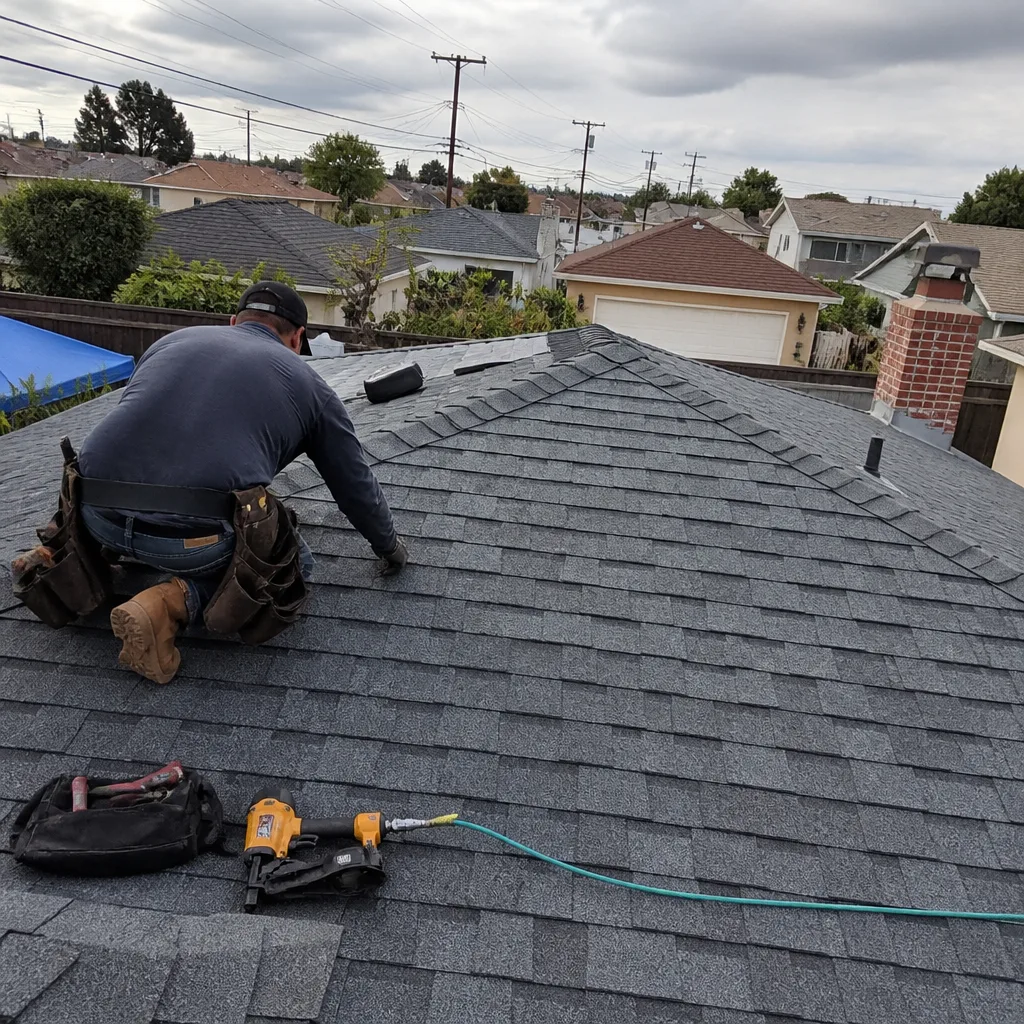 After
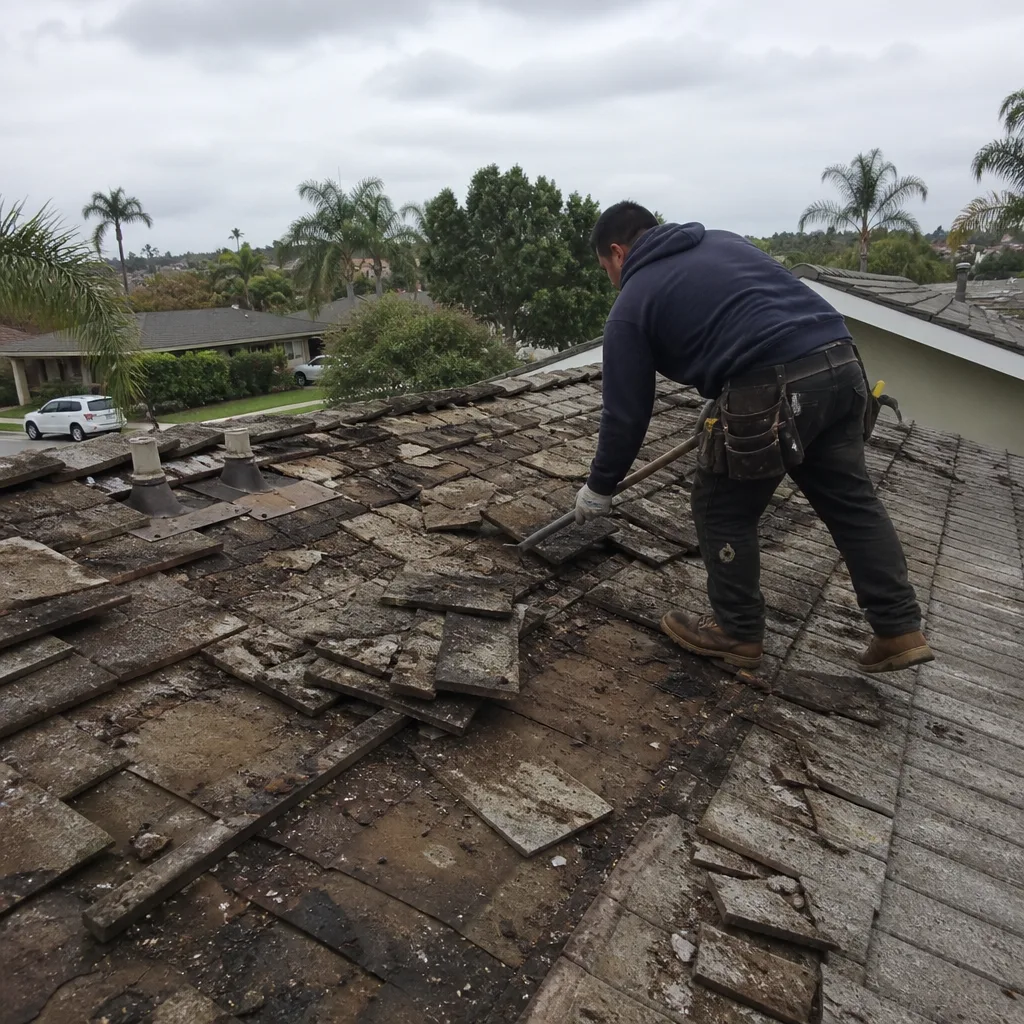 Before
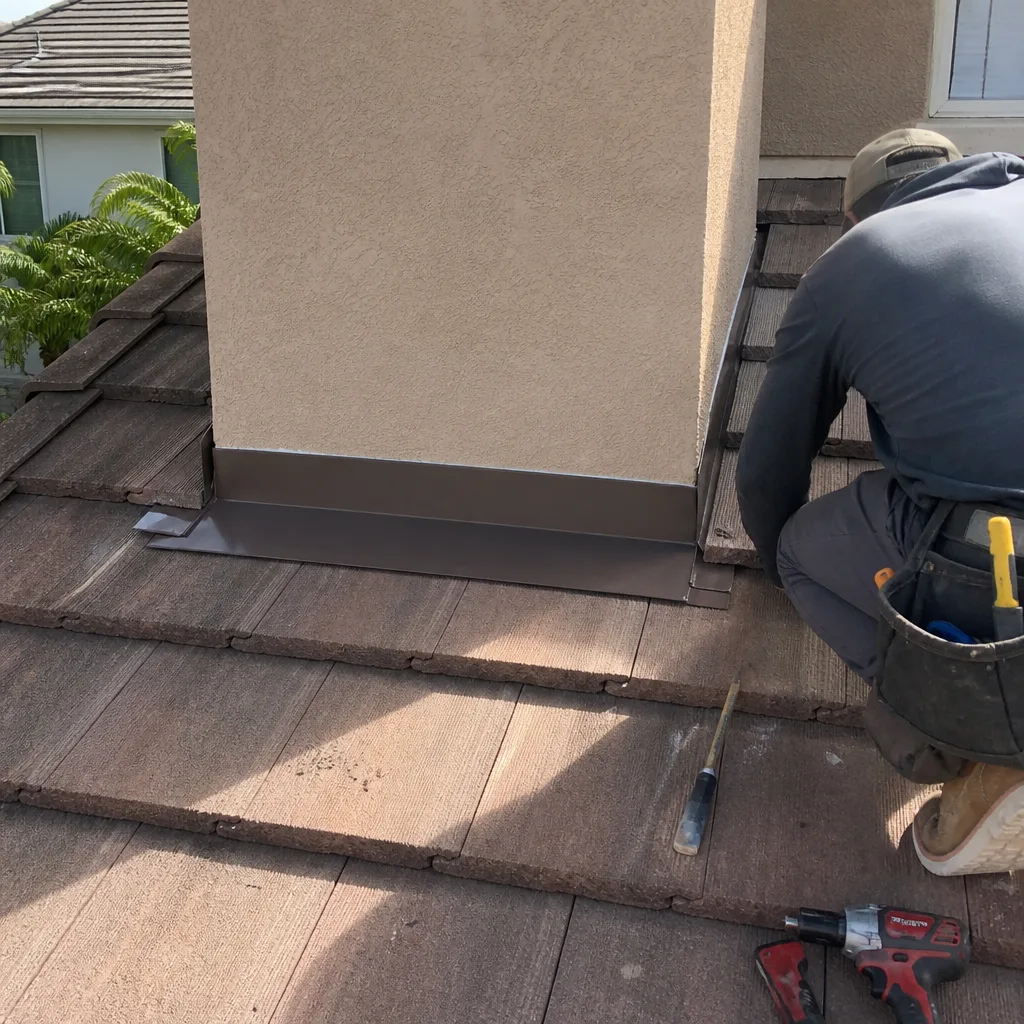 After
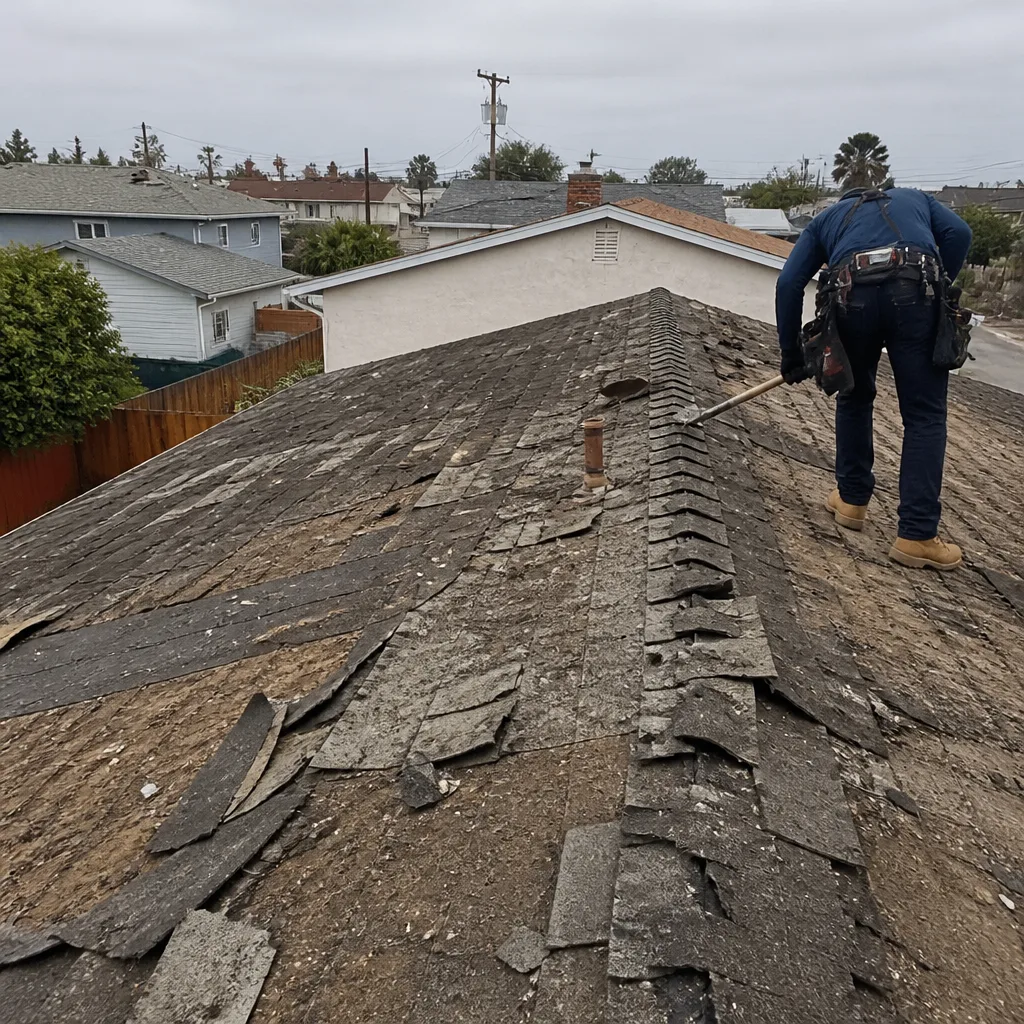 Before
 After