
Last updated October 31, 2026
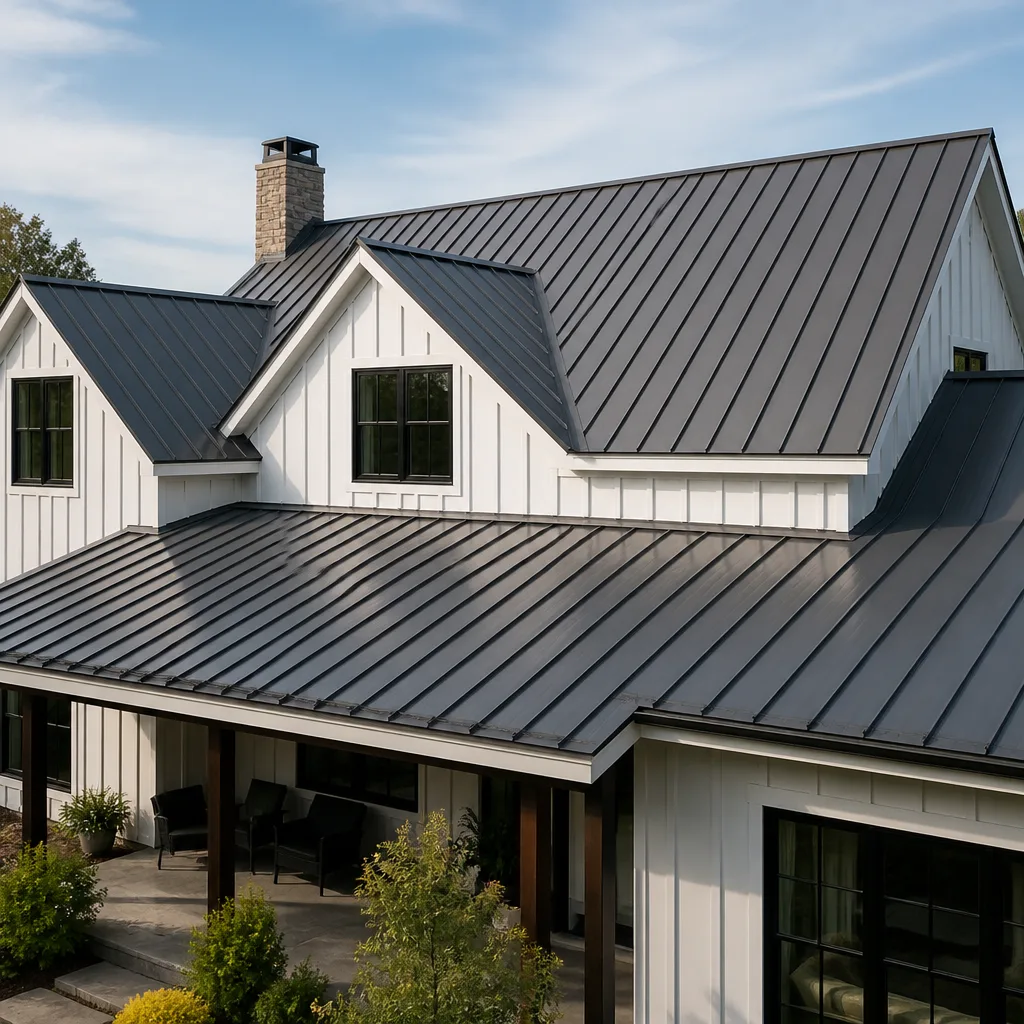 Metal roofing
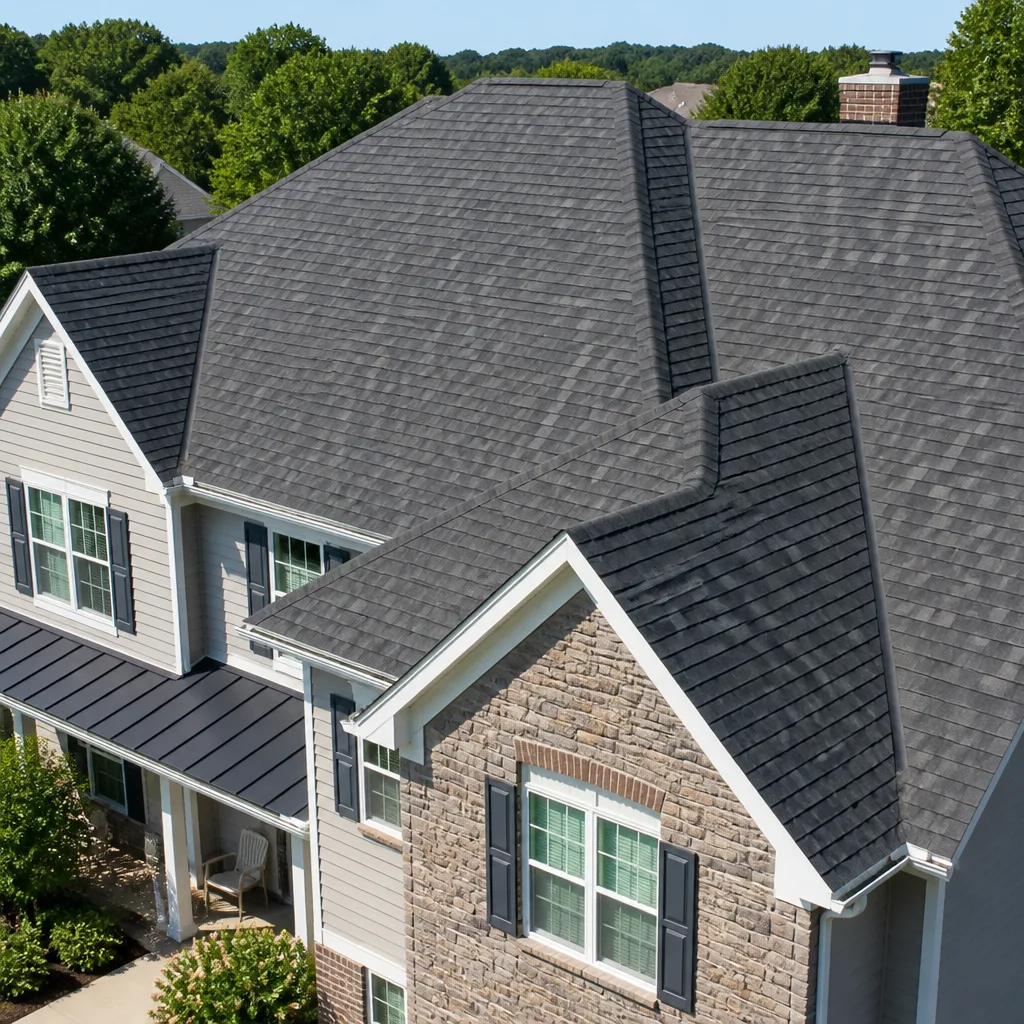
 Architectural shingles
 Tile roofing
 GAF
 Owens Corning
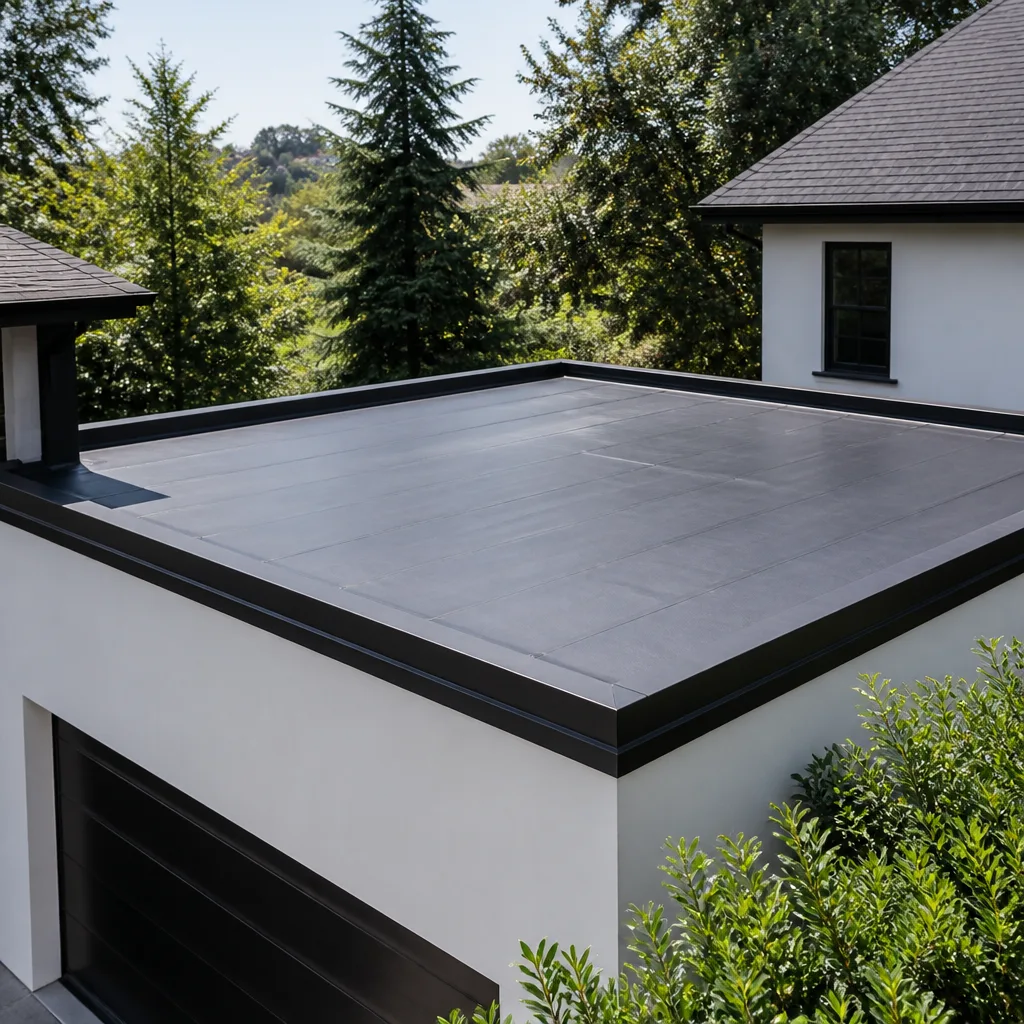 Flat & low-slope
Free roof inspection with deck photos before we talk money - GAF and Owens Corning certified installation
Roofing Warning Signs: A Huntington Beach Homeowner’s Reference Guide
Here’s the counterintuitive truth about roof damage in Huntington Beach: by the time you see a dark stain on your ceiling, the leak that caused it has likely been active for six to twelve months. Water doesn’t telegraph its presence. It moves laterally along rafters, saturates insulation, and quietly rots decking before it ever accumulates enough to breach drywall. A homeowner who catches the early indicators saves thousands of dollars and buys years of additional service life. This guide covers the signals that show up long before the ceiling stain, the ones specific to how coastal Orange County roofs age, and how to sort urgent problems from maintenance items. We’ve written it for Huntington Beach homeowners who want to diagnose what they’re seeing from the ground, from the attic, and from the curb.
Styles & brands we work with
Quick Answer
The earliest roof warning signs in Huntington Beach are visible before any leak appears indoors: granule accumulation in downspout splash zones, white mineral efflorescence on concrete tiles, corroded ridge cap nails, sagging fascia lines, and inconsistent tile color patches. If you’re seeing interior water stains, the problem is already advanced. Schedule a roof inspection as soon as you notice any exterior signal that doesn’t look right, because the repair bill at the first-detection stage is typically a fraction of what it becomes after interior damage appears.
Table of Contents
- Reading Your Roof From the Ground: What Exterior Signals Actually Mean
- Salt-Air Warning Signs: The Huntington Beach Specific Problems
- What to Look For in Your Attic Before You Ever Call a Roofer
- Flashing Failure vs. Shingle Failure: Two Problems That Look Identical Indoors
- The Urgency Triage: This Month, This Week, or Today
- How Roofs Age in Huntington Beach: The 12-18 Year Timeline
- Common Mistakes to Avoid
- When to Call a Professional
- Frequently Asked Questions
- The Bottom Line
Reading Your Roof From the Ground: What Exterior Signals Actually Mean
Most homeowners in Huntington Beach never climb onto their roof. That’s the right instinct. A steep pitch, damp tiles from morning marine layer, and the general unpredictability of walking on aged materials make DIY roof walking a genuinely bad idea. The good news is that several warning signs are readable from the ground or from across the street.
Granule Accumulation in Downspout Splash Zones
Asphalt shingles shed ceramic granules throughout their life, but an excessive accumulation at the base of your downspouts tells a specific story. When the binder holding granules begins to fail, shingles lose their granular surface at an accelerated rate. You’ll see what looks like coarse sand pooling where roof runoff exits the downspout. A small amount is normal after a new roof settles. A consistent heavy accumulation on a roof that’s eight to ten years old means the shingle surface is degrading faster than it should. This one signal is worth an inspection because it often precedes visible cracking or curling by a full season.
Sagging Fascia Lines
Stand at the corner of your property and sight down the roofline. The fascia board, that horizontal board running along the roof edge, should hold a straight line. If you see a subtle dip or wave, what you’re actually seeing is structural movement beneath the roof covering. In Huntington Beach, this often traces back to decking that has absorbed moisture over years of coastal humidity, even without a visible leak. Plywood and OSB both lose rigidity when they retain moisture. A sagging fascia is not a cosmetic problem. It means the underlying deck is compromised and the roof covering may no longer drain water as it was designed to.
Inconsistent Tile Color Patches
For homes with concrete tile roofs, walk across the street and look at the roof as a whole. You’re looking for patches where tile color differs from the rest of the field. A uniform roof ages uniformly. Random lighter or darker patches mean individual tiles have been replaced at some point, or that a section is retaining moisture differently from its neighbors. If the patch follows a geometric shape, like a triangle or a long rectangle, that’s often a clue that a repair was done after a leak and the replacement tiles came from a different dye lot. That’s not inherently bad, but it marks a location that has already required intervention. Give that area extra attention during the next Roof Inspection in Huntington Beach.
Curling Shingle Corners on South-Facing Slopes
Huntington Beach sun is relentless on south-facing roof slopes. The combination of UV exposure and dry heat causes asphalt shingles to lose volatile oils over time, and the corners lift first. If you can see curling from the ground, the shingles have already lost significant flexibility. This matters because curled shingles are much more vulnerable to wind uplift during Santa Ana events. A shingle that’s curled at the corner is a shingle that a strong gust can peel back, which exposes the underlayment and starts the countdown to a leak. This is a classic “repair now, replace later” signal.
Salt-Air Warning Signs: The Huntington Beach Specific Problems
Huntington Beach sits close enough to the Pacific that airborne salt is a constant, invisible presence. Homes within roughly three miles of the water, which covers a large portion of the city’s residential neighborhoods, get regular salt deposition on roofing materials. That salt doesn’t just sit there. It accelerates corrosion on metal components and contributes to a unique set of warning signs you won’t find on generic roofing lists.
White Mineral Efflorescence on Concrete Tiles
Concrete tiles are porous. Salt-laden marine air deposits chloride particles on the tile surface, and when fog or light rain wets the tiles, that salt dissolves and migrates into the tile body with the water. As the tile dries, capillary action pulls the salt solution back to the surface, where the water evaporates and leaves a white mineral crust behind. In roofing terms, this is efflorescence. It looks like chalky white staining, often concentrated near tile edges and overlaps. Efflorescence itself doesn’t destroy tile, but it signals that the tile’s surface coating, its weather barrier if it was factory coated, is no longer performing. Left unchecked, salt-laden moisture can corrode the reinforcement in the tile and cause spalling, where the tile face flakes away in layers.
Rust Staining From Metal Flashings
If you see reddish-brown streaking running down from any point where the roof changes angle or intersects a vertical surface, that’s metal flashing corroding. Chimneys, skylights, vent pipes, valley intersections, and wall step flashings are all metal, and they all take the brunt of Huntington Beach salt exposure. Galvanized and even some aluminum flashings will eventually corrode in this environment. Rust staining means the metal is actively degrading, and where flashing degrades, water follows. We look for rust staining as one of the highest-priority signals on coastal Huntington Beach roofs because flashing failures account for a substantial share of leaks we repair, and the repair window is narrow once corrosion starts.
Corroded Ridge Cap Nails
Here’s the warning sign you can’t see until a tile shifts or a shingle lifts, but once you know to look for it, it explains a lot of otherwise mysterious coastal roof failures. Ridge caps, those pieces that run along the peak of the roof, are fastened with nails. In most inland environments, those nails last as long as the roof itself. In Huntington Beach salt air, those nails can corrode through in as little as ten to fifteen years on standard asphalt roofs, and even faster on some tile systems where the fastener was undertorqued at installation. When the nail rusts through, the ridge cap loses its hold. A strong wind lifts it, and suddenly water has a direct channel into the attic at the highest point of the roof. We mention this because we regularly inspect Huntington Beach roofs where the field shingles look fine but the ridge line has multiple loose or missing caps, and the homeowner had no idea anything was wrong because nothing had leaked indoors yet.
What to Look For in Your Attic Before You Ever Call a Roofer
You don’t need roofing experience to read your attic. You need a flashlight, a reasonably clean path, and about twenty minutes. The signals are straightforward if you know what you’re looking at. We recommend doing this on a bright sunny day, because daylight is actually a diagnostic tool.
- Daylight pinpoints at rafter intersections. Turn off any attic light and let your eyes adjust for a minute. If you can see pinpoints or slivers of daylight coming through where the roof decking meets rafters or where vent pipes and plumbing stacks penetrate, those are actual holes in the roof system. Any gap big enough to pass visible light is big enough to pass water during a driven rain.
- Insulation discoloration patterns. Wet insulation changes color. Fiberglass batts go from yellow or pink to brown or gray. Cellulose clumps and mats down. The pattern matters more than the color. A broad, diffuse discoloration across a wide area suggests long-term moisture exposure from high attic humidity. A localized stain with defined edges suggests a specific leak point directly above it.
- Rafter surface texture changes. Run your eyes along the length of exposed rafters. Wood that’s been repeatedly wetted and dried develops a specific surface, slightly fuzzy where the grain has raised, often with a grayish cast. If you see rafter sections that look different in texture from nearby sections, that’s evidence of past or ongoing moisture exposure. This change precedes visible rot by months and is one of the earliest signals available in an attic setting.
- Stains that don’t align with the current leak you already know about. Water stains on rafters or decking are permanent records. If you spot a stain far from any known leak, it means water entered at that point at some earlier time, even if that path is currently sealed. Multiple stain locations on different rafter lines suggest a systemic problem rather than a single isolated failure.
- Fastener rust on any visible hardware. If you have exposed nails or screws from below, any bracing or strapping, visible rust on those fasteners is a proxy for what the unseen fasteners in your roof assembly are likely doing. Salt air affects everything uniformly.
Walking through an attic with these five checks in mind gives you a genuinely useful diagnostic baseline before you ever pay for an inspection. And when you do bring in a contractor, you’ll be able to point to exactly what you saw, which makes the Roof Repair in Huntington Beach conversation much more productive.
Flashing Failure vs. Shingle Failure: Two Problems That Look Identical Indoors
Here’s a mistake we see homeowners make repeatedly, and it’s an expensive one. A water stain appears on the ceiling near a chimney or on the wall below a roof intersection. The homeowner assumes the shingles or tiles near that spot are failing and calls for a roof replacement estimate. What’s actually happening, very often, is a flashing failure, and a flashing repair is a completely different job with a completely different price point.
Flashings: The Usual Suspect in Coastal Homes
Flashings are the metal pieces installed at every point where the roof surface is interrupted or changes plane: chimneys, plumbing vents, skylights, dormer walls, valleys, step walls. In Huntington Beach, these metal components corrode faster than the roof covering itself. A roof with fifteen years of expected life remaining can have flashings that are actively failing at year ten or twelve, purely because of salt exposure. The failure point is usually at the seam or the fasteners, not the metal body itself. What this means indoors is a water stain that appears near a vertical surface: a chimney chase, a skylight well, a wall under a roof step. That stain pattern is your first clue that you’re looking at a flashing issue, not a field material issue. You can learn more about how we diagnose and address these on our Roof Repair in Huntington Beach page.
Field Failures: The Whole-Surface Problem
A field failure, by contrast, is widespread degradation of the roof covering itself. You’ll see stains that appear in the middle of ceiling areas, not near walls or penetrations. This correlates with curled or granule-bare shingles spread across the roof plane, or multiple cracked and spalled tiles scattered across the surface. Field failure progresses slowly and broadly. By the time it’s causing interior leaks, the roof has typically reached or exceeded its service life, and the right answer is usually Roof Replacement in Huntington Beach, not more patching.
The takeaway: don’t assume the location of an indoor stain tells you the whole story, but do use it as the first diagnostic clue. Stain near a wall, chimney, or skylight? Think flashing first. Stains distributed across a wide ceiling span with no clear correlation to roof features? Think field material failure. And if you’re not sure, that’s exactly what a diagnostic inspection should determine before any repair or replacement recommendation is made.
The Urgency Triage: This Month, This Week, or Today
Not every roof warning sign demands immediate action. But some do, and sorting them correctly prevents small problems from becoming structural ones. Here’s the triage we use when Huntington Beach homeowners call and describe what they’re seeing.
Schedule an Inspection This Month
- Light granule accumulation in downspout areas with no other symptoms
- Minor curling at shingle corners on south-facing slopes
- Early efflorescence on concrete tiles with no spalling visible
- A small rust stain starting at a flashing point with no indoor leaks
These signals indicate the roof is moving toward trouble but isn’t there yet. An inspection this month catches the problem at the least-expensive stage.
Get Someone Out This Week
- Visible sagging in the fascia line or any roof plane
- Multiple missing or cracked shingles or tiles across more than a ten-square-foot area
- A rust stain that has clearly progressed, with visible metal flaking
- Daylight pinpoints visible from the attic during a daytime check
- Insulation discoloration in a localized, well-defined area
These signals mean water has already begun entering the roof system or structural movement is underway. Each week of delay increases the repair scope.
Put a Bucket Down and Call Today
- Active water dripping into the interior during or after rain
- Any indoor ceiling stain that grew noticeably after the last rain event
- A sagging section of ceiling below a known past leak point
- Visible daylight through the roof decking large enough to pass a pencil
- Water entering around any electrical fixture in the ceiling
Active water intrusion requires immediate attention. Kill power to any affected fixtures at the breaker panel, contain the water, and call us today through the Huntington Beach Roofers home page so we can get a tarp deployed and a diagnostic inspection scheduled.
How Roofs Age in Huntington Beach: The 12-18 Year Timeline
Roof life expectancy is not a national number. It’s a local one, driven by local conditions. In Huntington Beach, the defining variables are UV intensity, salt deposition, and the occasional hard wind event. Here’s what the typical aging timeline looks like for the two most common roof types across Huntington Beach neighborhoods.
Asphalt Shingle Roofs
Most asphalt shingle roofs in Huntington Beach are built from one of the major brands, and we install several of them: CertainTeed, Owens Corning, IKO, and Atlas, among others. Different product lines carry different service-life ratings, but the local climate imposes a practical ceiling regardless of what the warranty says. The first signs of aging in a coastal environment typically appear between year six and eight: slight granule loss at downspouts, minor curling on the hottest slopes. By year ten to twelve, flashing fasteners are showing corrosion and the shingle seal strips are beginning to lose adhesion. By year fifteen, the roof is aging visibly and repair frequency increases. By year eighteen to twenty, replacement is usually the economically sensible decision for a standard builder-grade shingle, even if the shingle’s rated life is longer.
Concrete Tile Roofs
Concrete tile roofs in Huntington Beach frequently lie about their age. The tile itself can last forty or fifty years, which lulls homeowners into thinking nothing needs attention. The problem is everything beneath the tile: the underlayment, the flashings, and the fasteners. Underlayment on a tile roof typically needs replacement around year twenty to twenty-five, and the fasteners and flashings rarely make it that long in salt air. We see tile roofs in Huntington Beach where the tiles look great from the street but the underlayment is disintegrating beneath them, and the first sign the homeowner notices is a leak that has nothing to do with broken tile. The early warning signs are the efflorescence, the corroded ridge fasteners, and any tile that sounds hollow or wobbly when tapped lightly from a ladder, which we do during Roof Inspection in Huntington Beach visits.
Common Mistakes to Avoid
- Ignoring the downspout granules because “the roof looks fine from the street.” Granule loss is the earliest external signal of shingle binder failure, and it appears long before curling or cracking. Treat it as a diagnostic signal, not a nuisance.
- Painting over rust stains on flashing instead of addressing the corrosion. Paint masks the symptom and does nothing to stop the oxidation spreading beneath the surface. The flashing continues to degrade, and the leak eventually arrives anyway, usually bigger than it would have been.
- Assuming a tile roof is maintenance-free. In Huntington Beach, the underlayment and flashings beneath tile age faster than the tile itself. A tile roof needs inspection every few years even when no tiles are broken.
- Waiting for an interior stain to confirm you have a roof problem. By the time water is visible indoors, it has already saturated insulation and damaged decking. The repair bill at first detection is a fraction of what it becomes after interior damage appears.
- Replacing a roof when the actual problem is a failed flashing corner. A localized flashing repair is sometimes the right answer for years of additional service life. Get a diagnostic inspection before committing to a full replacement cost.
- Climbing onto a wet or steep roof to “take a look.” Huntington Beach morning marine layer makes tile and shingle surfaces slick. Falls from roofs are frequently serious. Leave the physical inspection to professionals with proper safety equipment.
- Accepting a single-brand recommendation without asking about alternatives. Different manufacturers make different products suited to different budgets and conditions. We carry roofing materials from seven manufacturers, including CertainTeed, Owens Corning, IKO, and Atlas, which means the product recommendation follows the roof’s needs and your budget, not what one vendor happens to stock.
When to Call a Professional
Call a professional when you have a specific observation you can’t explain, and the earlier the better. If you’ve spotted granule accumulation, and you’re not sure whether it’s normal, call. If you’ve seen a rust stain and you don’t know how deep the corrosion goes, call. If you found daylight in the attic or a discoloration pattern that doesn’t match any known leak, call. A diagnostic inspection answers the question “what am I actually dealing with?” before any repair or replacement conversation begins. We offer exactly that, a standalone roof inspection service that gives you an honest condition report on your roof before you commit to any spending. Huntington Beach Roofers offers free estimates in Huntington Beach, call (833) 467-4901 to schedule one.
Frequently Asked Questions
Repair is usually the right call when the problem is localized, such as a failed flashing point, a small cluster of missing shingles, or a ridge cap issue. Replacement becomes the better economic decision when the field material across multiple roof planes is uniformly degraded, when the underlayment on a tile roof is compromised, or when the repair frequency over the past two years has been increasing. We inspect first and recommend second, and we’ll tell you honestly which one makes sense. Call (833) 467-4901 for an exact assessment, and estimates are free.
Inspection pricing varies by roof size, pitch, and accessibility, but Huntington Beach roof inspections typically run from $150 to $400 for a full diagnostic inspection with a written report. Some roofing companies fold the inspection cost into the repair or replacement estimate if you move forward with them. We offer roof inspection as a standalone service specifically because homeowners deserve an honest condition report without a sales agenda attached. Call (833) 467-4901 to schedule one and get exact pricing for your specific roof.
Granule loss in your downspout splash zones means your asphalt shingle surface is shedding its protective layer at a rate beyond normal aging. The granules are what protect the asphalt beneath from UV degradation. Once they’re gone, the shingle body begins to crack and fail. The severity matters: light, even accumulation over years is normal. Heavy accumulation on a roof under ten years old is a warning sign. Call (833) 467-4901 for a diagnostic inspection if you’re seeing more than a light dusting.
Given the salt-air corrosion and UV intensity in Huntington Beach, we recommend an inspection every two to three years for standard asphalt shingle roofs, and every three to five years for tile roofs even when nothing looks wrong from the ground. After any significant wind event, especially the Santa Ana season, a quick post-storm check catches lifted shingles and shifted tiles while the damage is still isolated. The cost of a periodic inspection is negligible compared to the cost of catching a leak late.
Yes, and it shows up in specific ways: white efflorescence on concrete tiles, rust staining on metal flashings, and corroded exposed fasteners. The salt doesn’t directly eat the roofing material, but it accelerates corrosion on metal components and contributes to the freeze-thaw-style degradation of porous tile when combined with moisture cycles. Homes within a few miles of the Huntington Beach coastline experience measurably faster flashing and fastener degradation than inland Orange County homes.
We’re authorized to install roofing products from seven leading manufacturers, including CertainTeed, Owens Corning, IKO, and Atlas. That breadth matters because it means we match the material to your roof and your budget, not the other way around. Some projects are best served by a premium CertainTeed system with its full warranty package; others make more sense with an Owens Corning or Atlas product at a different price point. Seven brands, one contractor, and you choose based on what your roof actually needs. Call (833) 467-4901 to talk through the options.
The Bottom Line
The roof signals that matter most in Huntington Beach are the ones most homeowners never look for: granules at the downspout, a sagging fascia line, white efflorescence on tile, a water stain in the attic, rust running down from a chimney flashing. Each of these is a message about what’s happening inside the roof system, and each one is cheaper to address early than late. A roof is not a mystery. It’s a mechanical system with clear failure modes, and reading those failure modes early is the difference between a $700 flashing repair and a $15,000 replacement. Inspect before you assume. Repair when repair still makes sense. And replace when the math says replacement is the honest answer.
Written by the team at Huntington Beach Roofers, serving Huntington Beach since 2018.
See the difference
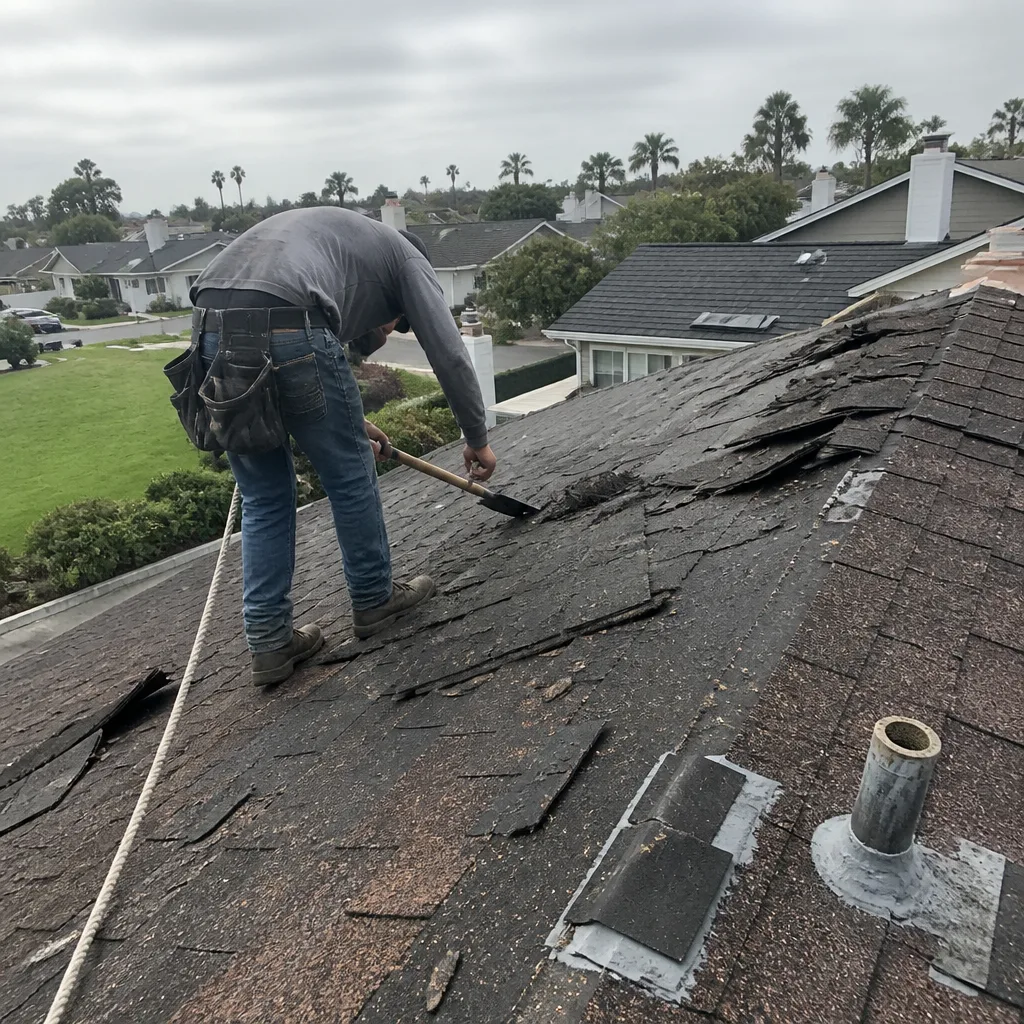 Before
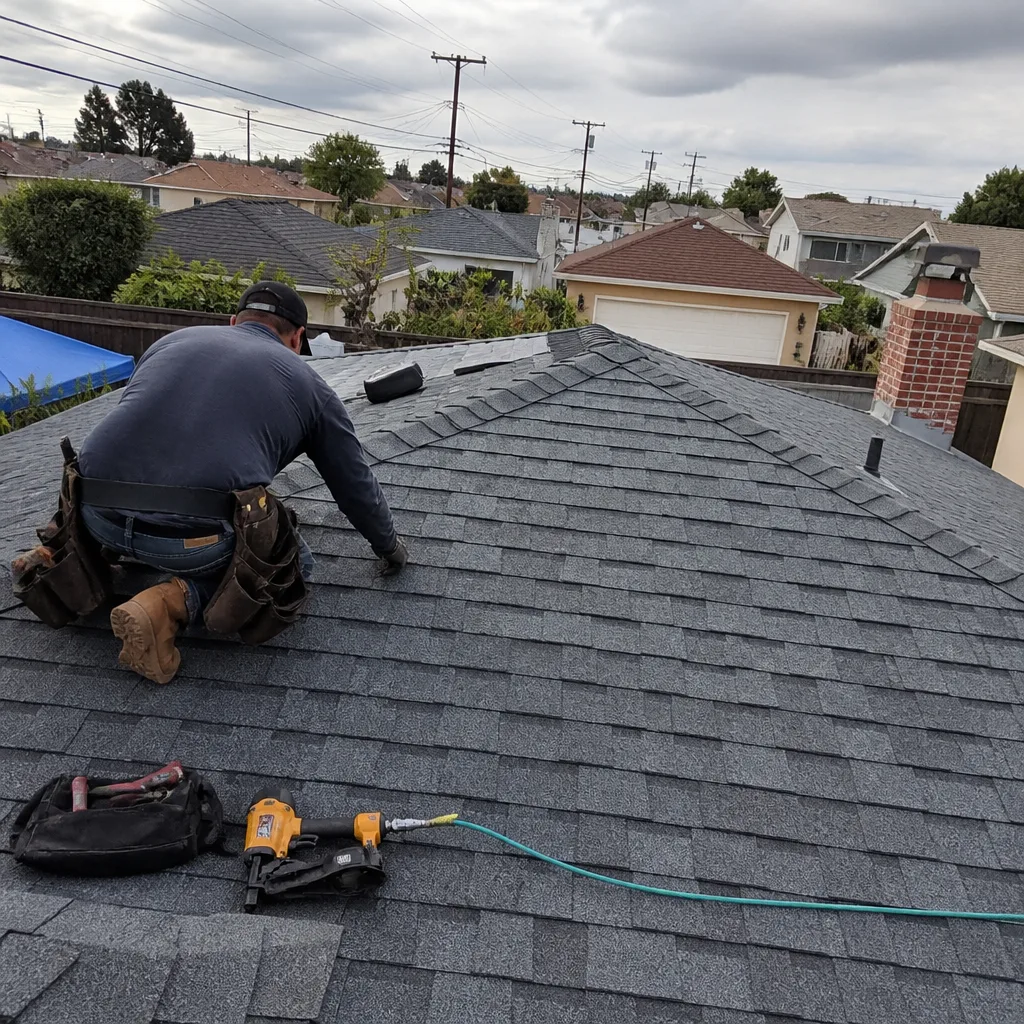 After
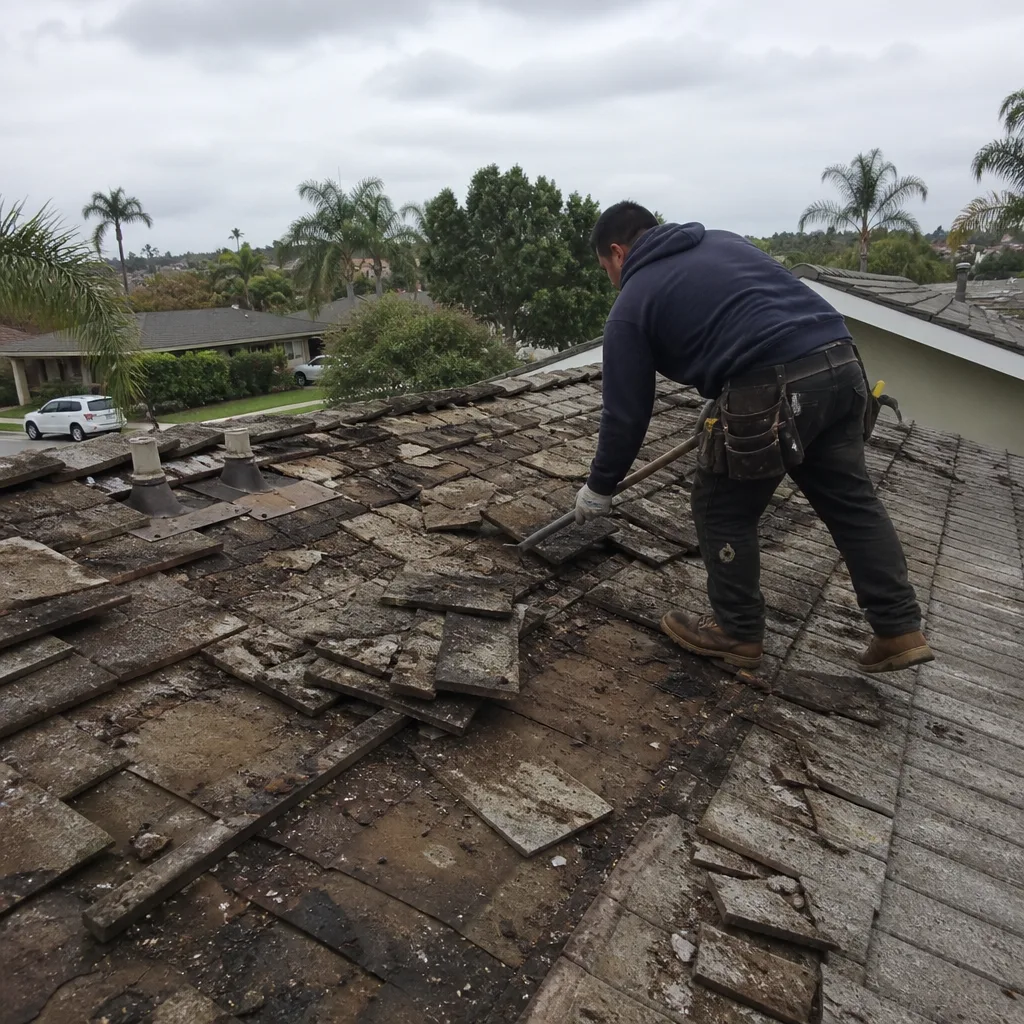 Before
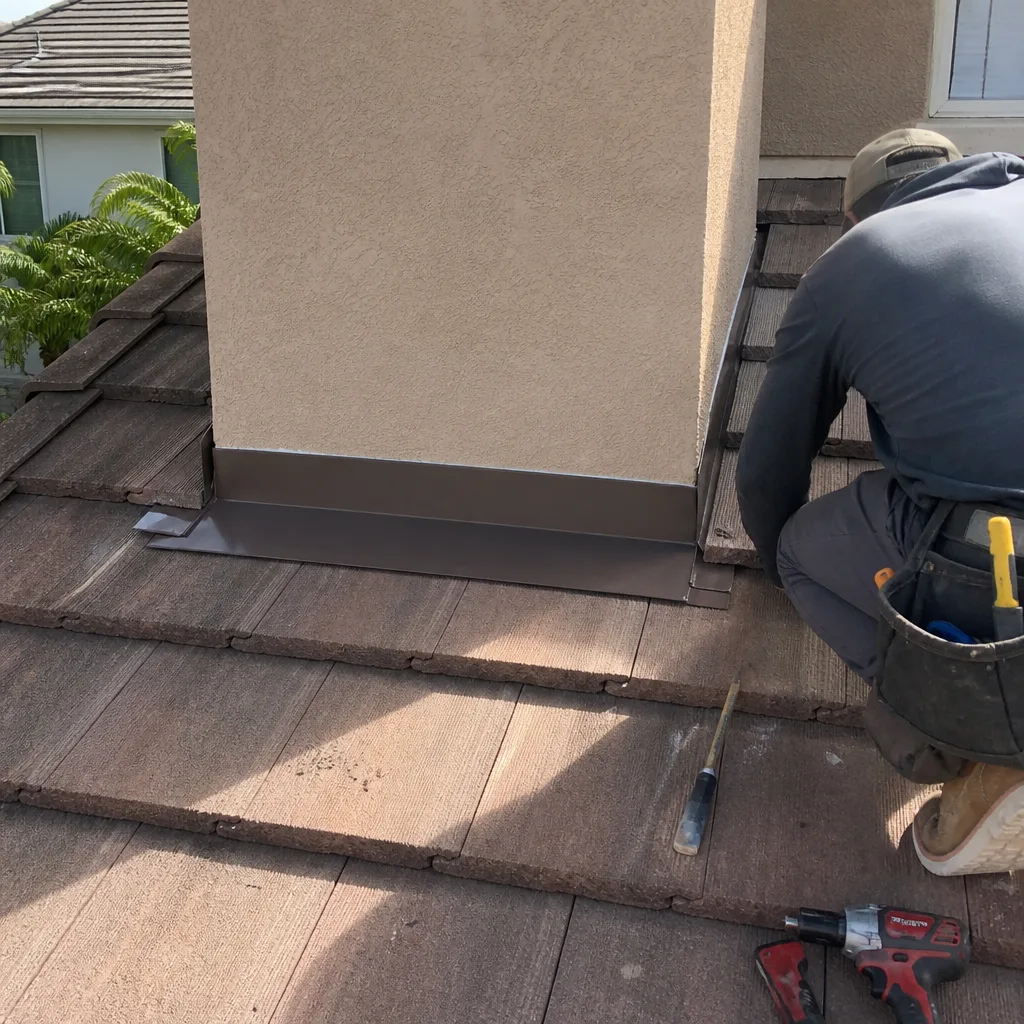 After
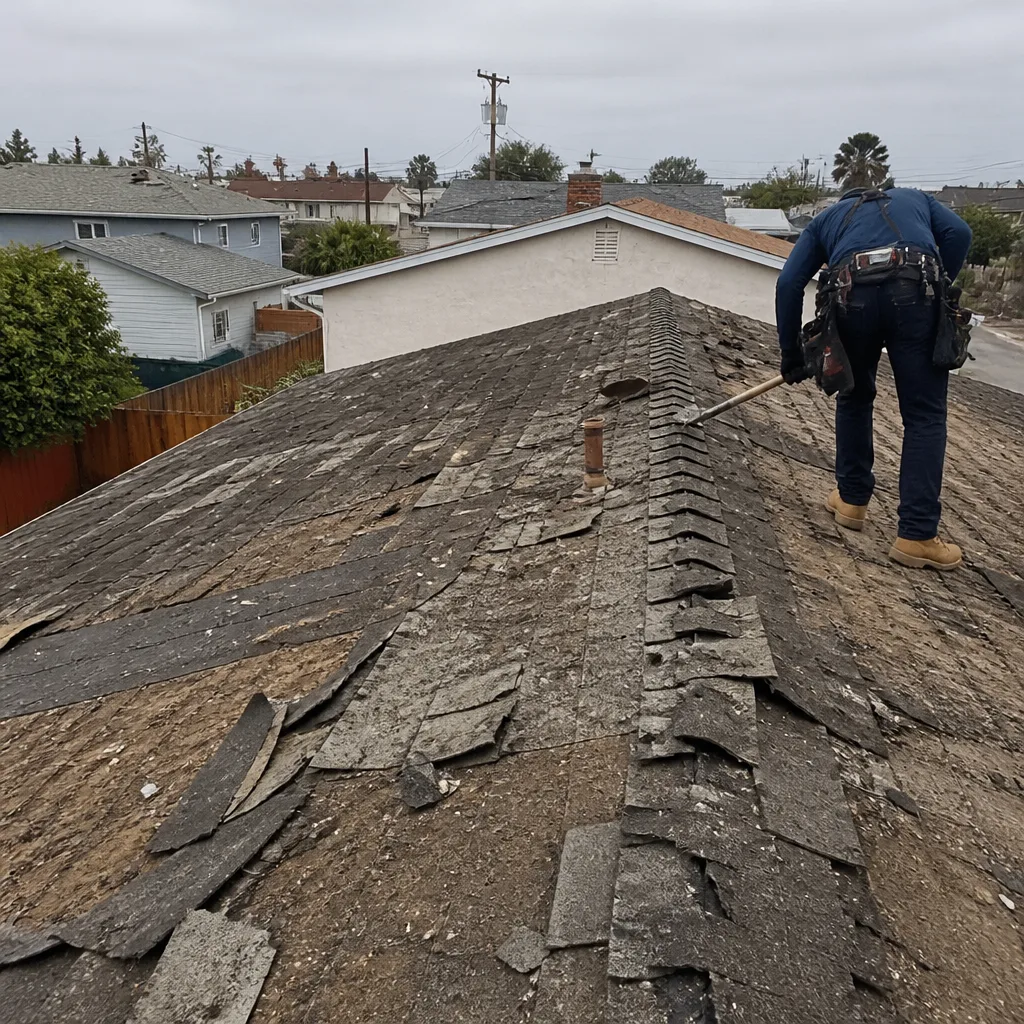 Before
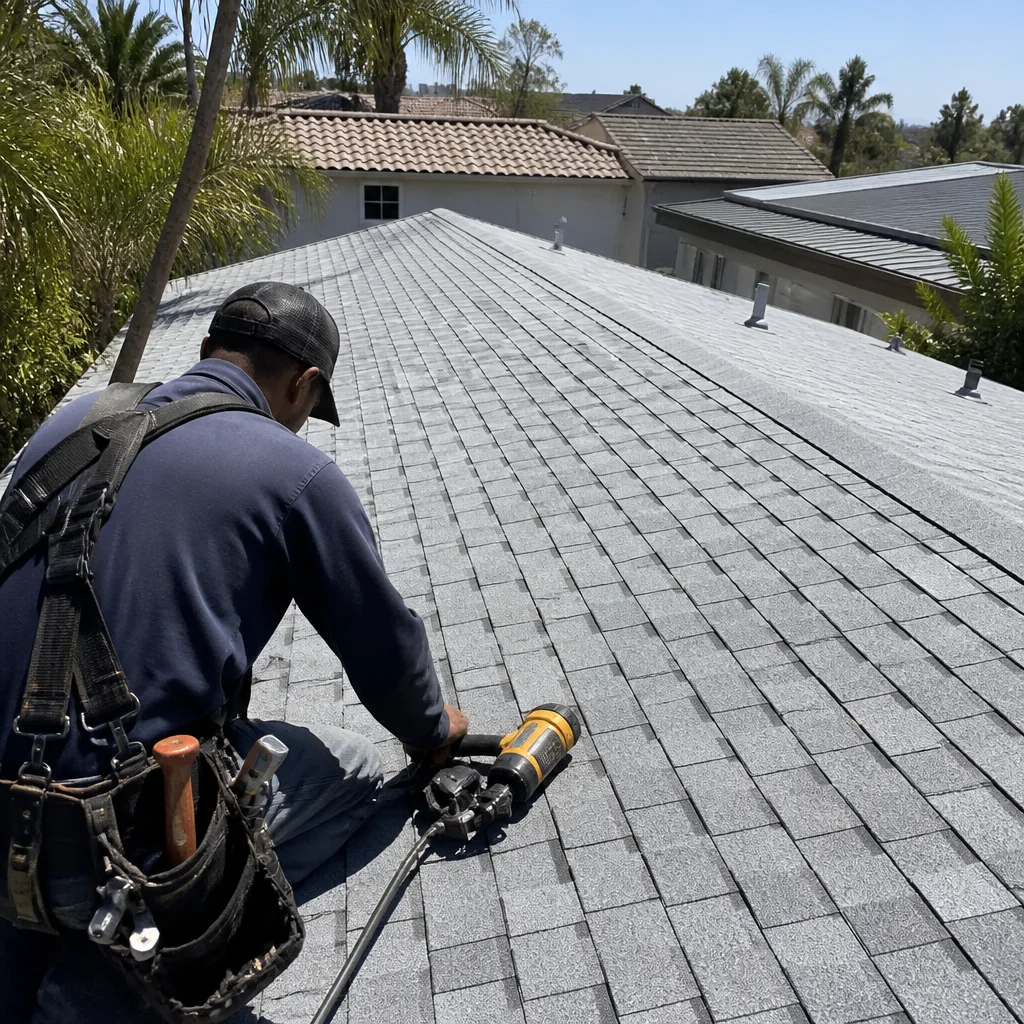 After