
Last updated October 31, 2026
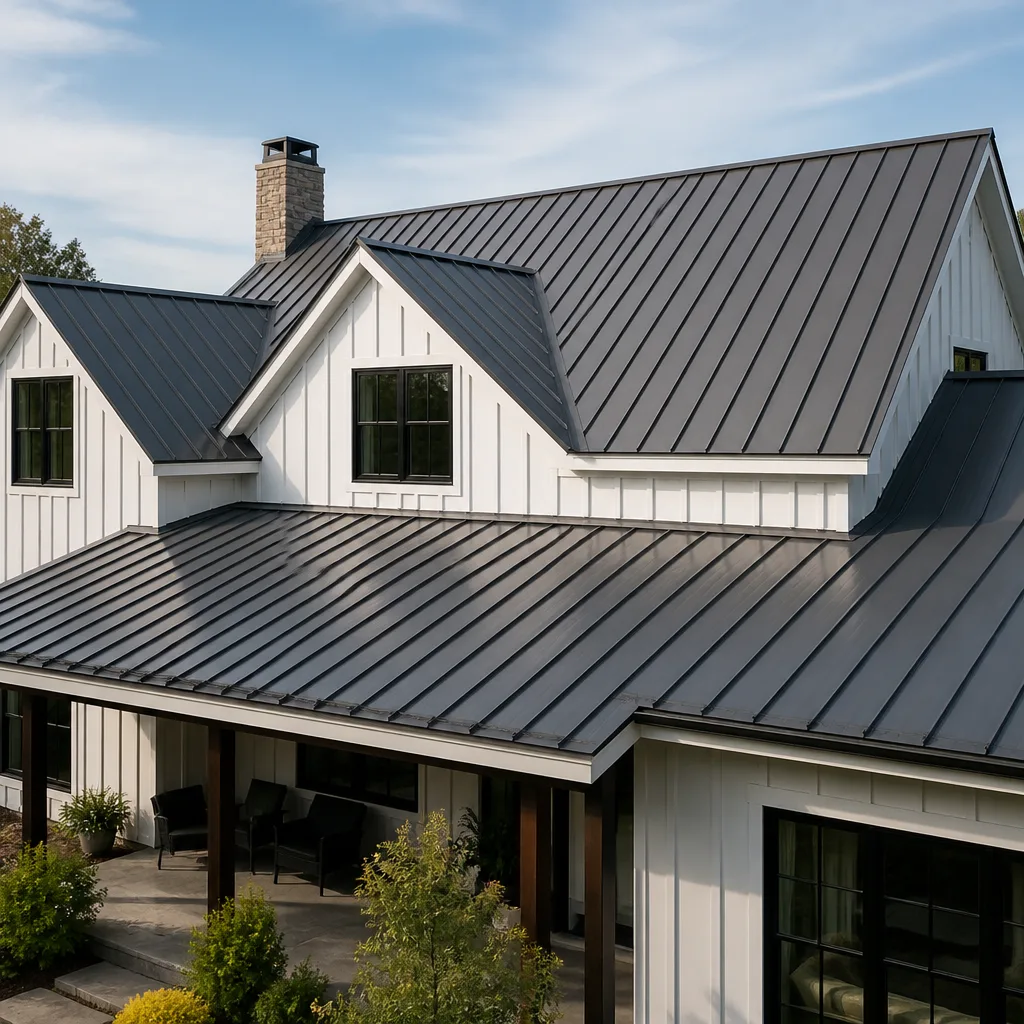 Metal roofing
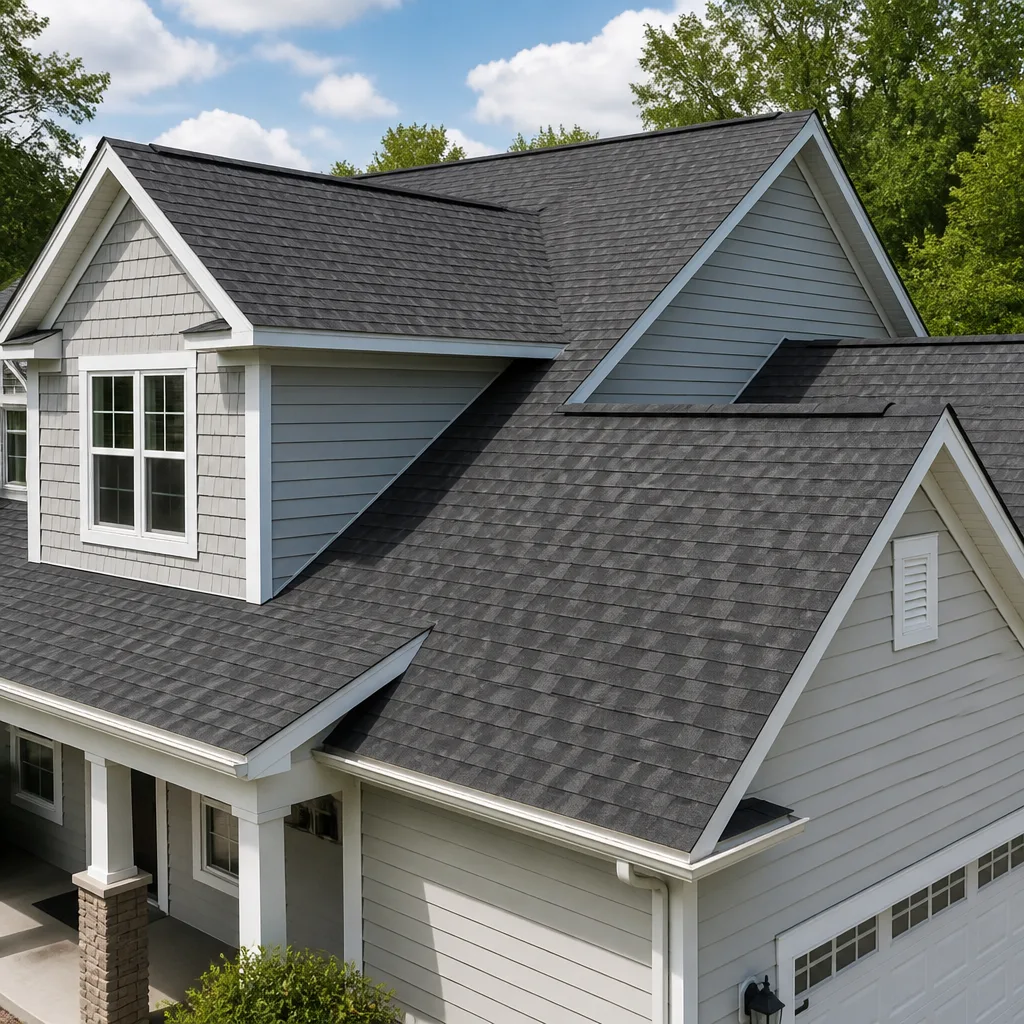 Architectural shingles
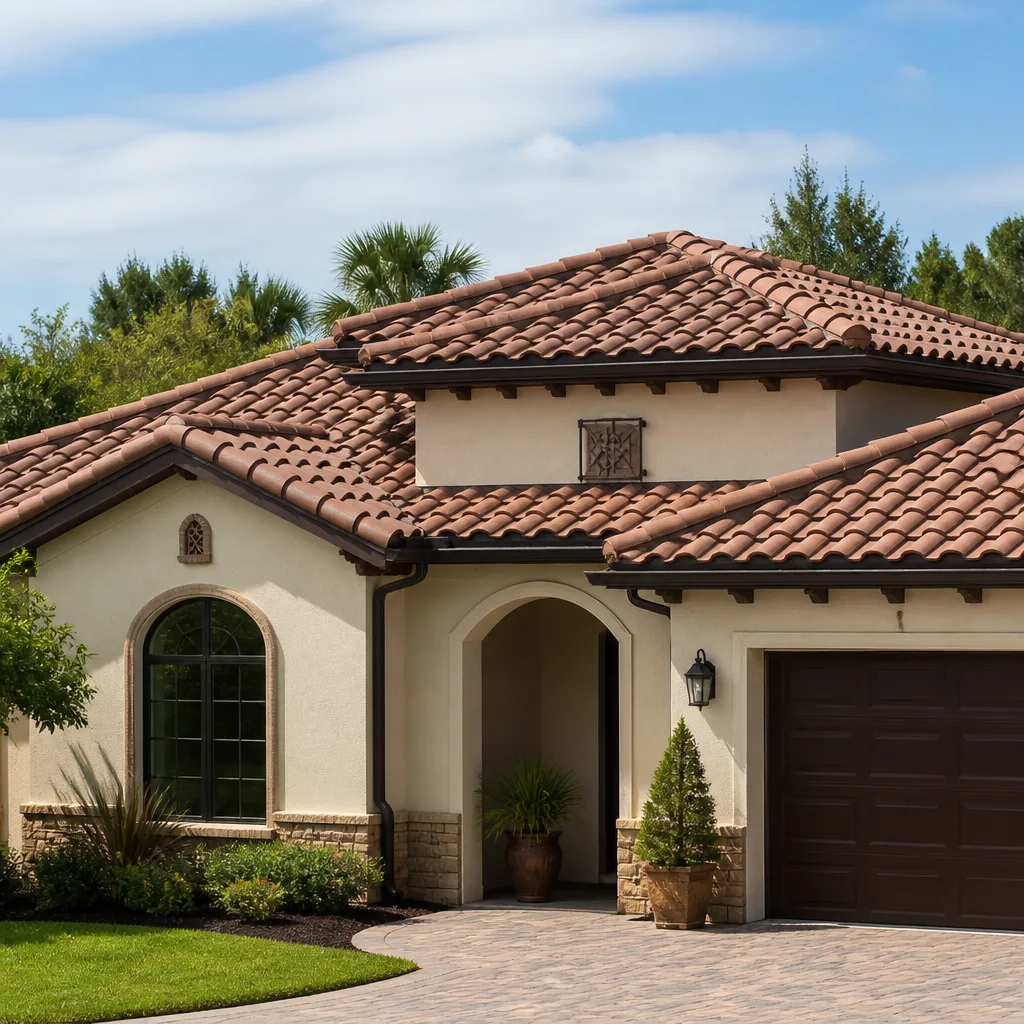 Tile roofing
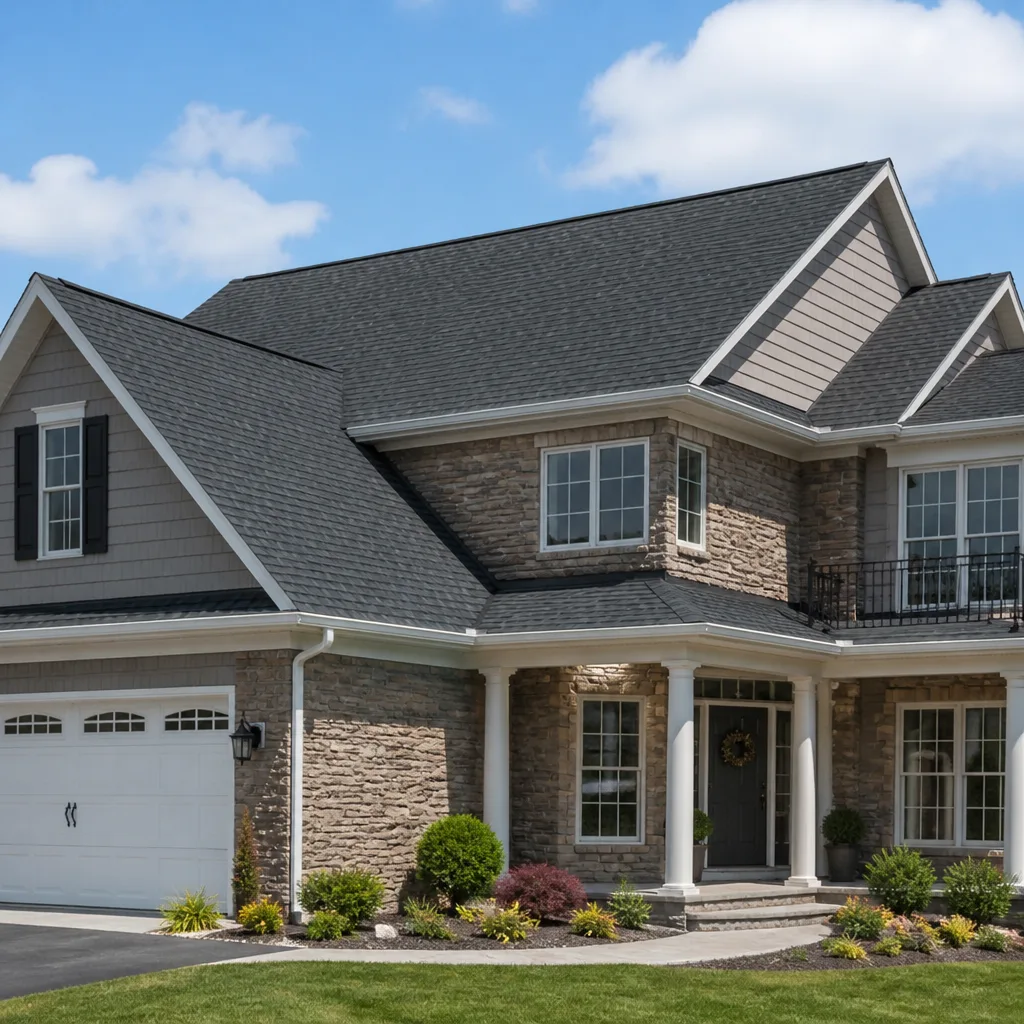 GAF
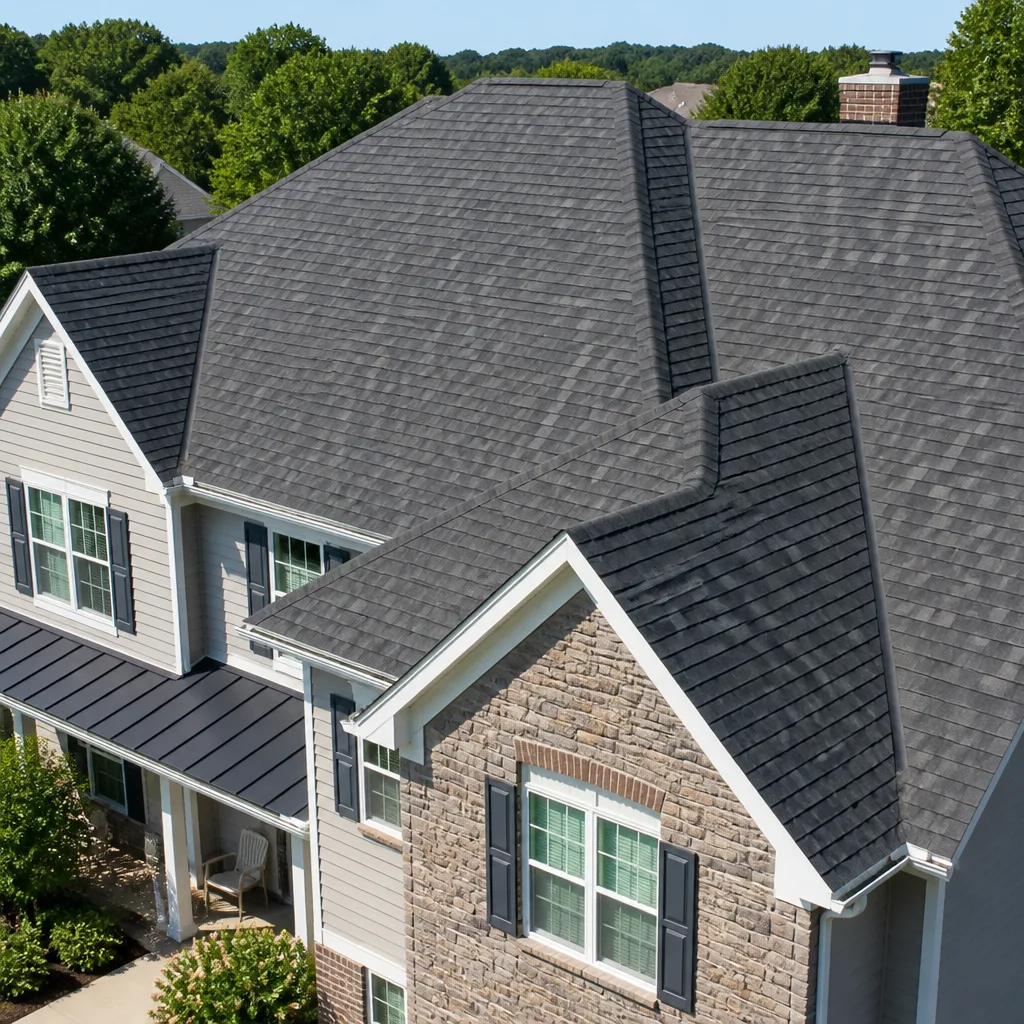 Owens Corning
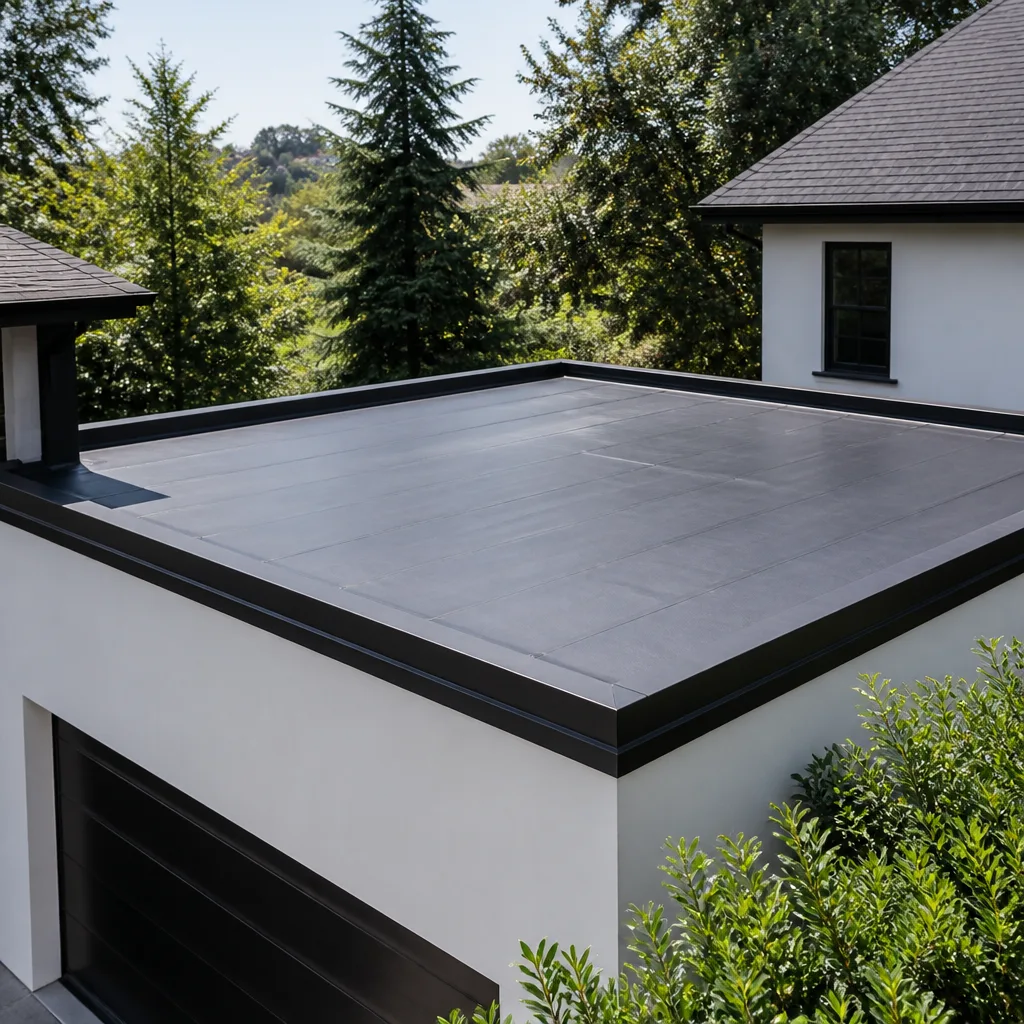 Flat & low-slope
Free roof inspection with deck photos before we talk money - GAF and Owens Corning certified installation
Roofing Cost Breakdown: The Huntington Beach Homeowner’s Reference for 2026
Most roofing cost guides will tell you to budget $4 to $6 per square foot and call it a day. In Huntington Beach, that number will fail you, and here’s why: roughly 60% of the city’s homes carry concrete tile, which costs about 40% more to install and dispose of than asphalt shingles. Add in coastal permit requirements, pitch multipliers on two-story beach-adjacent tract homes, and Orange County disposal fees, and the gap between a generic estimate and your actual bid can hit $8,000 to $15,000 before you’ve signed anything. This guide breaks down every variable that moves the number, so you can walk into contractor conversations with a budget that reflects Huntington Beach reality, not national averages.
Styles & brands we work with
Quick Answer
A full roof replacement in Huntington Beach in 2026 typically runs between $18,000 and $45,000 depending on material choice, roof pitch, and square footage. Concrete tile replacement on a standard 2,200 square foot tract home averages $28,000 to $38,000, while a comparable asphalt shingle roof lands between $14,000 and $20,000. Repairs cluster between $450 and $1,800 for most issues, and full inspections run $150 to $400.
Table of Contents
- What Materials Actually Cost in Huntington Beach
- Labor Rates and the Pitch Multiplier Nobody Explains
- Tear-Off, Disposal, and Why Concrete Tile Costs More to Remove
- Permit Fees, Inspection Costs, and Huntington Beach Code Requirements
- Staying in Tile vs. Switching to Asphalt or Metal
- What Warranties Actually Cost and How to Evaluate Financing
- A Line-Item Budget Template You Can Use
- Common Mistakes to Avoid
- When to Call a Professional
- Frequently Asked Questions
What Materials Actually Cost in Huntington Beach
Material choice is the single largest cost variable in any Huntington Beach roofing project, and the range is wider than most homeowners expect. The city’s housing stock skews heavily toward concrete tile, which carries a 40% to 60% price premium over asphalt shingles at the material level alone. Here’s what you’re looking at for 2026 pricing on the most common products we install across Huntington Beach:
- Standard asphalt shingles (3-tab or basic architectural): $120 to $180 per square (100 square feet) for materials. Total installed cost runs $4.50 to $6.00 per square foot.
- Premium architectural shingles (Class 4 impact-rated, including certain lines from Atlas, IKO, and others): $180 to $280 per square. Installed cost reaches $6.50 to $8.50 per square foot.
- Concrete tile (flat profile, standard weight): $400 to $650 per square for materials. Installed cost $10 to $14 per square foot.
- Concrete tile (barrel or high-profile, the dominant look in Huntington Beach tract developments): $550 to $850 per square. Installed cost $12 to $18 per square foot.
- Standing seam metal panel: $600 to $900 per square. Installed cost $14 to $20 per square foot. Still uncommon in HB residential work but growing in coastal neighborhoods like Seacliff and Edwards Hill.
Those numbers account for material only on the material lines and full installation on the installed lines. A contractor quoting you $5 per square foot on concrete tile is either quoting material only or planning to undercut on labor, underlayment, or both. This is where the multi-brand portfolio matters: a Huntington Beach Roofers home consultation gives you a direct comparison between a premium asphalt shingle from Atlas or IKO and a mid-tier concrete tile from Boral, with actual numbers for your roof’s square footage and pitch, rather than a single-brand pitch with no alternative.
Labor Rates and the Pitch Multiplier Nobody Explains
Roofing labor in Huntington Beach runs $80 to $140 per hour per crew member in 2026, with most residential jobs using crews of four to six. But the hourly rate is only half the story. The multiplier that quietly changes your quote is roof pitch, and it’s the reason two neighbors with identical floor plans can pay $3,000 apart on labor.
Most roof measurements use “plan area”, the flat footprint of your house. But your roof is not flat, and steeper roofs require more material and substantially more labor time. Here’s how the multiplier works:
- Pitch measured as rise over run: A 4:12 pitch roof rises 4 inches for every 12 inches of horizontal run. A 6:12 rises 6 inches for every 12 inches. A 9:12 rises 9 inches.
- Pitch factor applied to plan area: A 4:12 pitch carries a 1.054 pitch factor. A 6:12 carries 1.118. A 9:12 carries 1.250. That means a 2,000 square foot plan area on a 9:12 roof is actually 2,500 square feet of roofing surface.
- Labor rate escalates with steepness: Crews work slower on steep pitches, require fall protection rigging, and spend more time staging materials. Contractors typically add 10% to 25% to labor for pitches above 6:12, and some add more for two-story homes where material delivery requires lift equipment.
In Huntington Beach, this hits specific neighborhoods harder. The two-story tract developments in southeast Huntington Beach, especially those built in the 1970s and 1980s with barrel tile roofs on 7:12 to 9:12 pitches, routinely see labor totals $3,000 to $6,000 higher than single-story homes of the same square footage in the northwest part of the city. If your home is two-story with a steep pitch, ask your contractor to show the pitch factor and labor upcharge as a line item so you understand what you’re paying for.
Tear-Off, Disposal, and Why Concrete Tile Costs More to Remove
Removal of an existing roof is not a single price. What’s on your roof right now determines what it costs to get it off and to a landfill, and in Huntington Beach, the dominant existing material is concrete tile, which is heavy, bulky, and expensive to haul.
Here’s the breakdown for 2026:
- Asphalt shingle tear-off and disposal: $80 to $120 per square. Shingles are relatively light and compact, so dumpster loads move efficiently.
- Concrete tile tear-off and disposal: $150 to $250 per square. Tile is roughly 850 to 1,100 pounds per square, three to four times heavier than shingles. Crews spend more time handling, and Orange County disposal facilities charge by weight for construction debris, which pushes landfill fees up substantially.
- Wood shake tear-off (still present in some older HB neighborhoods): $120 to $180 per square, plus additional sheathing prep because shake installs often leave uneven decking.
On a 2,200 square foot home with a 6:12 pitch (which calculates to roughly 2,460 square feet of actual roof surface, or 24.6 squares), concrete tile tear-off adds $3,700 to $6,150 in labor and disposal versus asphalt shingle removal. That’s before you’ve installed a single new shingle. When a Huntington Beach homeowner asks why their concrete tile replacement bid is $30,000+, the tear-off number is the answer they rarely see itemized. We itemize it, because if you’re staying in tile you should know the disposal premium before you compare quotes against lower-cost material options.
Permit Fees, Inspection Costs, and Huntington Beach Code Requirements
Huntington Beach requires a building permit for any roof replacement that involves structural changes, sheathing replacement beyond minor repair, or a material type change. Minor repairs under 100 square feet typically fall under the permit threshold, but any full replacement will require a permit, plan review, and at least one city inspection. For a deeper look at what to expect, see our Roofing Permits, Codes & Inspections in CA: What You Need to Know.
What to budget for 2026:
- Building permit and plan review: $400 to $800 depending on project valuation. Huntington Beach calculates fees on a valuation schedule, not a flat rate.
- City inspection fees: Typically included in the permit fee for the first inspection; re-inspections run $150 to $250 each if the initial inspection fails.
- SB 326 inspection requirements (HOAs only): If your Huntington Beach home is in a community association with three or more attached units, SB 326 requires periodic structural roof inspections by a licensed engineer. These run $500 to $1,500 depending on roof size and complexity, and are separate from standard city permits.
Some Huntington Beach neighborhoods also fall within the coastal zone, which can trigger additional review for exterior changes visible from the street. If you’re replacing a distinctive roof style with something different (for example, switching from barrel tile to standing seam metal), the city’s design review process may add 2 to 6 weeks and $300 to $600 in fees. Your contractor should know whether your specific address falls in the coastal overlay zone; Roof Replacement in Huntington Beach involving material changes from tile to composite or metal requires this review more often than like-for-like replacements.
Staying in Tile vs. Switching to Asphalt or Metal
The most consequential decision in a Huntington Beach roof replacement is whether to stay in concrete tile or switch to a lighter material. This is not purely a cost decision, and it’s not purely aesthetic, because the structural capacity of your roof framing may limit what you can install without upgrading the deck.
Concrete tile weighs 850 to 1,100 pounds per square. Asphalt shingles weigh 225 to 350 pounds per square. Standing seam metal comes in at 100 to 150 pounds per square. If your Huntington Beach home was built for tile, the framing is overspec’d, and switching to a lighter material is structurally safe with no changes. If your home was built for shingles, adding tile requires an engineering review and potentially costly structural upgrades, which is why you rarely see tile retrofits on 1960s tract homes in northwest HB that were originally shingle-roofed.
The cost comparison on a 2,200 square foot home with a 6:12 pitch:
- Stay in concrete tile (like-for-like barrel tile replacement): $28,000 to $38,000. This is the most expensive option because you’re paying for expensive material, expensive tear-off of the old tile, and skilled tile installation labor.
- Switch to Class 4 impact-rated asphalt shingle (e.g., premium lines from Atlas or IKO): $14,000 to $20,000. You save on material, save on tear-off disposal, and the lighter material opens up designs that would have required structural review for tile.
- Switch to standing seam metal: $30,000 to $45,000. More expensive than shingles but with a 40+ year service life and a weight profile that works on almost any Huntington Beach home. Metal is still uncommon enough in HB that you’ll want a contractor who actually installs it, not one learning on your roof.
The hidden cost to switching materials is underlayment and edge detail. Tile roofs in Huntington Beach typically use two layers of underlayment with battens; shingle roofs use a single synthetic underlayment. The underlayment spec changes with material, and that’s a line item that should be explicitly listed in any proposal for a material switch. Our position is straightforward: match the material to the roof, not the other way around. Some Huntington Beach homes should stay in tile because the architectural character and HOA standards require it. Some should switch to shingle because the homeowners want a material that’s easier to repair and half the cost to replace in 30 years. We’ll give you the numbers for both paths and let the roof’s needs, not inventory, drive the recommendation.
What Warranties Actually Cost and How to Evaluate Financing
Roofing warranties are a source of confusion, partly because there are two warranty types stacked on top of each other, and partly because “lifetime warranty” means different things depending on the manufacturer and the contractor’s certification tier.
Here’s how it works. The manufacturer warranty covers defects in the material itself. The contractor workmanship warranty covers installation errors. In most cases, the manufacturer warranty is registered by the installing contractor, and the length and coverage depend on the contractor’s certification level with that manufacturer. Contractors pay real money annually and per job to maintain “certified installer” or “master installer” status with manufacturers. Those costs run $500 to $2,500 per year per manufacturer in certification fees, plus continued education requirements, plus the higher overhead of using that manufacturer’s specified accessory products on every job. That’s why a proposal with a 50-year manufacturer warranty from a certified installer may cost $1,500 to $3,000 more than a proposal from a non-certified contractor using the same shingle. The material is identical; what you’re paying for is the warranty registration and the accountability that comes with it. Whether that premium is worth it depends on how long you plan to own the home and how much you value transferable coverage for resale.
Financing for a project in the $20,000 to $40,000 range deserves the same scrutiny as the material choice. Contractor-arranged financing through national home improvement lenders typically carries rates between 8% and 15% in 2026, with terms of 5 to 15 years. These are unsecured or lien-light loans, and the convenience is real: one application, fast approval, the contractor gets paid in full at completion. The trade-off is that the rate is usually higher than a home equity line of credit (HELOC), which in 2026 is running 7% to 10% but requires equity, an appraisal, and a longer closing process. For a $25,000 roof with a 10-year term, the difference between 9% and 13% APR is roughly $5,800 in total interest. If you have the equity and the timeline, a HELOC is usually cheaper. If you need the roof done before winter storm season and have limited cash, contractor financing gets it done faster. Neither option is wrong; the mistake is not running both numbers before signing.
A Line-Item Budget Template You Can Use
Most roofing proposals in Huntington Beach arrive as a single number with maybe three or four sub-totals. That’s not detailed enough to compare bids accurately, and it’s not detailed enough to protect you from change orders later. Here’s a line-item breakdown for a typical 2,200 square foot Huntington Beach home with a 6:12 pitch (2,460 square feet of roof surface, or 24.6 squares), replacing concrete tile with Class 4 asphalt shingle:
- Tear-off and disposal of existing concrete tile: $4,900 to $6,150
- Deck inspection and minor sheathing repair (2 sheets assumed): $300 to $800
- Synthetic underlayment and barrier installation: $1,200 to $1,800
- Class 4 asphalt shingle material (premium line from Atlas or IKO): $4,400 to $6,900
- Flashing, ridge vents, and edge metal: $900 to $1,600
- Labor (all installation, 6:12 pitch, one-story): $5,000 to $7,500
- City permit and plan review: $500 to $700
- Dumpster and freight fees: $800 to $1,200
- Total estimated project cost: $18,000 to $26,650
That’s a wide range, and the width is intentional: the exact number depends on which shingle line you select, whether your deck needs more than minor repairs, and whether the home is one or two stories. The point of this template is to set expectations. If you receive a bid of $12,000 for this scope, something is being omitted: the permit, the disposal fees, or the quality of material. If you receive a bid of $35,000, you should see a line for premium material or a steep-pitch upcharge. Roof Inspection in Huntington Beach gives you the condition data first, so replacement scope follows from what the roof actually needs, not from a sales target.
Common Mistakes to Avoid
- Comparing bids without matching scope. Two Huntington Beach contractors quoting “roof replacement” may be quoting different underlayment specs, different disposal handling, or one may include the permit and the other not. Line-item comparisons only.
- Budgeting by plan area instead of roof surface area. A 2,000 square foot house on a 9:12 pitch has 2,500 square feet of roof. If you budget off the smaller number, you’ll be underfunded by 25% before you start.
- Ignoring disposal costs on concrete tile replacement. Orange County disposal fees are weight-based, and tile is the heaviest common roofing material. This line item alone can move your bid by $4,000 to $7,000.
- Assuming a “lifetime warranty” covers workmanship. Manufacturer warranties cover material defects, not installation errors. Workmanship warranty terms come from the contractor, not the shingle brand, and they vary widely.
- Skipping the standalone inspection before replacement. Some roofs in Huntington Beach have ten years of life left and only need Roof Repair in Huntington Beach, not a $25,000 replacement. An inspection-first approach protects you from spending prematurely.
- Choosing a contractor based on lowest price. In the Huntington Beach market, low bidders are often omitting permit fees, using thinner underlayment, or staffing less experienced crews. The savings disappear when the work fails inspection or the leak returns.
When to Call a Professional
Some roofing situations are simple enough to assess yourself, but several Huntington Beach-specific conditions warrant a professional inspection immediately. If you see granules accumulating in your gutters on a shingle roof, that’s normal aging; if you see cracked or displaced concrete tiles after a Santa Ana wind event, that’s a repair need before the next rain. Water staining on ceilings during winter storm fronts is an active leak and needs diagnosis before it tracks into insulation and drywall. If your home is in a community association subject to SB 326, you’ll need a licensed inspection regardless. If you’re approaching the 25-year mark on a shingle roof or the 40-year mark on tile, a preemptive inspection is cheaper than an emergency replacement. Review our Roofing Warning Signs: A Huntington Beach Homeowner’s Reference Guide to know what to watch for. Huntington Beach Roofers offers free estimates in Huntington Beach, call (833) 467-4901, and we’re happy to inspect before you commit to anything.
Frequently Asked Questions
A full roof replacement in Huntington Beach typically costs between $18,000 and $45,000 depending on material, pitch, and square footage. Concrete tile replacement on a standard tract home runs $28,000 to $38,000, while asphalt shingle replacement on the same footprint runs $14,000 to $20,000. Call (833) 467-4901 for an exact quote for your roof’s specific measurements.
The dominant roofing material in Huntington Beach is concrete tile, which costs roughly 40% more than asphalt shingles at the material level and substantially more to tear off and dispose of because Orange County disposal fees are weight-based. Add coastal zone permit review requirements on some homes, and Huntington Beach projects routinely exceed national pricing guides. Building your budget off local line items, not national averages, is the only way to avoid a $10,000 surprise.
Yes, and it’s one of the most common cost-saving moves we recommend for Huntington Beach homeowners when HOA rules and architectural compatibility allow it. Tile-to-shingle conversion eliminates the weight premium, reduces tear-off disposal costs, and cuts total project cost by roughly 40% to 50%. The underlayment spec changes with the material, so make sure your proposal line-items the new underlayment system separately.
Most asphalt shingle replacements in Huntington Beach complete in 2 to 4 days after permit approval. Concrete tile replacements run 5 to 8 days, and material-switch projects in the coastal zone can add 2 to 6 weeks for design review. Your contractor should give you a timeline that includes permit lead time, not just installation days. Call (833) 467-4901 for a schedule specific to your roof.
Not necessarily. A longer warranty typically reflects the contractor’s certification tier with the manufacturer, which costs the contractor money to maintain and results in a higher proposal price, not a materially different shingle. The shingle itself is often the same product regardless of warranty length; what changes is the registration and the accountability. Ask your contractor to explain what the certification upward adds in cost and whether the coverage transfers if you sell.
Yes, full roof replacements in Huntington Beach require a building permit and at least one city inspection. Minor repairs under 100 square feet typically fall below the permit threshold. If your home is in the coastal zone and you’re changing the visible roof material, additional design review may apply. Your contractor should handle permit acquisition and inspection scheduling; if a bid doesn’t include a permit line, ask why.
The Bottom Line
Roofing costs in Huntington Beach don’t follow national formulas, and the sooner you budget from local reality, the better your decision will hold up. Concrete tile carries a real premium at installation and at disposal. Roof pitch quietly multiplies labor. Permit and code requirements vary by neighborhood and material choice. The warranty you’re paying for may be a certification premium, not a better shingle. And the financing structure you choose can move your real cost by thousands of dollars. For more guides & resources, visit our blog. If you want a contractor who will show you line items, explain the pitch multiplier, and give you real options across seven brands rather than one take-it-or-leave-it product, we’d rather earn the work honestly. Seven brands. One contractor. From the first inspection to the final shingle.
Written by the team at Huntington Beach Roofers, serving Huntington Beach since 2018.
See the difference
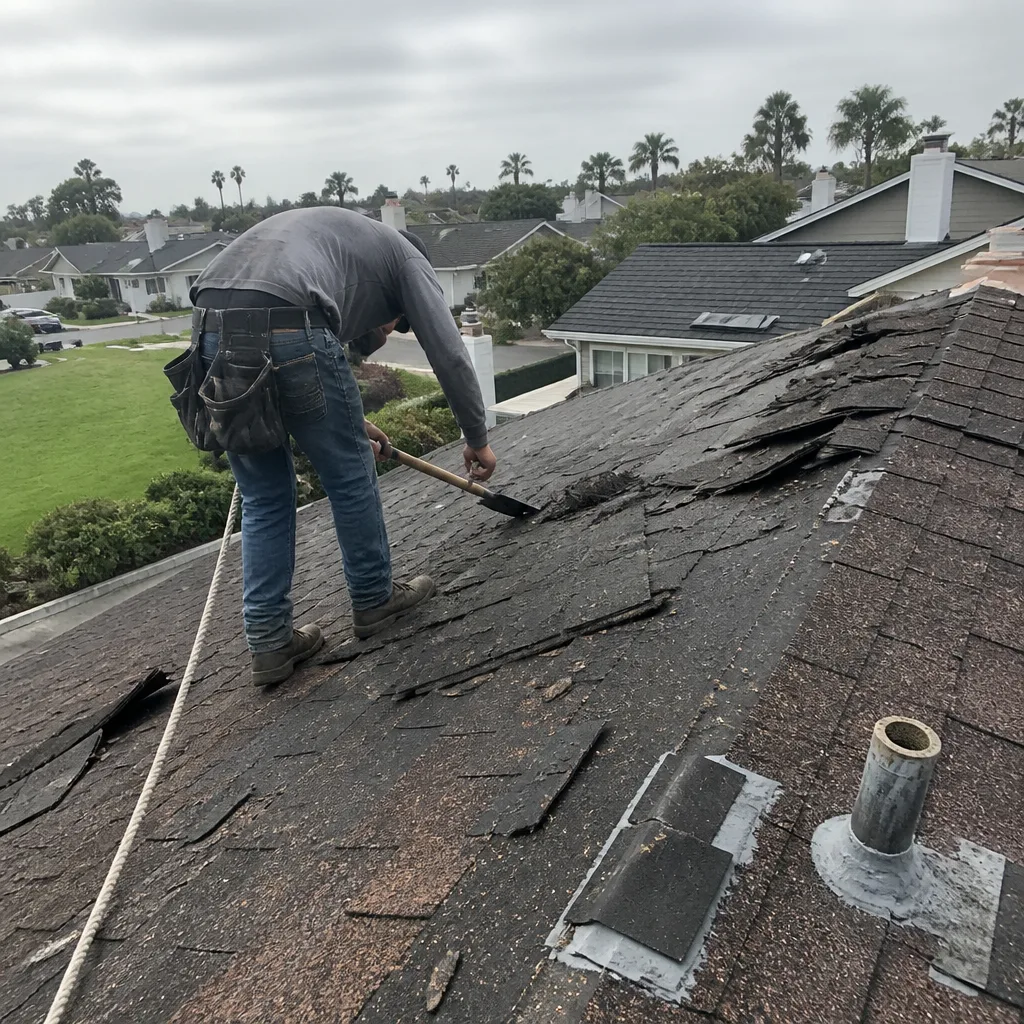 Before
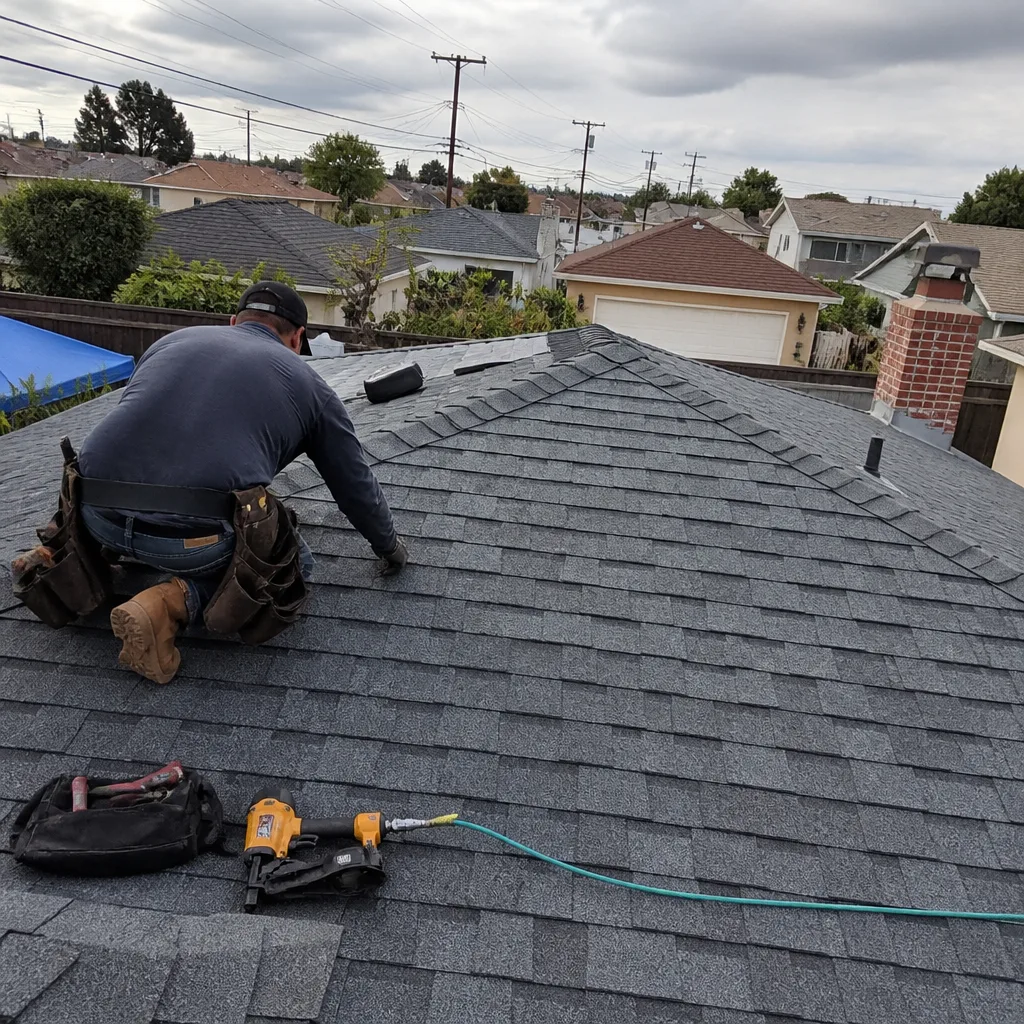 After
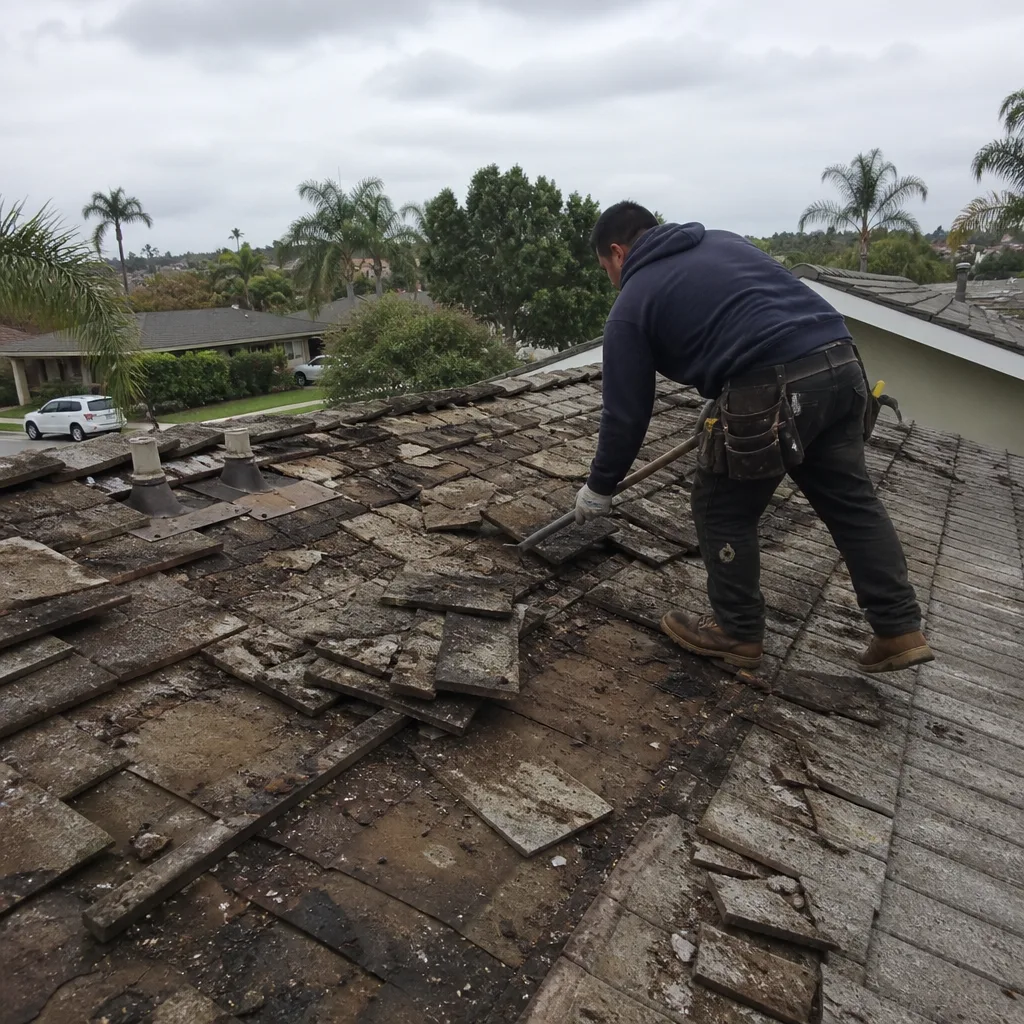 Before
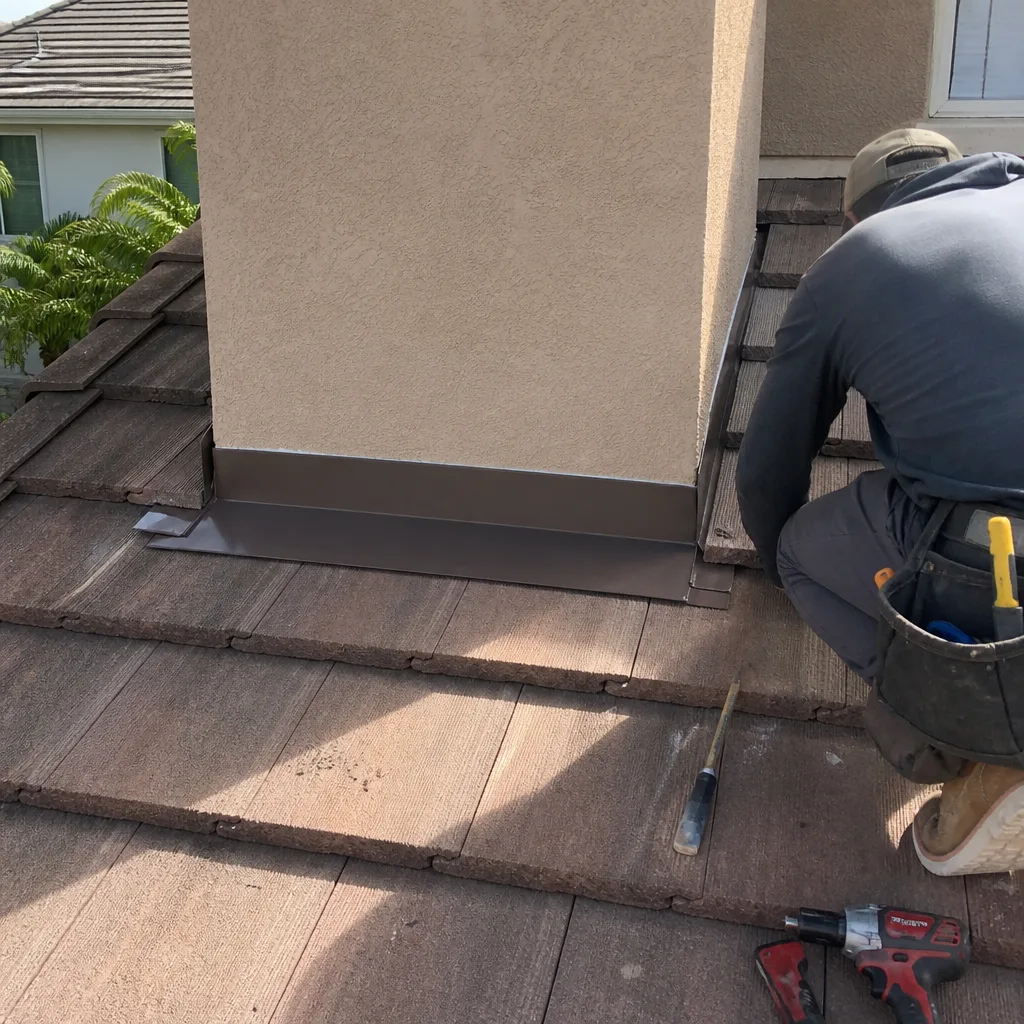 After
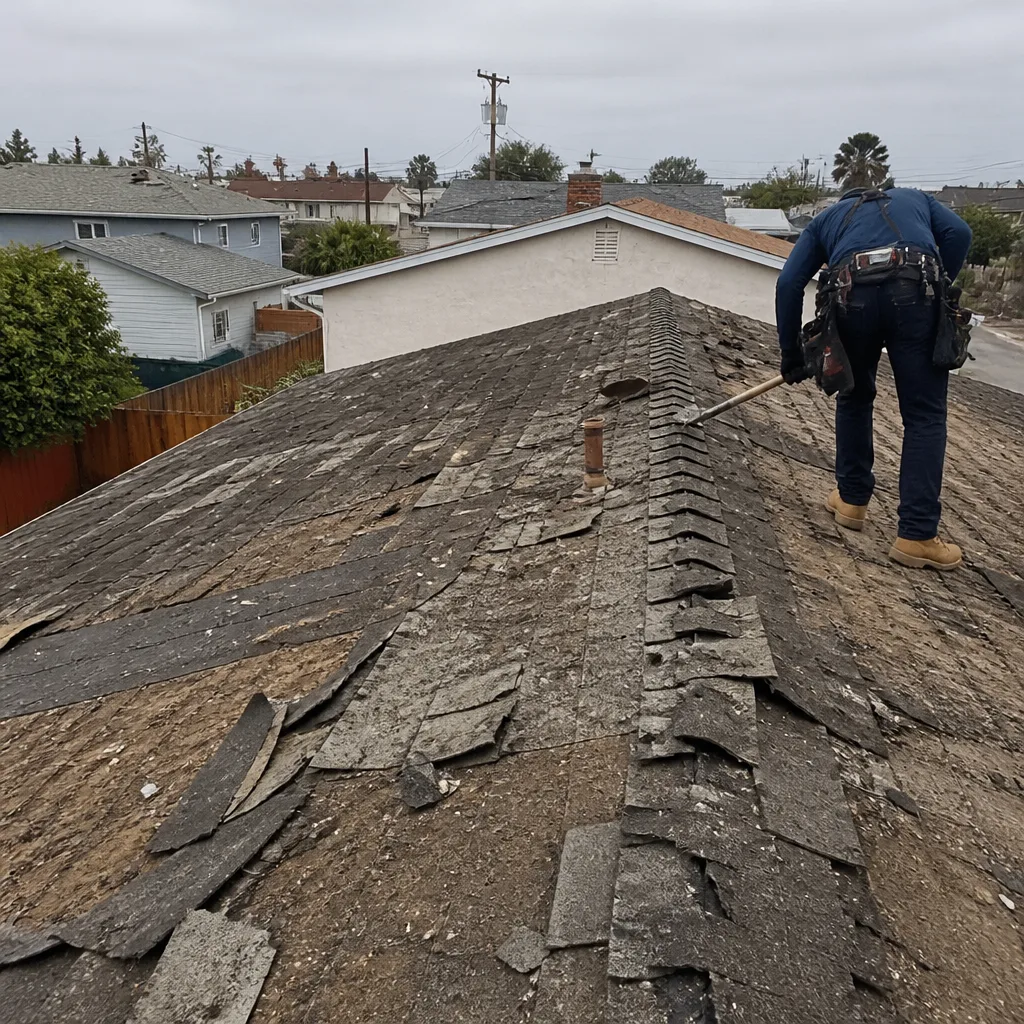 Before
 After